

Washington state AG sues Kalshi for allegedly running illegal gambling operations
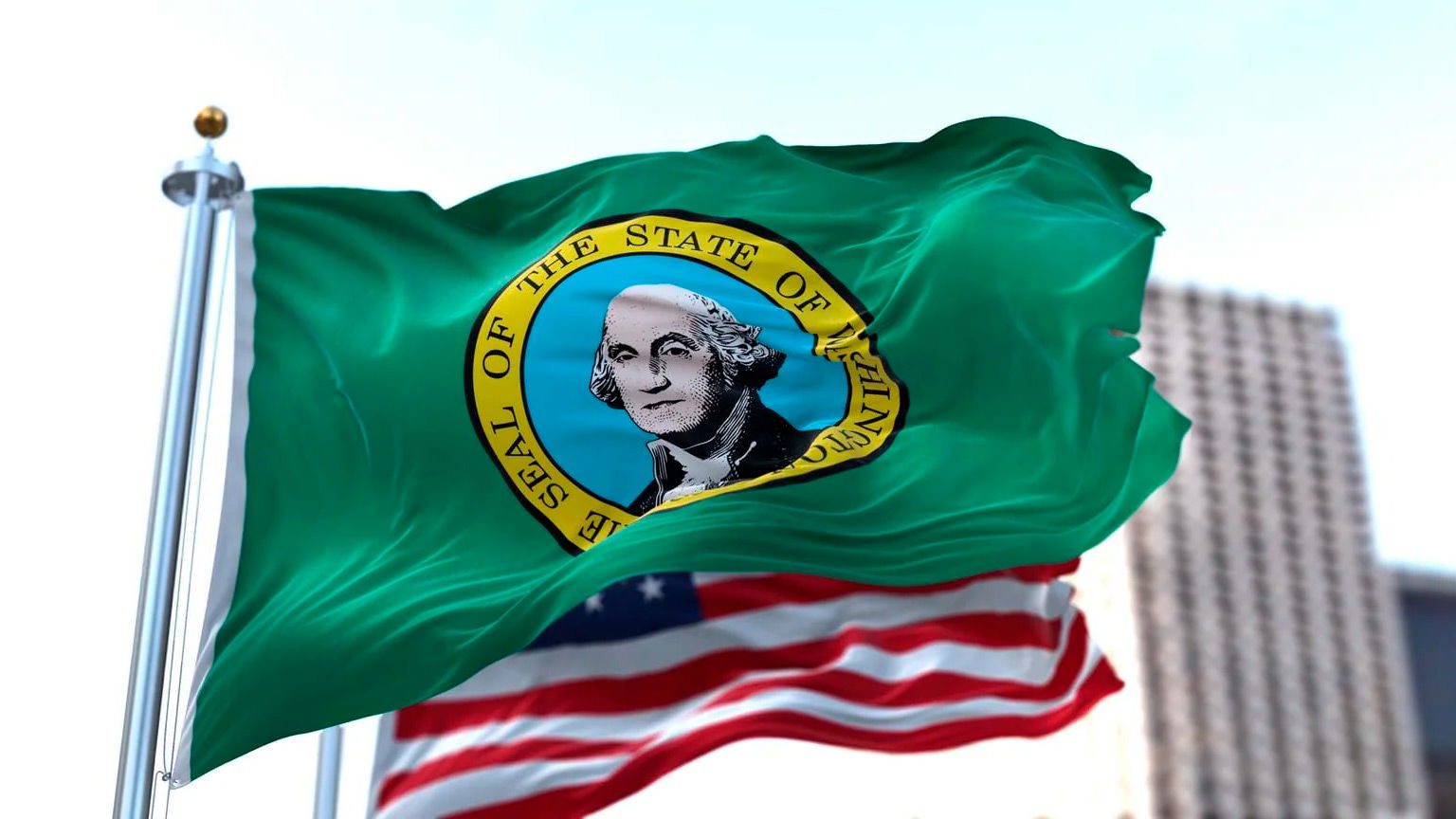
Washington Attorney General Nick Brown has filed a lawsuit against prediction market platform Kalshi, alleging the company operates an illegal online gambling service in violation of state law.
The civil suit, filed in King County Superior Court, seeks to shut down Kalshi’s operations in Washington, recover losses for residents, and impose civil penalties, according to the complaint.
Brown said Kalshi’s claims to be a “prediction market” mask what is effectively a gambling operation, accusing the company of trying to “financialize everything.”
“Kalshi really is just a bookie with a fancy name and a huge amount of venture capital behind them,” Brown said. “They publicly pat themselves on the back for being sneaky and getting around Washington’s gambling laws, but it’s worse than being sneaky. It’s a lie, and it’s illegal.”
The lawsuit alleges Kalshi offers sportsbook-style products, including spread bets, over/under wagers, and parlays, despite online gambling being broadly illegal in Washington outside of in-person betting at tribal casinos.
State lawyers pointed to Kalshi’s own marketing, including claims users could “bet on the NFL in all 50 states” and “bet on everything,” as well as an advertisement stating customers had “found a way to bet on the NFL even though we live in Washington.”
Kalshi, founded in 2018, describes itself as “an exchange dedicated to trading on the outcome of future events” and is regulated by the Commodity Futures Trading Commission as a prediction market. The company argues that federal oversight preempts state gambling laws.
The complaint says Kalshi allows users to “trade” — or “bet,” in the state’s view — on a wide range of outcomes, including sporting events, elections, weather, public policy decisions, and cultural milestones. It also cites offerings such as “mention markets,” where users wager on specific words during broadcasts, as noted in the complaint.
Brown said the platform enables wagering on sensitive topics, raising broader societal concerns.
“Do we want everything to be gambling?” he said. “Do we want to be an America that goes from worrying about the human cost of war to betting on the over/unders of that war?”
The lawsuit also challenges Kalshi’s business model, alleging the company uses an affiliate, Kalshi Trading LLC, to participate in wagers.
“In this way, Kalshi plays a role similar to that of the house in a traditional gambling model,” the complaint states.
Elisabeth Diana, the company’s head of communications, disputed Brown’s characterization of the company’s offerings and said the AG filed the suit before a planned meeting with the company.
“If AG Brown hadn’t sued us ahead of our scheduled meeting with him, he would have known better than to say we offer war markets. We don’t,” Diana said. She added that “as other courts have recognized, Kalshi is a regulated, nationwide exchange for real-world events, and it is subject to exclusive federal jurisdiction. It’s very different from what state-regulated sportsbooks and casinos offer their customers. We are confident in our legal arguments.”
The case is part of a broader wave of scrutiny. Arizona has filed criminal charges against Kalshi, while Nevada has also sued the company. Kalshi is facing more than 20 civil lawsuits, according to the complaint.
The rise of prediction markets has drawn backing from the Trump administration. Mike Selig, chair of the CFTC, has described such platforms as “these exciting products” and warned: “To those who seek to challenge our authority in this space, let me be clear, we will see you in court.”
At the same time, lawmakers are weighing new restrictions. A bipartisan bill introduced by U.S. senators Adam Schiff and John Curtis would ban sports betting on prediction market platforms.
Washington has some of the strictest gambling laws in the United States, with internet gambling banned since 2006 and sports betting permitted only in person at tribal casinos.
Prediction markets reach all-time highs in trading volume and open interest

South Australia seeks $14.8 million fine in SkyCity Adelaide settlement

Colombia court questions Coljuegos authority over gambling advertising restrictions


Entain reportedly considering sale option for CEE Venture as UK gambling tax costs mount

SafeCasino named Best New Casino at AskGamblers Awards 2026

Fast Track partners with Meridianbet to support customer engagement across 18 markets

Digitain wins Platform Provider of the Year at SBC Awards Americas 2026

Growth in iGaming is becoming more complex. So are the partnerships behind it.

Real-time rewards: Why decision quality matters more than speed


Peru Gaming Show wraps up with criticism of consumption tax and discussion of World Cup betting activity


