

UK: Polling shows strong public backing for tigther oversight of gambling ads
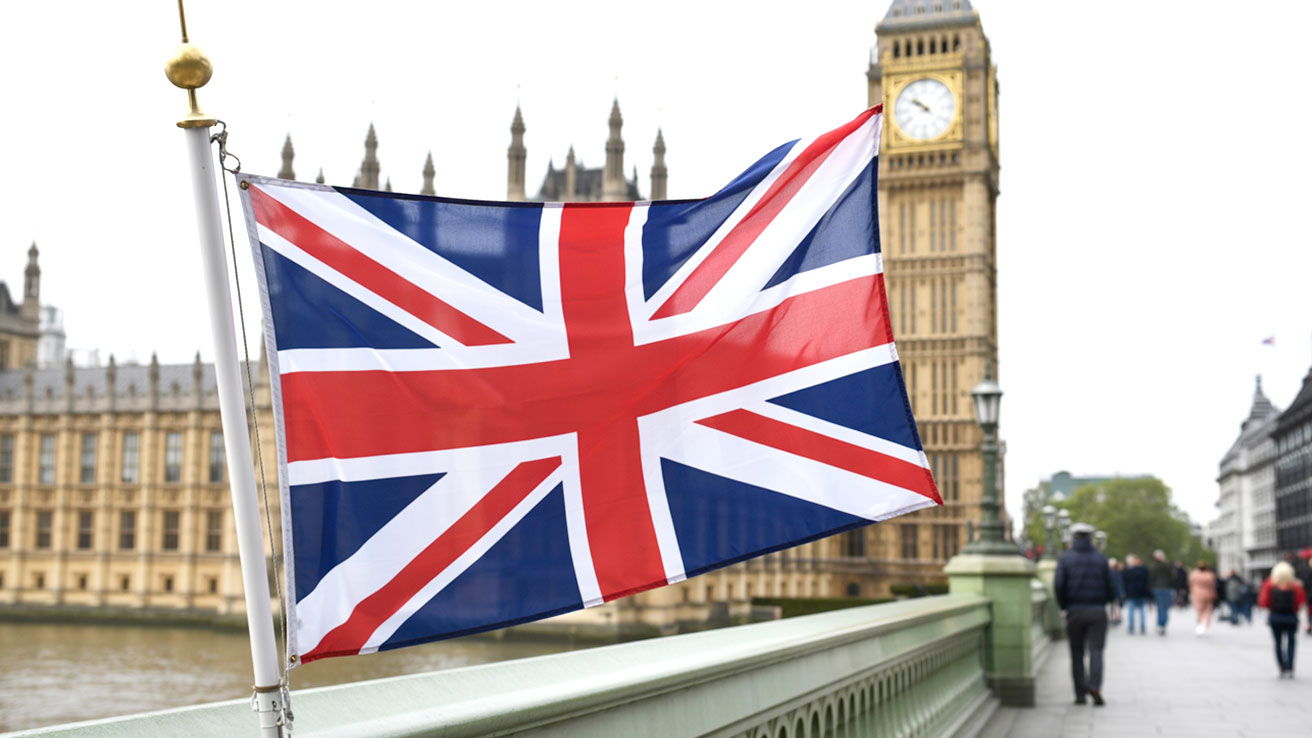
Fresh polling has intensified debate over gambling advertising in the UK, placing renewed pressure on ministers even as the government maintains that it has no immediate plans to legislate for further restrictions.
The research, shared with The Guardian, suggests that public opinion has moved decisively toward tougher oversight of gambling promotion.
Conducted by More in Common and commissioned by the Campaign to End Gambling Advertising for a report titled ‘Ending A Losing Streak’, the surveys found that 70% of respondents favor stronger curbs on gambling advertising and sponsorship, while 27% support a complete ban on gambling companies promoting themselves.
The findings land amid years of political disagreement over gambling policy, which has already led to stricter regulation of the £12.5 billion-a-year sector ($16.89 billion). Successive governments have lowered stake limits on online slot machines and introduced a statutory levy to fund addiction treatment.
Higher taxes on gambling were announced in November's budget, despite sustained lobbying from the industry. Advertising, however, has remained largely outside the scope of recent reforms.
In a foreword to the report, former Conservative Party leader Iain Duncan Smith argued that public backing for tougher rules cuts across party lines. “The report shows that tougher regulation of the gambling sector would not only be uncontroversial but would carry strong public support from voters across the political spectrum,” he said.
He added: “If we are to protect the next generation from gambling harm, we must act.”
Gambling companies introduced a voluntary “whistle-to-whistle” advertising code in 2019, under which ads are not shown during sports fixtures broadcast before 9pm, and committed to devoting 20% of advertising to responsible gambling messages. Critics argue these steps have failed to limit the scale of promotion, particularly online.
Some estimates put annual gambling advertising and marketing spend at about £2 billion ($2.7 billion), while the industry’s trade body, the Betting & Gaming Council, says the figure is £1.15 billion ($1.55 billion) and includes spending by illicit operators in higher estimates.
Labour MP Beccy Cooper said existing safeguards no longer reflect the way gambling is marketed. “While successive governments have rightly taken tentative steps towards improving regulation of the gambling sector, we need to go further,” she said.
“Current rules on gambling advertising are no longer fit for purpose. Promotions now saturate television, social media and influencer marketing, exposing children and young people as a matter of course. This must change, and stronger restrictions are now urgently needed to reduce harm.”
Campaigners have focused on children’s exposure, particularly through social media platforms. Will Prochaska, director of the Campaign to End Gambling Advertising, said: “This study shows deep public concern about the gambling sector and a strong appetite to protect children from gambling ads.”
Beyond advertising, the polling found that gambling was the industry respondents most wanted to see regulated more tightly, ahead of sectors including technology and AI, finance, and aviation, with 65% backing tougher rules. Attitudes toward the industry’s future were also skeptical, with only 8% saying they would like it to grow and 47% saying they would prefer it to shrink.
Views on physical gambling venues reflected similar unease. Almost no respondents said their local area needed more gambling outlets. When asked to choose between an empty shop and a gambling venue, 44% favored the former, compared with 27% who preferred the latter.
The Betting & Gaming Council said advertising already operates under strict rules. “Advertising must comply with strict guidelines and safer gambling messaging, which promotes safer gambling tools and signposts to help those concerned about their betting, is regularly and prominently displayed,” it said.
The council added that "the betting and gaming industry’s spend on advertising has declined over recent years,” and noted that “the government has previously stated that research did not establish a causal link between exposure to advertising and the development of problem gambling.”
The council warned that higher taxes on online gambling could damage the sector and lead to job losses.
As reported by The Guardian, a government spokesperson said: “The government does not currently have plans to legislate for restrictions to gambling advertising. However, we recognise that more work needs to be done to ensure that gambling advertising does not lead to harmful gambling.”
The spokesperson added: “We are working closely, across government and with industry, to ensure children and the most vulnerable are protected, and to tackle illegal gambling advertising.”
Pennsylvania Gaming Control Board bars 18 people from regulated gambling
Uplatform to showcase "iGaming supermarket" concept at iGB L!VE London 2026

DELULU Gaming names SOFTSWISS strategic technology partner for London soft launch dinner


Entain reportedly considering sale option for CEE Venture as UK gambling tax costs mount

SafeCasino named Best New Casino at AskGamblers Awards 2026

Fast Track partners with Meridianbet to support customer engagement across 18 markets

Digitain wins Platform Provider of the Year at SBC Awards Americas 2026

Real-time rewards: Why decision quality matters more than speed


Ready Play Gaming content set to go live via Nirmata Play


Peru Gaming Show wraps up with criticism of consumption tax and discussion of World Cup betting activity

Zitro draws record operator attendance at fifth Zitro Experience Peru event



