

Papaya’s celebrity-fueled push meets escalating legal challenges over skill-based model

Papaya, a mobile gaming company that allows users to play games like solitaire for cash, has enlisted a roster of ESPN personalities to promote its platform. However, the skill-based gaming platform is facing mounting legal pressure as regulators question whether its games amount to illegal gambling.
The company, which bills itself as a leader in “skill-based” mobile gaming, has hired several high-profile sports figures to push its brand. ESPN’s Stephen A. Smith will host the company’s Solitaire World Championship next year, while Mina Kimes and Kendrick Perkins promoted Papaya’s contests on social media. The partnerships drew attention after reports that ESPN told its on-air staff to cut ties with the company following criticism over its legal status.
Papaya’s Solitaire Cash app lets players compete for money in head-to-head matches. The company says its games depend on ability, not luck, claiming that “our games aren’t considered gambling in jurisdictions where Papaya operates as the outcome of our tournaments is based on the skill of the players, rather than luck or chance.” But regulators have not always agreed.
In October 2024, the Michigan Gaming Control Board issued a cease-and-desist letter to Papaya, declaring its products illegal gambling under state law. Michigan is one of several states where the company’s real-money tournaments are unavailable.
The U.S. legal landscape for skill-based gaming is fragmented. Some states permit it under narrow definitions, others restrict it, and a few explicitly prohibit it. That uncertainty has encouraged companies like Papaya, which operates in a regulatory gray zone that now appears to be narrowing.
Papaya’s aggressive marketing and celebrity deals come as larger gambling operators experiment with similar formats. FanDuel launched FanDuel Faceoff in 2022, partnering with the NBA and Rob Gronkowski to offer skill-based contests with cash prizes. Betr, another company in the space, debuted its Betr Arcade earlier this year in 29 states. DraftKings’ venture capital arm has also invested in Papaya, while the NFL maintains a multi-year deal with Skillz, one of Papaya’s main competitors.
But Papaya’s growing prominence has also brought lawsuits. Rival Skillz sued the company in New York last year, alleging false advertising and deceptive practices. The suit accuses Papaya of misleading players by claiming they were competing in “totally fair and skill-based” matches against other humans while actually using bots in “rigged” contests. Papaya has denied the claims and filed a countersuit.
The fallout has already affected the company’s marketing campaign. Kimes deleted her social media posts promoting Papaya and apologized publicly, calling the endorsement “a colossal f***-up.” ESPN has since directed several of its on-air talents to end their relationships with the company, according to Front Office Sports.
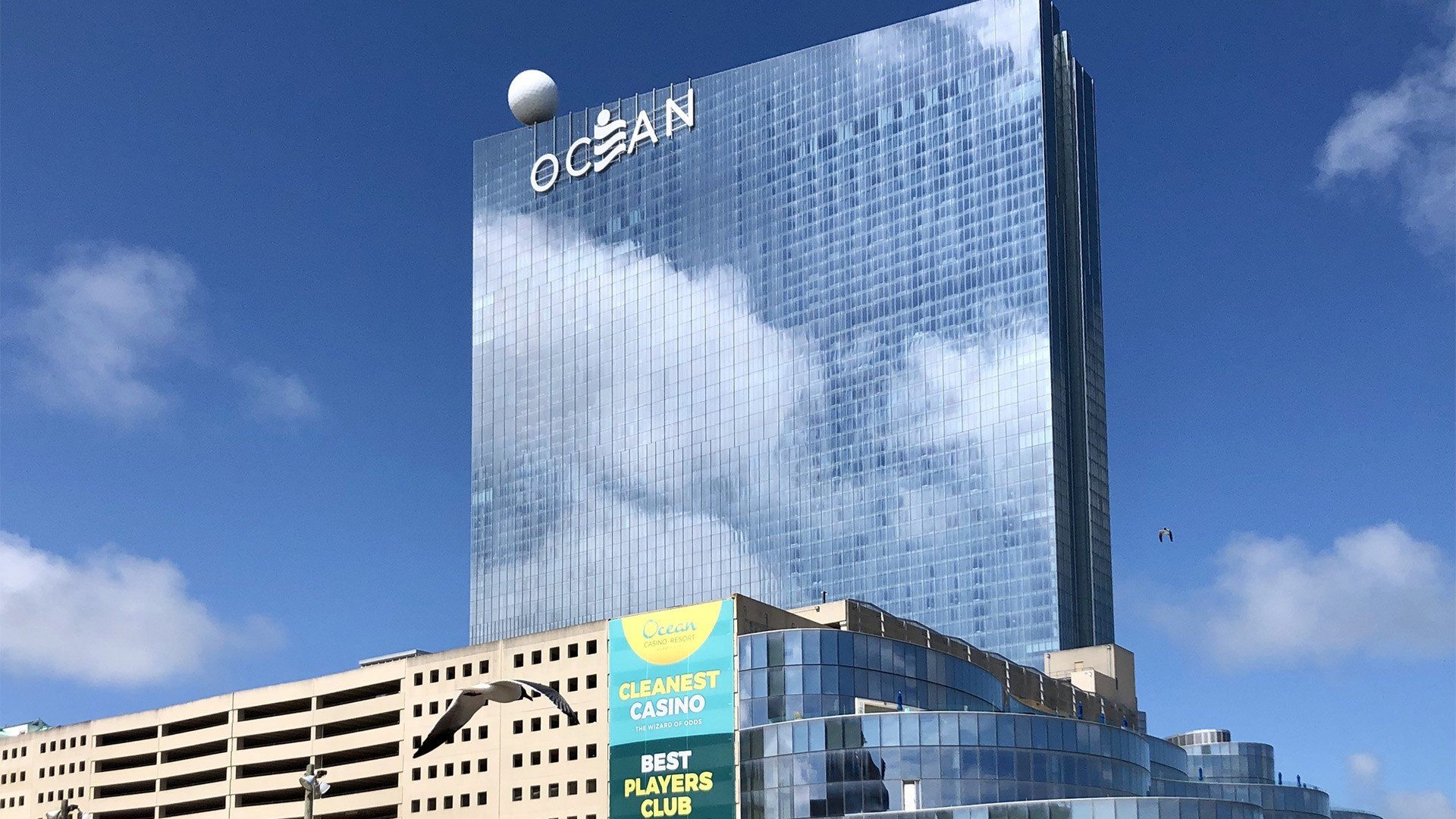
Little Caesars founders form new gaming unit, take full control of Atlantic City's Ocean Casino
Kentucky Attorney General sues Kalshi, Polymarket, and VGW over alleged illegal gambling

Entain reportedly considering sale option for CEE Venture as UK gambling tax costs mount

Entain reportedly considering sale option for CEE Venture as UK gambling tax costs mount

SafeCasino named Best New Casino at AskGamblers Awards 2026

Fast Track partners with Meridianbet to support customer engagement across 18 markets

Digitain wins Platform Provider of the Year at SBC Awards Americas 2026

Real-time rewards: Why decision quality matters more than speed


Ready Play Gaming content set to go live via Nirmata Play


Peru Gaming Show wraps up with criticism of consumption tax and discussion of World Cup betting activity

Zitro draws record operator attendance at fifth Zitro Experience Peru event



