

Las Vegas visitation holds steady despite Middle East tensions, analysts say
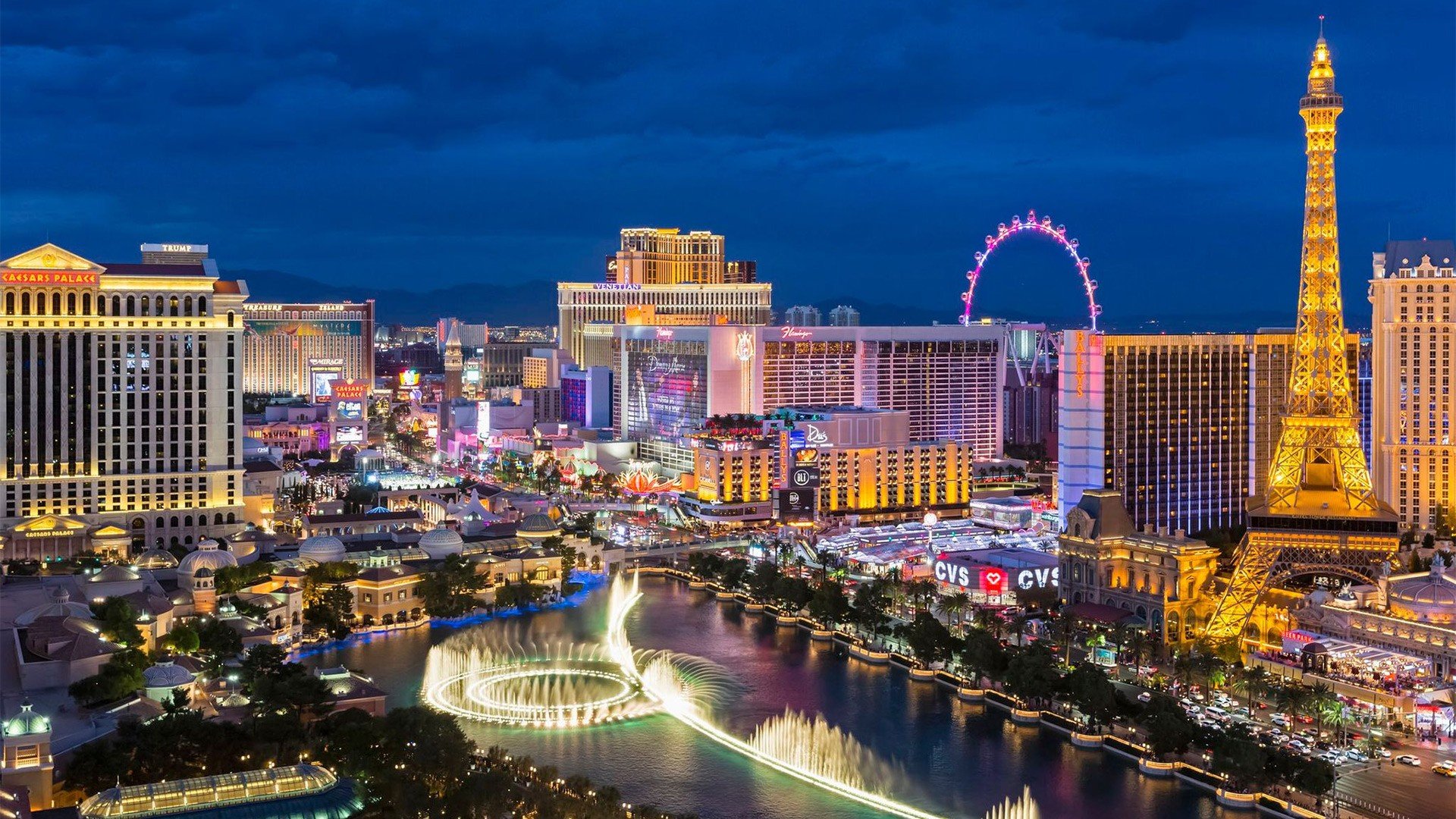
The ongoing conflict in the Middle East has not yet affected visitation to casino resorts in Las Vegas, according to industry analysts, though uncertainty could weigh on travel demand if tensions persist.
Speaking during a panel hosted by the Economic Club of Las Vegas at the Park MGM, analysts highlighted that consumer behavior has remained largely unchanged despite geopolitical concerns.
Consumer resilience remains strong
John DeCree, head of institutional investor research at CBRE Capital Advisors, emphasized that the key factor to watch is consumer sentiment, reports the Las Vegas Review-Journal.
“So much of it right now is going to be how the consumer feels,” he said, noting that Americans continue to prioritize spending on experiences. According to DeCree, visitation trends remain consistent with pre-conflict levels, reflecting a resilient leisure market.
However, he warned that this could shift depending on how long the conflict lasts and whether it escalates further. In the near term, bookings made 60 to 90 days in advance are unlikely to be canceled, meaning any downturn would likely emerge gradually.
Budget travelers could feel the impact first
Barry Jonas, gaming analyst at Truist Securities, suggested that any slowdown would likely be felt first among low-end customers rather than high-end visitors.
Rising costs — particularly fuel prices — tend to disproportionately affect budget-conscious travelers. While high-end guests spending hundreds per night may absorb additional travel expenses, lower-income visitors are more sensitive to economic pressures and uncertainty.
Affordability emerges as a growing concern
Both analysts pointed to a broader challenge for Las Vegas operators: maintaining appeal for value-oriented visitors.
DeCree noted that many of the city’s newer attractions cater to higher-spending audiences, from premium sporting events to large-scale entertainment experiences. As a result, there may be fewer affordable options for budget travelers compared to previous years.
This dynamic could become more relevant if economic pressures intensify, prompting operators to rethink how they attract and retain mid- and low-tier customers — a segment that, while smaller, still represents a meaningful share of total visitation.
Operators may adapt portfolios over time
Beyond short-term trends, the panel also touched on the evolving strategies of major casino operators. According to Jonas, some companies may consider divesting assets as they reassess how many properties are necessary to sustain profitability in an increasingly competitive market.
“I think most executives would say we don’t need to have so many properties,” Jonas said. “When Caesars got rid of the Rio, I would say the bulk of that (cash flow) they kept in-house. MGM has divested certain regional assets. I think that there are instances where you need to focus on your strategy, and things evolve."
Downtown Las Vegas' Gold Spike hotel changes hands in $11.38 million sale

Gaming leaders debate regulation, prediction markets and the next phase of industry growth

1xPartners announces early tournament insights and key predictions


Entain reportedly considering sale option for CEE Venture as UK gambling tax costs mount

Fast Track partners with Meridianbet to support customer engagement across 18 markets

SafeCasino named Best New Casino at AskGamblers Awards 2026

Digitain wins Platform Provider of the Year at SBC Awards Americas 2026

Growth in iGaming is becoming more complex. So are the partnerships behind it.

Real-time rewards: Why decision quality matters more than speed


Gaming leaders debate regulation, prediction markets and the next phase of industry growth



