

Brazil approves phased gambling tax increase to 15% by 2028
Brazil has approved a phased increase in taxes on licensed gambling operators, culminating in a 15% rate on gross gaming revenue by 2028, following presidential approval of new legislation that also tightens compliance obligations across the sector.
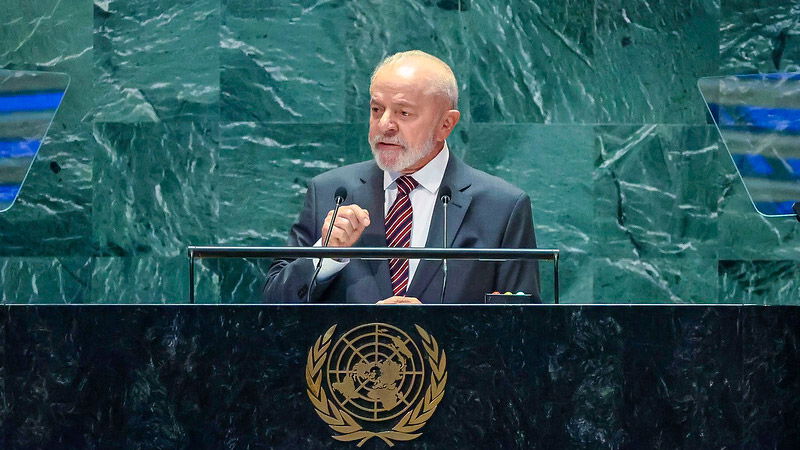
President Luiz Inácio Lula da Silva gave final approval last week to Complementary Law No. 224 after it was passed by both the Senate and the Chamber of Deputies in mid-December.
The law raises the tax rate on gambling licensees from the current 12% to 13% in 2026, 14% in 2027, and 15% from 2028 onward. The legislation forms part of a package that also cuts federal tax benefits for several sectors by 10%.
In addition to higher headline taxes, the law requires licensed operators to allocate a growing share of revenue to social security. From 2026, 1% of revenue collected by gambling companies must be directed to the social security system, rising to 2% in 2027 and 3% in 2028.
Complementary Law No. 224 also introduces joint tax liability for companies and institutions that support illegal betting activity. This includes entities that advertise unlicensed betting platforms, as well as financial and payment service providers that conduct business with operators lacking proper authorization.
While many provisions took effect with the start of the new year, Brazil’s constitution mandates a 90-day waiting period before any new or increased tax can be enforced. As a result, operators will benefit from a short reprieve before the 13% rate becomes applicable.
The final 15% rate is lower than an earlier proposal approved in early December by the Senate’s Economic Affairs Committee, which would have raised operator taxes to 18% by 2028 under PL 5,473/2025. That proposal faced resistance from lawmakers who sought additional scrutiny, leading the government to pursue the alternative PLP 128/2025 route to avoid delays ahead of the legislative recess.
Revenue from the newly created CIDE-Bets tax will be allocated to the National Public Security Fund, with the levy expected to generate approximately BRL 30 billion ($5.5 billion) annually.
Separately, the Antifaction Bill has reinstated the RERCT Litígio Zero Bets mechanism, requiring operators to pay a 15% retrospective tax on gambling activities conducted between 2018 and 2024, prior to the market’s formal regulation on January 1, 2025.
Despite relief over the lower rate, licensed operators remain concerned about additional tax pressures. Last month, the Senate plenary approved a 15% tax on player deposits made to licensed platforms. Because the bill was amended, it has been returned to the Chamber of Deputies for further consideration before it can be sent to the president for final approval.
Bangladesh approves draft gambling prevention law with prison terms and fines

Estonia gambling tax cut fails to deliver expected operator surge

North Carolina lifts online sportsbook tax from 18% to 23%


GLI welcomes CVC as its first external investor to support long-term growth

MGM Resorts and BetMGM extend Major League Baseball agreements

SiGMA Foundation extends funding for Dreams of Horses Farm rehabilitation programs

EGT Digital joins World Lottery Association as Associate Member


Growth in iGaming is becoming more complex. So are the partnerships behind it.

Real-time rewards: Why decision quality matters more than speed


G2E 2026 registration now live ahead of return next September


Gaming leaders debate regulation, prediction markets and the next phase of industry growth


