

Bulgaria’s parliament rejects proposal to create state gambling monopoly
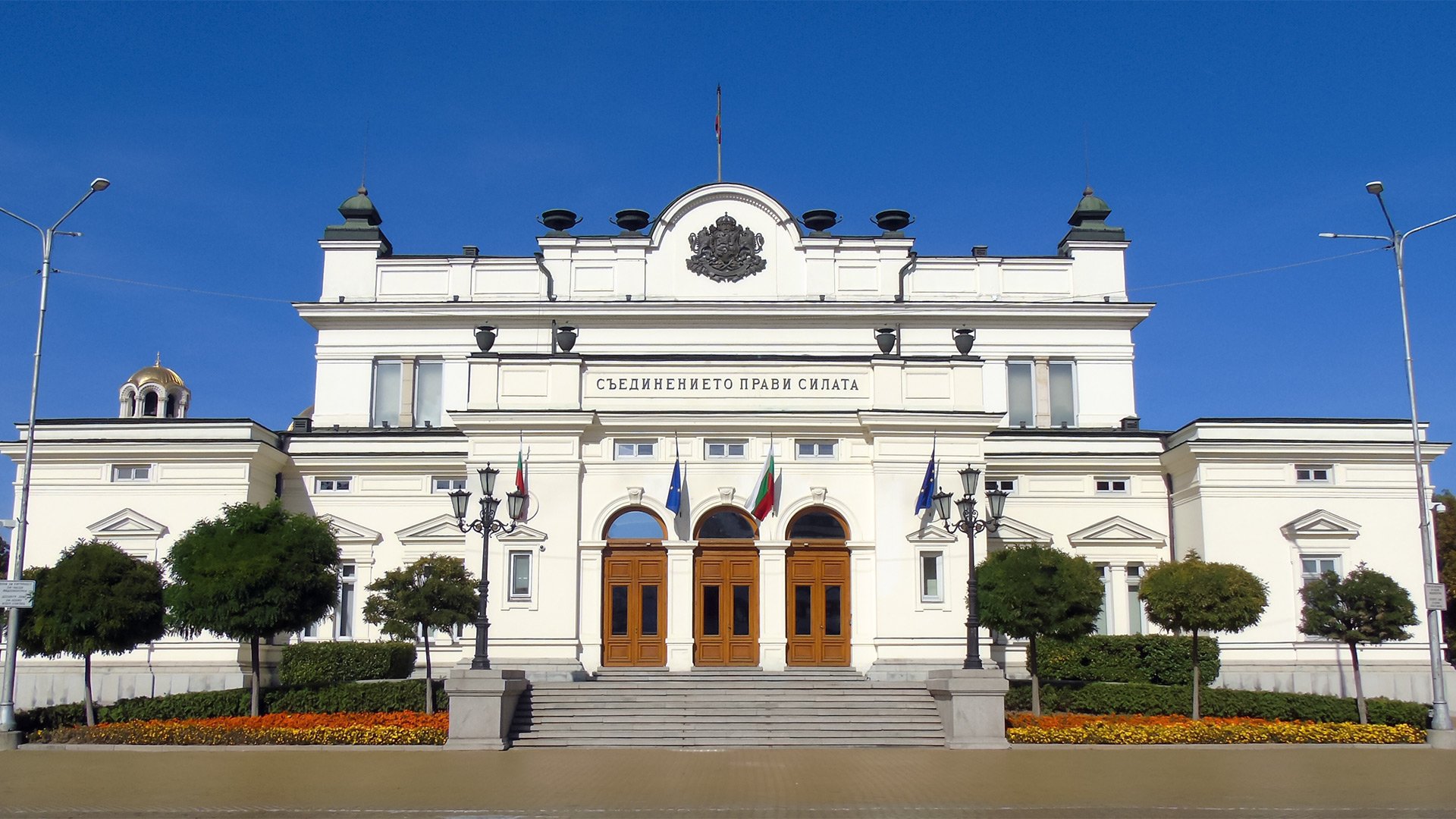
Bulgaria’s parliament on Wednesday rejected a proposal to nationalize the gambling industry and place all betting operations under a state-run monopoly, a move lawmakers said would have upended the existing regulatory framework and cost the country significant tax revenue.
The measure, submitted by MP Hristo Rastashki of the Mech party and backed by the far-right Vazrazhdane, failed to clear the 121 votes needed for approval, receiving 58 votes in favour, 14 against and 96 abstentions. The vote followed a separate proposal to issue a tender to privatize the National Lottery, citing the United Kingdom as a model.
Supporters of the failed bill argued the state should take full control of gambling. Kliment Shopov of Vazrazhdane called gambling a social ill that needs to be uprooted and said the industry funds the state budget by preying on vulnerable gamblers. Shopov said the proposal was a “better version” of the current system because it would enable the state to run all gambling operations. He has also advocated for a complete ban on gambling.
Rastashki said placing the sector under the Bulgarian Sports Totalizator, the national lottery operator, would be best for the country and could strengthen oversight. Both Mech and Vazrazhdane have been described by opponents as far-right parties with presumed ties to Russia and open support for Moscow’s invasion of Ukraine.
Opposition lawmakers, however, warned that nationalizing the sector would have severe financial consequences. Branimir Balachev of GERB-UDF said such a move would cost Bulgaria €200 million ($233 million) in lost revenue and undermine a gambling tourism market that attracts visitors from countries including Israel and Iran.
Lawmakers also noted that Bulgaria’s existing gambling rules suffer from weak enforcement. Casinos and gambling advertisements remain widespread despite restrictions on signage, creating what critics describe as a regulatory vacuum exploited by operators.
The rejected proposal adds to ongoing debate over how Bulgaria should regulate betting, with some legislators pushing for tighter controls and others warning that abrupt intervention could damage revenue and grow the black market.
BGaming sets July date for second TRUE WAYS online conference

Swedish court overturns penalty against LeoVegas following duty of care review

Portugal targets illegal gambling with new awareness campaign, vows tougher action against unlicensed operators


Soft2Bet wins SBC award for Industry Innovation of the Year in North America

California's Jamul Casino Resort brings in Marcus Lucero as Vice President of Casino Operations
BetMGM's Brazilian venture moves to acquire Bingão do Brasil in market expansion push

1spin4win launches charity initiative 'United for Impact' to support children's healthcare in Kenya


BGaming sets July date for second TRUE WAYS online conference

N1 Partners named finalist in three categories at G Gate Awards 2026

Boomerang Partners launches second stage of Golden Boomerang Awards 2026


