

Pennsylvania Commonwealth Court rules casinos can deduct costs for event tickets

The Pennsylvania Commonwealth Court found that casinos can deduct costs for event tickets given to players from gross table and slot revenues.
Parx Casino operator, Greenwood Gaming & Entertainment, requested an excise tax refund, claiming a deduction for the costs of complimentary event tickets distributed to patrons for their gaming play. The Commonwealth argued that the tickets constituted nondeductible services under the Gaming Act. The Board of Finance and Revenue denied the refund request.
According to an analysis by Cozen O’Connor associates Heidi Schwartz and Robert Careless, reported by Bloomberg Tax, event tickets provided by a casino to patrons do not constitute “services” for the purposes of the Pennsylvania Race Horse Development and Gaming Act, and are therefore not subject to tax.
Under the Act, casinos are subject to tax on their gross terminal revenue (GTR) and gross table game revenue (GTGR). Both items are defined to include cash or cash equivalent that the casino receives from patrons from playing, less the cost of property that the casino distributes to a player as a result of playing the game. Travel expenses, food, refreshments, and “services” are not deductible from GTR or GTGR.
As part of its operations, Greenwood provides tickets to events to its patrons as a result of their table gaming or slot play. In calculating its GTR and GTGR, the company deducted the value of event tickets it gave to patrons from the GTR and GTGR tax base. The Commonwealth disallowed the deduction on the argument that event tickets constitute “services” under the Act.
On appeal, the Commonwealth Court held on October 16 that an event ticket is neither a good nor a service, and the value of the event tickets should therefore be deducted from the GTR and GTGR tax base.
The court reasoned that an event ticket is intangible property that confers a right to admission to an event. The court noted that the casino was not the direct service-provider for the event; rather, the performers provided the service. As such, a ticket provided by a casino to a third party’s event is simply a right of entry, Cozen O’Connor analysts explain.
The court rejected the state’s position that events are themselves services; the state’s own authority, the Uniform Commercial Code, included a service as a type of intangible. The court reasoned that if the legislature intended that event tickets should not be deductible from patrons’ winnings, like the value of travel expenses, food, and refreshments, it could have expressly stated so.
The case may be appealed. The outcome of the case will affect the application of the Act, and will provide precedent for what constitutes a “service” for Pennsylvania tax purposes.
IGT brings Wheel of Fortune Cash on Reels slots to Mohegan Sun on RISE55 cabinet

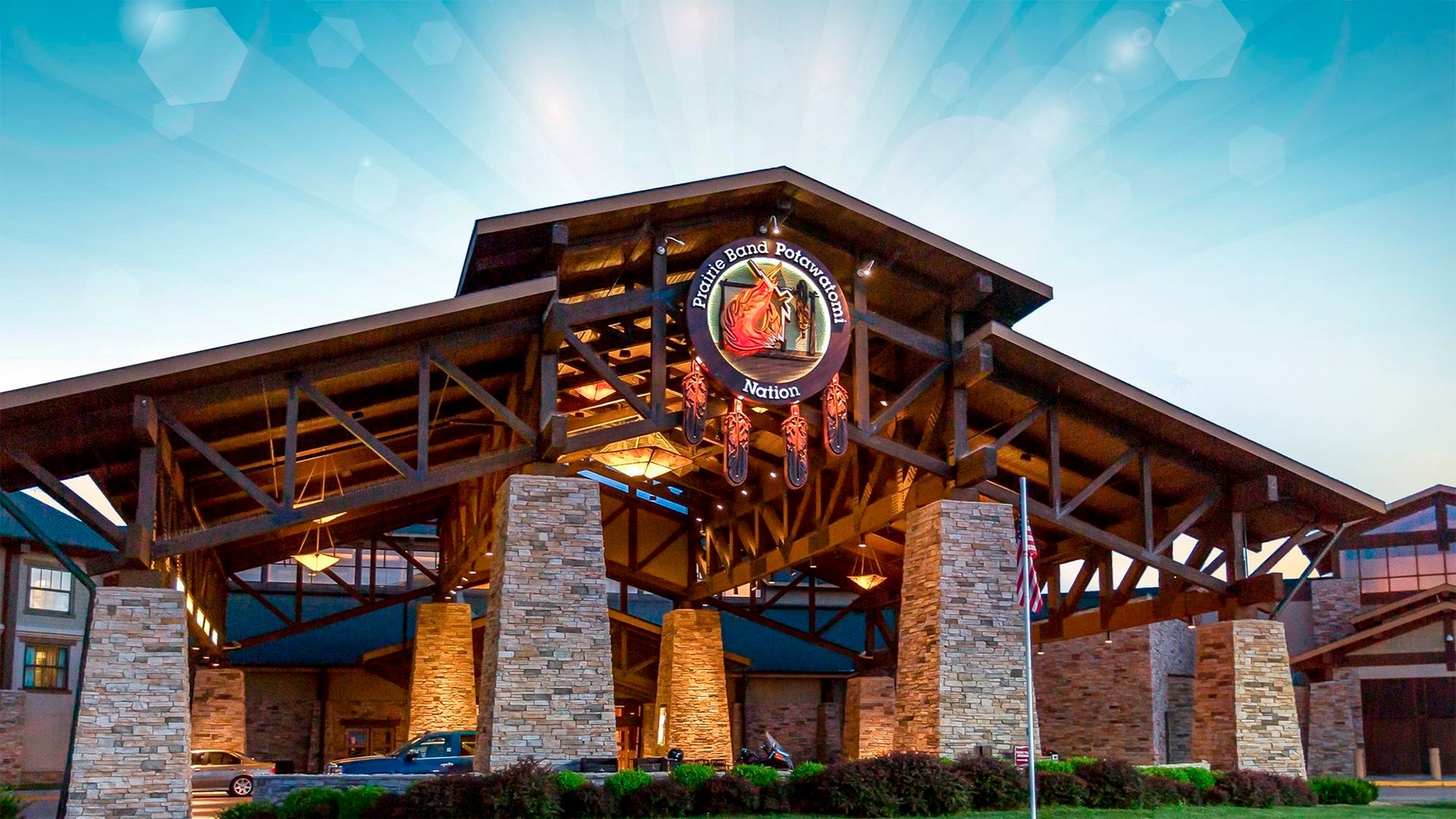
Everi deploys Vi mobile gaming platform at Kansas' Prairie Band Casino & Resort
Pennsylvania lawmakers propose bipartisan bill package to address problem gambling


FIRST.bet wins Sports Betting Supplier cateogyr at EGR B2B Awards

ReferOn lands two EGR B2B Awards 2026 shortlist nominations

Bally’s Intralot reaches $326 million deal to acquire William Hill and 888 owner Evoke

Allwyn AG names Khalid Reede Jones as CEO of North America unit


Pidiots and the future of slot engagement: Why Slotmatic is building the intelligence layer behind the next generation of slots

Hub Affiliations awarded at Le Fonti Awards 2026 as Excellence of the Year for Innovation & Leadership in iGaming

Plinko, lottery, online casino: how Europe searches for iGaming


NOVOMATIC draws industry interest with product portfolio at Belgrade Future Gaming 2026



