

Opponents of Lago Casino protested in New York

Their aim was to prevent the state Gaming Commission from licensing the project, arguing that it would take business from a nearby tribal casino and racetrack facilities.
They cited projections of a loss to the state of $105m in annual gaming revenues by the two existing operations, as well as the loss of 2,500 jobs tied to the businesses that would directly compete with Lago. The protesters called on the Gaming Commission to reject Lago’s license despite the recommendation of the Gaming Facilities Location Board.
Assemblyman Anthony Brindisi said the legislation to expand commercial casinos in the state was intended “to create new jobs, not to shift jobs from one community to another. What’s happening under this Lago proposal is you are going to see jobs shifted to this new casino,” said Brindisi. “It is going to cannibalize the existing facilities already in upstate New York.”
Protesters included government officials, workers at Finger Lakes Racetrack and Oneida Indian representatives. VP of Nation Human Resources for Oneida, Dana Sovocool, inferred the project would “create significant turmoil” for a great number of workers and undermine the tribe’s efforts to “create a stable, secure, and vibrant labor force” in Finger Lakes region.
Lago spokesman Steve Greenberg dismissed the remarks as “phony protests” coordinated by the Oneida Indian Nation, which operates the Finger Lakes Racetrack and nearby Turning Stone Casino. “While the Oneidas and Delaware North resort have their phony campaign, our focus remains clear,” said Greenberg, “build the best resort and casino in all of upstate.”
The Location Board, setup by Governor Cuomo, selected Montreign Casino Resort in Catskills, Rivers Casino & Resort in Schenectady, Tioga Downs Casino, Racing & Entertainment in Nicolas and Lago Resort & Casino in Tyre. Lago is projected to cost upwards of $400m and will create 1,800 construction jobs and additional 1,800 permanent jobs.
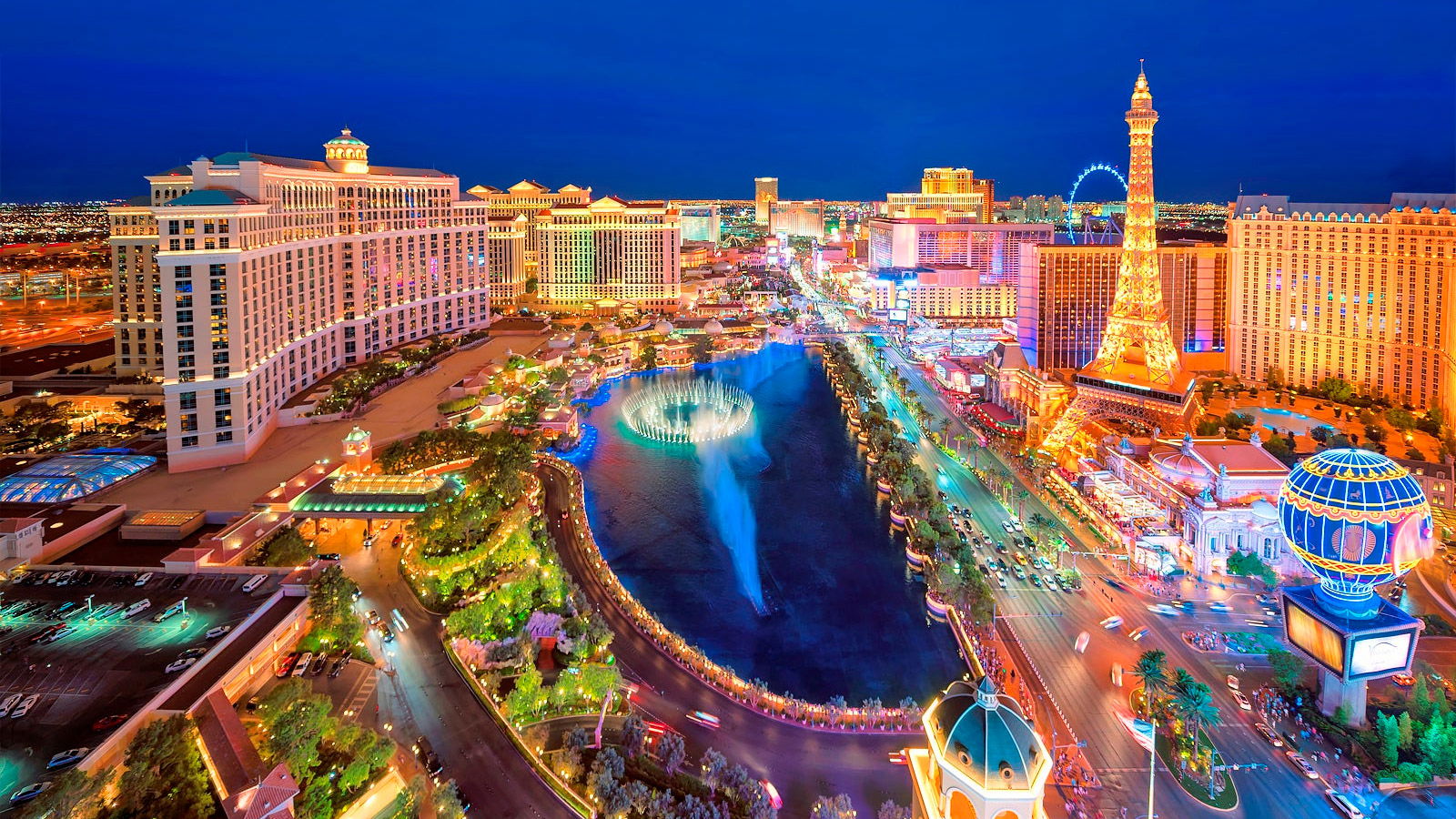
Nevada casino net income falls 34.8% following 81.2% drop on Las Vegas Strip
Hard Rock Bet rolls out Matthew Broderick-led campaign for sportsbook and casino

Liga MX names Polymarket its exclusive prediction market partner for the US


1spin4win launches charity initiative 'United for Impact' to support children's healthcare in Kenya

Comtrade Gaming partners with 7bet for Latvia, Estonia and Finland expansion

Win Systems appoints Ana Aniceto to lead Country Manager & Sales in Peru

Flutter to delist from London on 3rd August as NYSE remains main trading venue

Ready Play Gaming content set to go live via Nirmata Play


Hub Affiliations awarded at Le Fonti Awards 2026 as Excellence of the Year for Innovation & Leadership in iGaming


Boomerang Partners launches second stage of Golden Boomerang Awards 2026

BetMGM, Kaizen Gaming and Sportradar lead winners at SBC Awards Americas 2026

Day 1 of SBC Summit Americas spotlights prediction markets, AI and industry challenges


