

Competition ramps up as four proposals advance in race for New York’s first full-scale city casinos
Editor’s Note: Since publication, MGM Resorts International has withdrawn its bid for a full-scale casino license in New York. References to the company’s Empire City proposal reflect the status of the competition prior to this development.
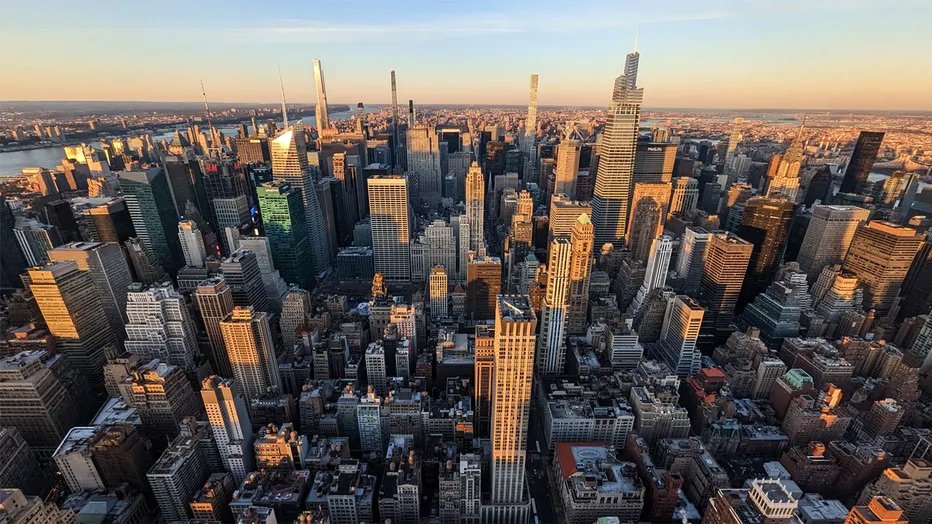
Four major contenders remain in the competition for three full-scale casino licenses in the New York City region, marking a decisive phase in a process that began over a decade ago. The state’s Gaming Commission is expected to award the licenses before the end of the year, potentially introducing Las Vegas-style gaming to the nation’s largest metropolitan area for the first time.
The New York Times has shared an analysis of the competition, chronicling the path of the finalists and the wider licensing process. The four remaining proposals are located in the Bronx, Queens, and Yonkers, and each survived the initial round of evaluations by local advisory committees that recently rejected four other bids, including three in Manhattan and one on Coney Island.
The casino expansion traces back to a 2013 statewide referendum in which New York voters approved commercial gambling. Since then, four upstate casinos have opened, strategically located more than 100 miles apart. The new licenses will bring the industry to the city, where demand and competition are expected to be fierce.
Two of the current applicants already operate racinos, facilities offering video lottery terminals and horse betting, but no live table games. Resorts World in Queens, operated by Malaysia’s Genting Group, and Empire City Casino in Yonkers, owned by MGM Resorts, are seeking upgrades to become full casinos.
Rendering for the upgraded MGM casino and the current Resorts World racino

Resorts World plans a $5.5 billion expansion, including a 2,000-room hotel and thousands of new slot machines, projecting annual revenue of $2.2 billion and the creation of 5,000 jobs. Empire City proposes a $1.8 billion redevelopment to compete on equal footing, forecasting revenue growth to $1.4 billion.
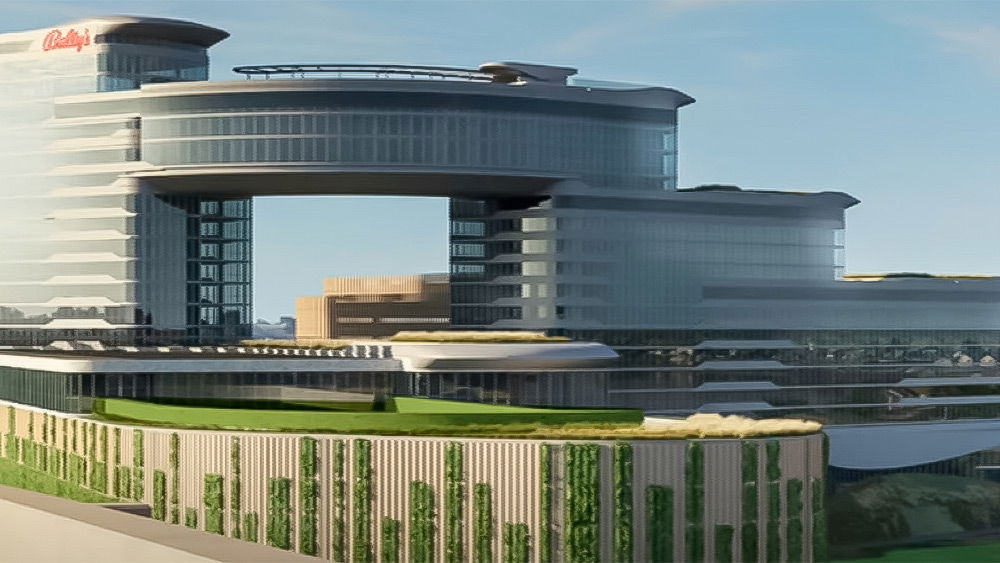
The other two contenders aim to build entirely new facilities. Bally’s has proposed a $4 billion resort on its 222-acre Bronx golf course near the Whitestone Bridge, featuring a 250-foot-tall casino with thousands of machines and hundreds of live tables.
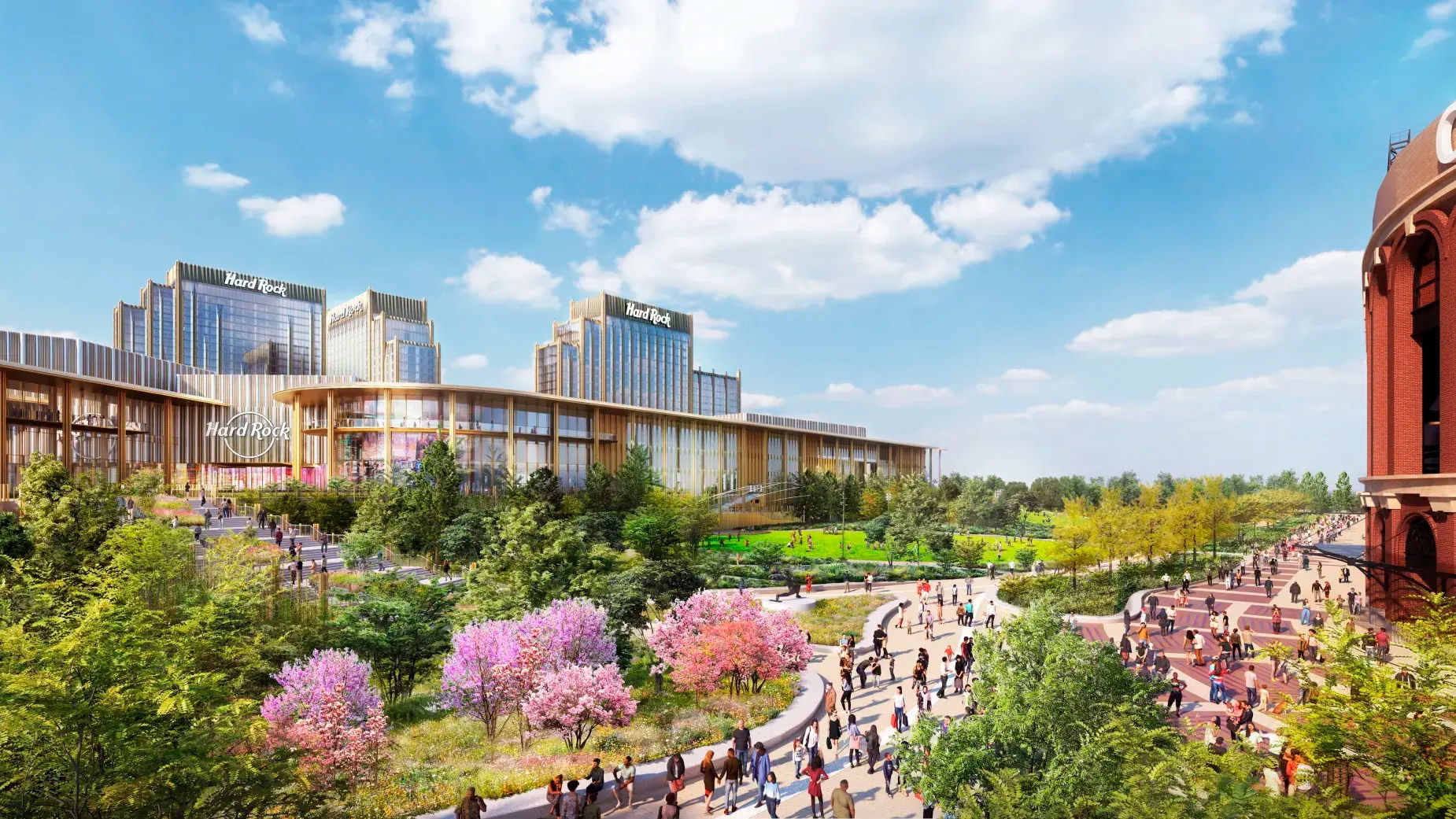
In Queens, Hard Rock International, backed by New York Mets owner Steven A. Cohen, is pushing the $6.4 billion Hard Rock Hotel & Casino Metropolitan Park adjacent to Citi Field. The plan includes a 1,000-room hotel and hundreds of live tables, among them 30 dedicated to poker, with projected annual revenue of $3.9 billion, the highest among all proposals.
Render of Hard Rock Hotel & Casino Metropolitan Park
Kevin S. Law, who chaired the state’s Gaming Facility Location Board during the approval of the first four casinos, said that the city’s population and tourism base could sustain multiple properties. “Just walk down the streets of Vegas, there are numerous casinos right on top of each other,” he said, as per the New York Times report. “Our downstate and tristate population is huge and should be able to support three casinos.”
Despite the scale of these proposals, some experts caution that economic projections may be overly optimistic. Across the United States, casino revenues have softened amid the rise of online and mobile sports betting, with markets in Las Vegas, New Jersey, and Pennsylvania showing year-over-year declines.
The initial review stage proved challenging for other applicants. The Caesars Palace proposal for Times Square met strong opposition from the Broadway League and a coalition known as No Times Square Casino, which argued the project could harm local theaters and restaurants.
Community pushback also doomed casino plans for Coney Island and two Manhattan sites, the Avenir on the Far West Side and Freedom Plaza near the United Nations.
Public resistance surfaced as well for the Hard Rock project, where a recent hearing was halted due to tensions between opponents and supporters. However, the local committee unanimously advanced the plan, as it did for the proposals from Resorts World and MGM.
Bally’s received mixed support, with one committee member voting against the project, arguing it failed to meet the Bronx’s economic needs, though the bid ultimately advanced.
Render for Bally's proposed project in the Bronx
The next step rests with the five-member Gaming Facility Location Board, led by Vicki L. Been, a former New York City deputy mayor under Bill de Blasio. The board will evaluate each proposal across four categories. Economic impact, including investment value, job creation, and tax potential, carries the greatest weight at 70 percent of the overall score.
The remaining categories assess neighborhood effects such as traffic and small business impact, workforce and responsible gaming plans, and diversity in hiring and contracting. Law, reflecting on the earlier round of casino licensing, said his team prioritized sustainable job creation and tourism benefits. “We looked at the economic impact to the region as the most important criterion as well as the track record of the casino operators,” he said.
After the board’s review, the New York State Gaming Commission will decide which applicants receive up to three licenses. Each license carries a $500 million fee, granting the right to operate a full-scale casino.
Michigan judge rules Polymarket sports contracts fall outside CFTC authority

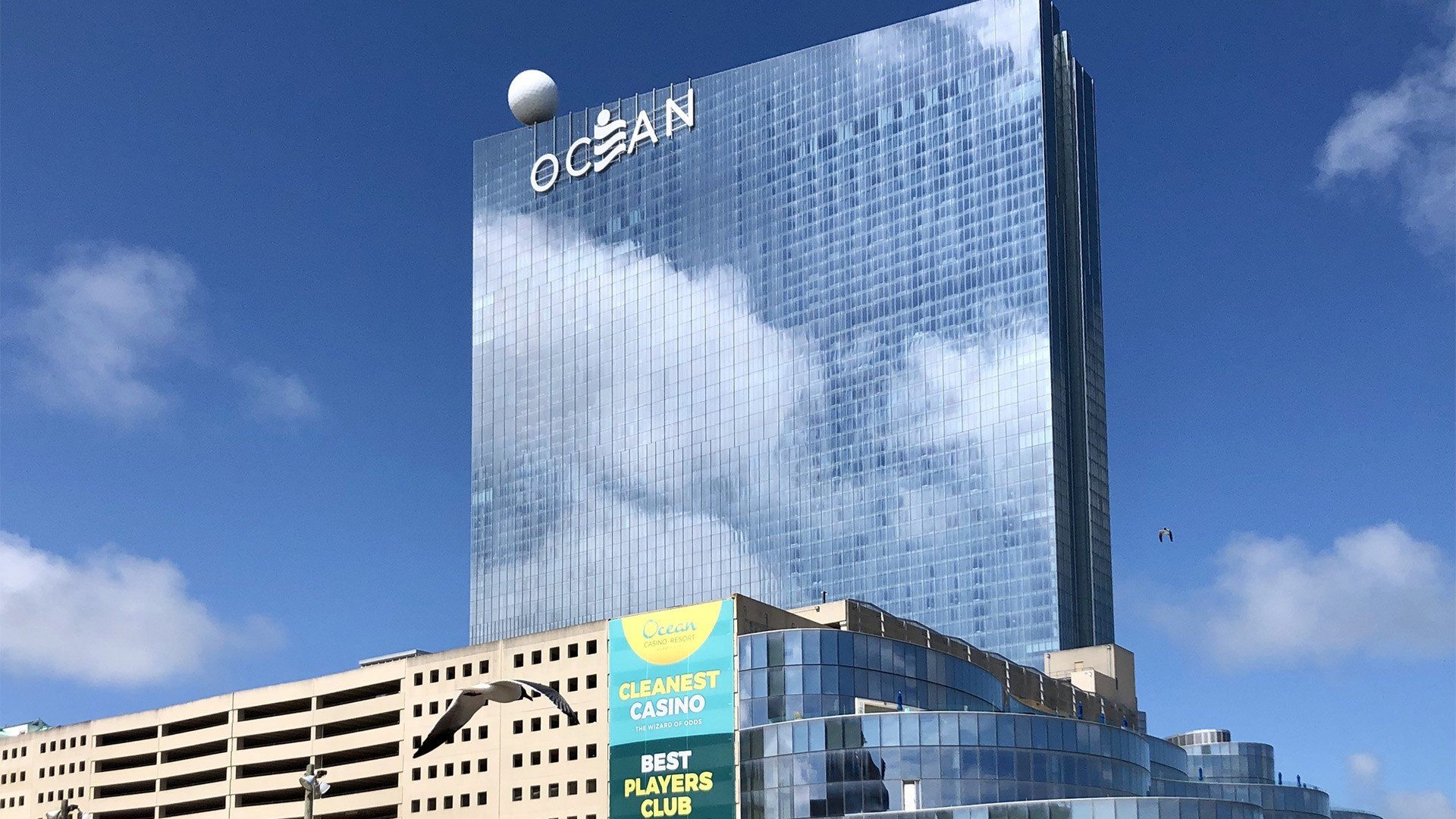
Little Caesars founders form new gaming unit, take full control of Atlantic City's Ocean Casino
Pennsylvania gaming revenue hits record $625.5 million in May

Entain reportedly considering sale option for CEE Venture as UK gambling tax costs mount

Fast Track partners with Meridianbet to support customer engagement across 18 markets

SafeCasino named Best New Casino at AskGamblers Awards 2026

Digitain wins Platform Provider of the Year at SBC Awards Americas 2026

Real-time rewards: Why decision quality matters more than speed


Ready Play Gaming content set to go live via Nirmata Play


Zitro draws record operator attendance at fifth Zitro Experience Peru event

Peru Gaming Show wraps up with criticism of consumption tax and discussion of World Cup betting activity

DELULU Gaming names SOFTSWISS strategic technology partner for London soft launch dinner


