

New York casino race: Bally's Bronx bid advances as Coney Island proposal is rejected
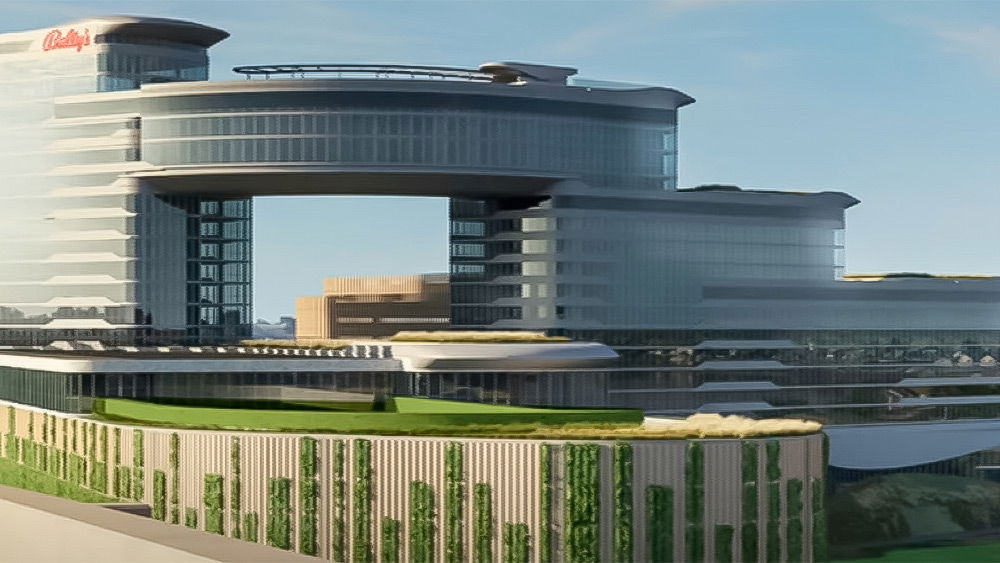
A state-appointed community panel advanced Bally’s $4 billion plan to build a casino on the site of the former Trump Golf Links at Ferry Point in the Bronx on Monday morning, while later in the day, a separate panel struck down a $3 billion proposal for Coney Island.
The Bronx committee voted 5-1 in favor of Bally’s plan, which calls for a 500,000-square-foot casino, a 500-room hotel, a 2,000-person event center, and parking for 4,660 vehicles. Support came from representatives of Gov. Kathy Hochul, Mayor Eric Adams, Borough President Vanessa Gibson, State Sen. Nathalia Fernandez, and Assemblymember Michael Benedetto.
The sole opposing vote was cast by Councilmember Kristy Marmorato’s appointee, Danielle Volpe, who warned the project was a grab by “big-moneyed interests” that would fuel traffic, crime, and instability in the neighborhood.
“The question is whether the collective benefits for the Bronx — jobs, revenue, investment, and long-term economic mobility — outweigh the localized burdens, and whether those burdens can be mitigated credibly, forcibly, and transparently,” said committee chair Lisa Sorin, who voted in favor. “It is my judgment that support in the community exceeds operative opposition and that the benefits can outweigh harms.”
The approval follows a turbulent path for Bally’s. The City Council initially rejected the project after Marmorato labeled it “predatory development,” but Mayor Adams vetoed the decision, keeping the application alive. If selected for a state license, Bally’s would pay the Trump Organization $115 million, on top of the $60 million already spent acquiring lease rights to the city-owned golf course.
Former site of Trump Golf Links
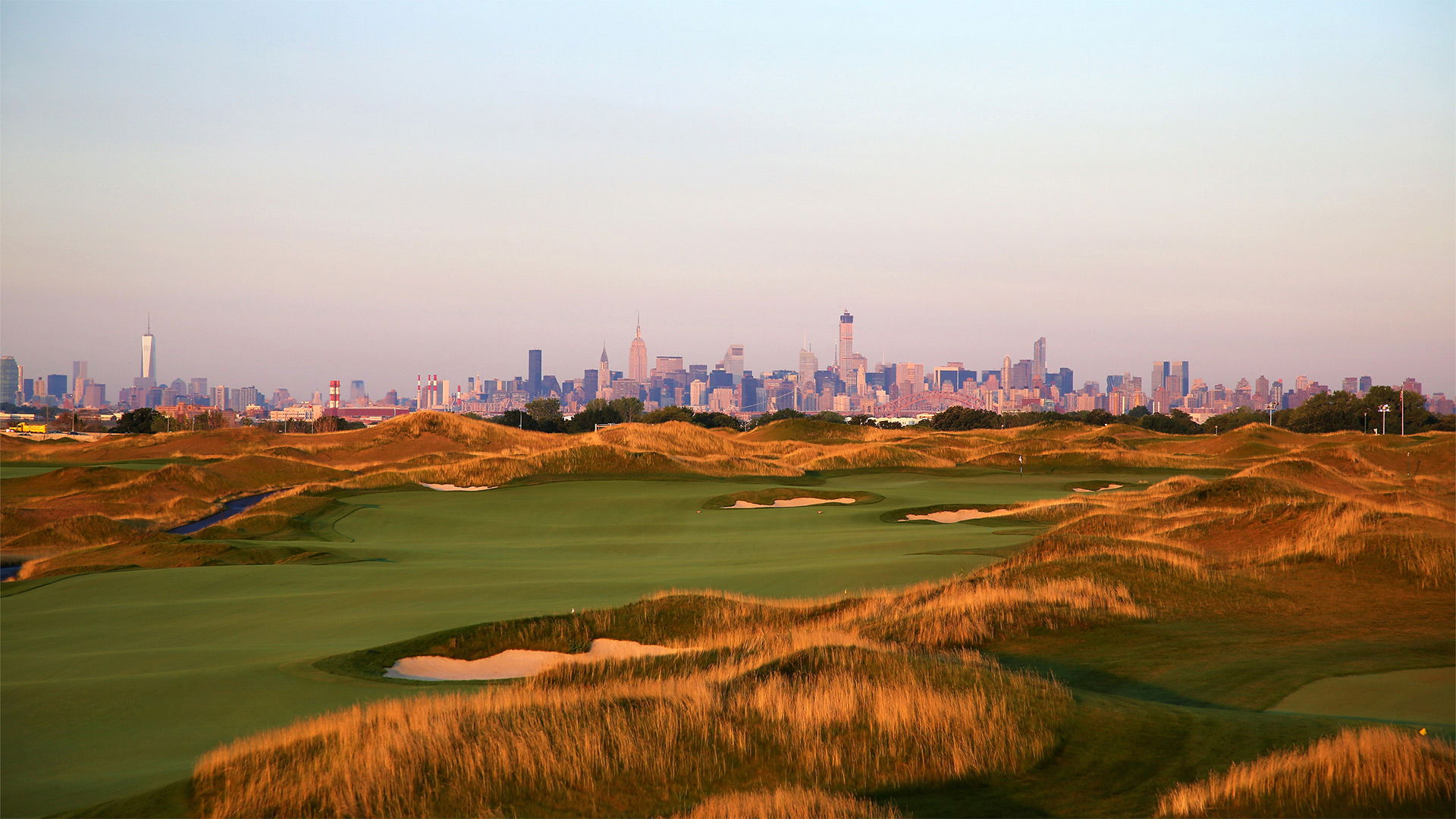
Still, the plan faces criticism from residents who oppose the alienation of Ferry Point Park land. At a public hearing, Co-op City resident Al Quattlebaum said, “Ferry Point Park is one of the few green spaces in The Bronx. Replacing it with a casino threatens the environment and takes away recreational space we all need.”
Bally’s has pledged $625 million in community benefits, including $100 million for parkland improvements, $75 million for infrastructure upgrades, and $10 million for a police substation. The company also offered to help keep a local Catholic school from closing.
“The affirmative vote is a signal that we have been able to address many of those concerns and now we look forward to the next steps of state selection,” said Bally’s chair, Soo Kim.
By contrast, the Coney Island proposal backed by Thor Equities was defeated 4-2. Appointees of Gov. Hochul and Mayor Adams voted in favor, while four members, including those appointed by Councilmember Justin Brannan, Borough President Antonio Reynoso, State Sen. Jessica Scarcella-Spanton, and Assemblymember Alec Brook-Krasny, opposed the project.
“Coney Island really makes up part of the soul of New York, and especially for the working people of this city, it’s an irreplaceable treasure,” said Marissa Solomon, Brook-Krasny’s appointee, who voted no.
The project, known as The Coney, envisioned a 1.6 million-square-foot casino complex with 230 table games, 4,500 slots, a hotel, a convention center, and an entertainment venue. Developers projected it would create 4,000 construction jobs, 4,500 permanent jobs, and generate $1.8 billion in annual gaming revenue. Thor Equities also pledged $200 million for community projects and emergency services funding.

Opponents argued the development would undermine the character of the neighborhood and normalize gambling in a community facing high poverty and rent burdens. “I really believe that a neighborhood with a large population of people who are living in poverty and who are rent burdened should not be hosting a casino,” said Coney Island resident Kouichi Shirayanagi.
The Coney Island vote was the latest in a string of rejections that earlier included three Manhattan casino bids. Projects in Yonkers and Queens have already secured unanimous approval and will advance to the state Gaming Facility Location Board, which is expected to make final selections in December. The last remaining proposal, Metropolitan Park at Citi Field, led by Mets owner Steve Cohen, is scheduled for a committee vote Tuesday.
Michigan judge rules Polymarket sports contracts fall outside CFTC authority

Pennsylvania gaming revenue hits record $625.5 million in May


Fast Track partners with Meridianbet to support customer engagement across 18 markets

SafeCasino named Best New Casino at AskGamblers Awards 2026

Star names former Bally's executive Ameet Patel dual CEO of Queensland integrated resorts

Digitain wins Platform Provider of the Year at SBC Awards Americas 2026

Real-time rewards: Why decision quality matters more than speed


Ready Play Gaming content set to go live via Nirmata Play


Zitro draws record operator attendance at fifth Zitro Experience Peru event

Peru Gaming Show wraps up with criticism of consumption tax and discussion of World Cup betting activity



