

Equalizing NY tribal and commercial casinos tax rates would reduce state revenues, study says

A new study commissioned by the Oneida Indian Nation analyzed the state and local tax rates paid by full-service casinos in Upstate New York. The report comes out as New York is undertaking its own study of all aspects of the state’s gambling industry, including a look at “equalizing” casino tax rates plus issue like mobile sports betting and opening new casinos downstate.
The Oneida-commissioned report contends that while casinos operated in New York by Indian nations pay a lower state/local tax rate on their gaming revenues, the actual payments to support all government services is essentially equal to the non-Indian, or commercial casinos.
Moreover, any attempt to make the state and local tax rates equal — presumably by lowering the non-Indian tax rates — would, in fact, reduce the overall revenues the casinos provide to state and local governments, the Oneida report found, as reported by NYup.com.
“It’s really a zero-sum game,” said Clyde Barrow, the gaming industry expert who authored The Pyramid Associates Report for the Oneida Nation. “You’re not going to increase revenues by decreasing these taxes.” He said Upstate’s racetrack-slot operations, called racinos, have already experienced declining revenues since the new commercial casinos started opening in 2016. And, he said, at least two of the commercial casinos have such heavy debt burdens that their priority if they get tax cuts would to pay those off, not grow or invest.
“When you give out tax reductions, you have no control over how they spend that money,” Barrow said. “I think the fundamental conclusion is that New York and the Northeast have essentially reached a saturation point (with casinos) and the problem is lack of effective demand for more gaming,” he said. “Reducing tax rates won’t effect demand.”
And, Barrow said, “There is not significant disparity between Indian and commercial (casino taxes) in New York, and the taxes paid by commercial casinos in New York are already lower than in most comparable areas."
Operators of the non-Indian or commercial casinos disagree with this stance. Brent Stevens, CEO of Pacific Entertainment, which owns del Lago Resort Casino near Waterloo in the Finger Lakes, believes the inequity in the gaming taxes presents an unfair advantage to the Indian nation casinos.
“The gaming taxes are, just looking at the numbers, unequal,” he said. A report that compares the whole roster of taxes and fees between commercial and Indian-operated properties would show “apples and oranges, or apples and pineapples," he said. “When you look at everything, we pay more.”
The commercial casinos, which have been struggling to meet the revenue forecasts they made when they got their licenses, are prepared to make investments that would improve their businesses — but need some gaming tax concessions to make that happen, Stevens said.
Del Lago has identified $50 million in capital improvements it can make to its entertainment and other amenities, he said. “That’s $50 million we can’t invest because of this tax inequality,” he said. Previous efforts by del Lago and other of the big commercial casinos to win state approval for tax cuts have been rejected.
Barrow, who wrote the Oneida report, is a Texas college professor who is also a principal in Pyramid Associates, a Massachussetts-based firm that specializes in analyzing the gaming industry. He’s conducted studies of Upstate gaming before -- most notably providing an almost dead-on accurate prediction in 2014 of the economic woes that were affecting the state’s new commercial casinos by 2018. Two of the casinos, including del Lago, continue to be hampered by debt trouble.
Many of the factors that weighed in on Barrow’s 2014 analysis inform his outlook on the casinos tax rate issue: an oversaturated Upstate gambling market in which casinos and other gaming facilities cannibalize each other.
In particular, the issue of the fairness of Upstate casino taxes also illustrates what he calls the state’s folly of locating so many casinos so far away from New York City. No big full-service commercial casinos operate in the city, although there are some successful smaller slot facilities and three potential full-service licenses that could be award there. “There just isn’t the market demand (Upstate), no matter what the taxes are,” he said.
Upstate New York is now home to 11 full-service, Vegas-style casinos (meaning they have slots, table games and poker, plus resort-style amenities like dining options, hotels, entertainment venues etc.)
Seven casinos are operated by three different Indian nations. Under agreements (or compacts) with the state, each pays a tax of 25 percent of the gross gaming revenues from their slot machines only. In return, the state grants each an exclusive multi-county region in which to operate casinos.
The Indian casinos are Turning Stone Resort Casino in Verona, Point Place Casino in Bridgeport and Yellow Brick Road Casino in Chittenango, all operated by the Oneida Indian Nation; Seneca Nation-owned casinos in Buffalo, Niagara Falls and Salamanca; and The Akwesasne Mohawk Casino Resort near Hogansburg in northern New York.
Since 2016, four non-Indian full-service resort casinos have opened across Upstate in areas not covered by the Indian nation exclusivity agreements with state. There are slightly different tax rates for each. Del Lago Resort & Casino, near Waterloo in the Finger Lakes, and Tioga Downs, in Nichols west of Binghamton in the Southern Tier pay the same: 37% of slot/electronic table game revenues and 10% of table games and sports betting revenue.
Resorts World Catskills near Monticello in Sullivan County, the largest of the four, pays 39% of slot/electronic table game revenues and 10% of table games and sports betting revenue.
Rivers Casino & Resort & Resort in Schenectady pays the most: 45% of slot/electronic table game revenues and 10% of table games and sports betting revenue.
Gaming revenues and tax payments by the non-Indian casinos are made public by the New York State Gaming Commission. Indian gaming figures and tax payments are not public, although Barrow had access to those numbers for the Oneida Nation. He said they fall in line with similar numbers he’s seen in his analysis of Indian and non-Indian gaming across the country.
The Pass Casino set for fifth ownership change as ECL expands on Water Street

Terrible's reaches deal to operate Primm casino properties following closure notice

FanDuel expands prediction market offerings through Crypto.com partnership

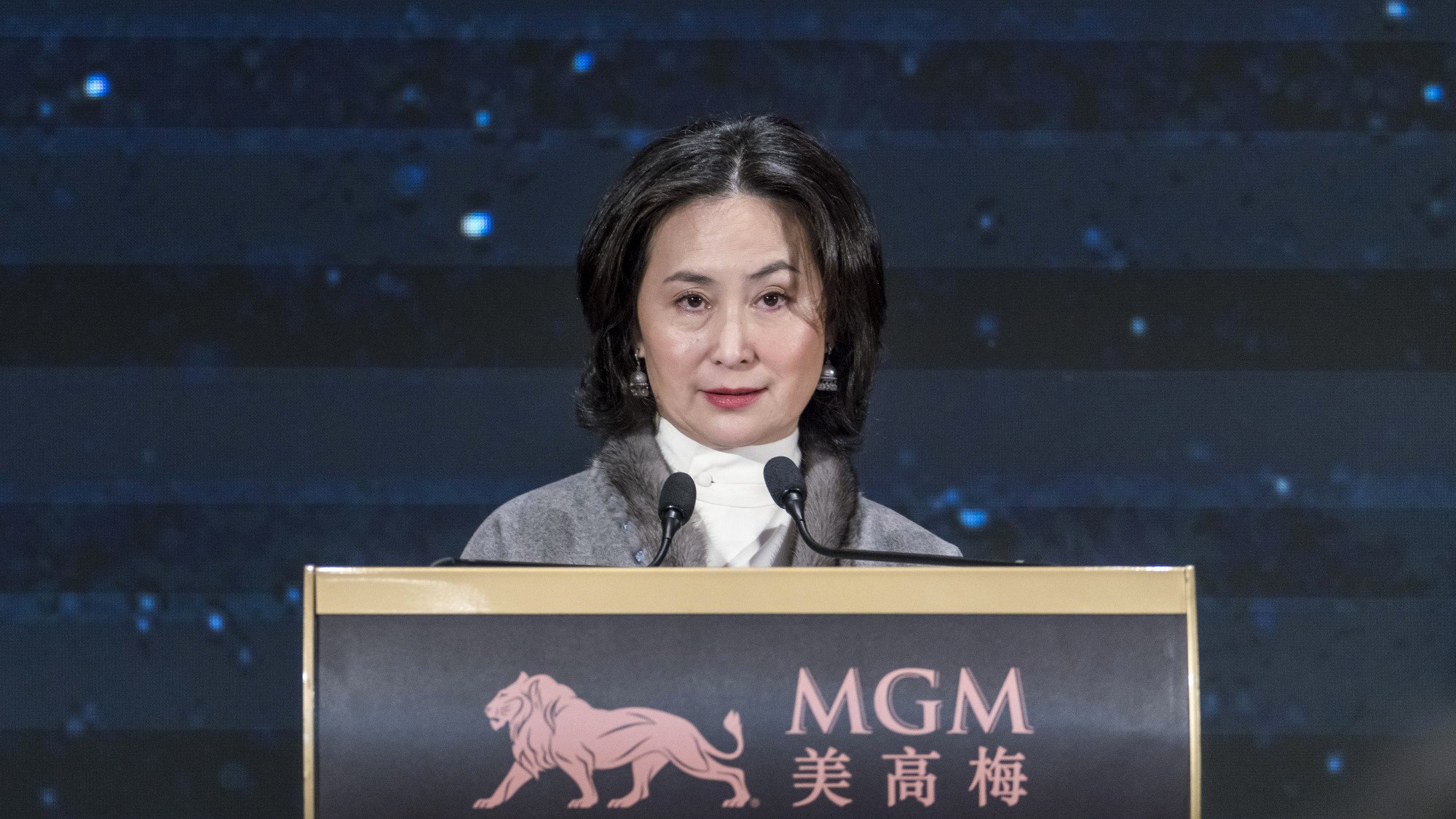
MGM China shares fall after Pansy Ho sells entire MGM Resorts stake

Gaming executive Patrick Ramsey appointed to board of IGT and Everi parent company

Fanatics markets expands Fanatics ONE loyalty program with FanCash for Trader

FairGambling enters crypto casino market with verification and analytics tools


Pidiots and the future of slot engagement: Why Slotmatic is building the intelligence layer behind the next generation of slots

Hub Affiliations awarded at Le Fonti Awards 2026 as Excellence of the Year for Innovation & Leadership in iGaming





Merkur Gaming showcases latest products, jackpot systems at Belgrade Future Gaming