

"Sports betting is going to be a tough sell in North Carolina"

When the Supreme Court justices recently struck down a 1992 federal law that banned sports betting across most of the country, many states took notice. According to the American Gaming Association, $150 billion is illegally spent on sports betting every year.
The association says California, with its plethora of pro and college teams, could make as much as $393 million annually in gaming taxes.
Delaware, Mississippi, Pennsylvania and West Virginia are just a few of the states that have started the process to legalize sports betting or develop regulations. Rhode Island’s governor counted on revenue from sports betting when proposing the 2019 budget.
The state that brought the case to the Supreme Court — New Jersey — expects to have a sports book running in weeks if not days.
Experts say the landscape will look different within five years. As many as 32 states could be open for business by then.
However, as reported by Greensboro the scenario is somewhat different in North Carolina. Like Alaska, Alabama, Hawaii, Ohio and a host of others, there are laws on the books that would need to be repealed or amended before sports betting could take place here.
Moreover, the state is known for conservative attitudes toward plenty of issues — gambling included. N.C. Senate leader Phil Berger of Eden and other legislators say they’ll have to look at their options, but don’t expect anything to happen this year.
Currently, gambling in North Carolina is limited to a statewide education lottery and a casino in Cherokee.
Our gambling statutes go back to 1891,” said Jeff Welty, an associate professor at the UNC-Chapel Hill School of Government. “We’ve got a pretty long uninterrupted history of not allowing gambling, but the world’s changing. That history can be set aside if the General Assembly chooses to do so.”
For some states, it will be an easy transition.
“The general consensus is that states that have a gaming infrastructure — pari-mutuel, racehorse betting, casino — those states will be ahead in the race a little bit,” said Donald J. Polden, a Santa Clara University law professor with an expertise in gaming. “The anticipation is there is going to be so much interest from those sources there will be legislative action pretty quickly.”
"It’s going to be a tough sell in North Carolina," admitted state Rep. John Faircloth, a High Point Republican.
Many of the region’s legislators believe the current short session of the General Assembly isn’t the right time to get into a gambling discussion. The long session in 2019 comes after the fall election and legislators are more likely to settle in for complex issues.
Faircloth, who owns horses and supports some types of betting on horse racing, understands the fears that people have about gambling.
"There’s one part of sports betting that’s at the back of many people’s minds and it’s the criminal element," he said.
Faircloth said he thinks the legislature would want to be sure any form of legal gambling remains separate from the actual sports teams and players.
“We sort of worship our sports figures and we want it to be pure and gambling sort of infiltrates sometimes,” he said.
State Rep. Pricey Harrison, a Greensboro Democrat, said she routinely votes against gambling legislation because it preys on people with addictions. However, she said she realizes that if nearby states — Virginia or South Carolina, for example — legalize sports gambling then North Carolina residents will take their dollars across state lines.
Still, she’s inclined to oppose expansion of gambling in the state. And she said a coalition of her fellow Democrats and Republicans feel the same.
“My knee-jerk reaction is it’s not good for the state and I’d hate to see us open up to the whole gambling industry in North Carolina. I think we’re better than that,” Harrison said. “Who knows how this will affect the integrity of the sports? I think it’s insidious.”
There are health experts who feel the same way. After the Supreme Court made its decision, it was hailed by doctors and researchers as an “important day” in the study of gambling addiction.
A variety of studies place the number of gambling addicts in America somewhere between 3 million and 5 million. And that’s before sports betting became legal across the country.
There’s a feeling among health professionals that the legalization of sports betting would create more addicts because of the ease and accessibility of placing bets at local sports book operations.
The big unknown — and driving a lot of fears — is what effect mobile betting will have, which gives gamblers a way to place a bet any time they want through their smartphones. Of special concern is the phenomenon of “in-game wagering,” which allows gamblers to bet — quickly and continually — on a number of different game outcomes ranging from running to passing to scoring.
State Rep. Cecil Brockman, a High Point Democrat, said he doesn’t have any “inherent problems with sports betting,” but he does have reservations about the addictive nature of gambling.
“Eventually the legislature is going to have to take a look at it,” Brockman said. “It’s a multibillion industry that would likely bring billions of dollars into the state and it’s very much needed at this point.”
State Rep. Jon Hardister, a Whitsett Republican, said the legislature will study the issue in the interim and make a recommendation for next year.
“It is possible that we will tax and regulate the industry,” Hardister said. “The good news is that we can look at other states for ideas on how to proceed.”
Place your bets
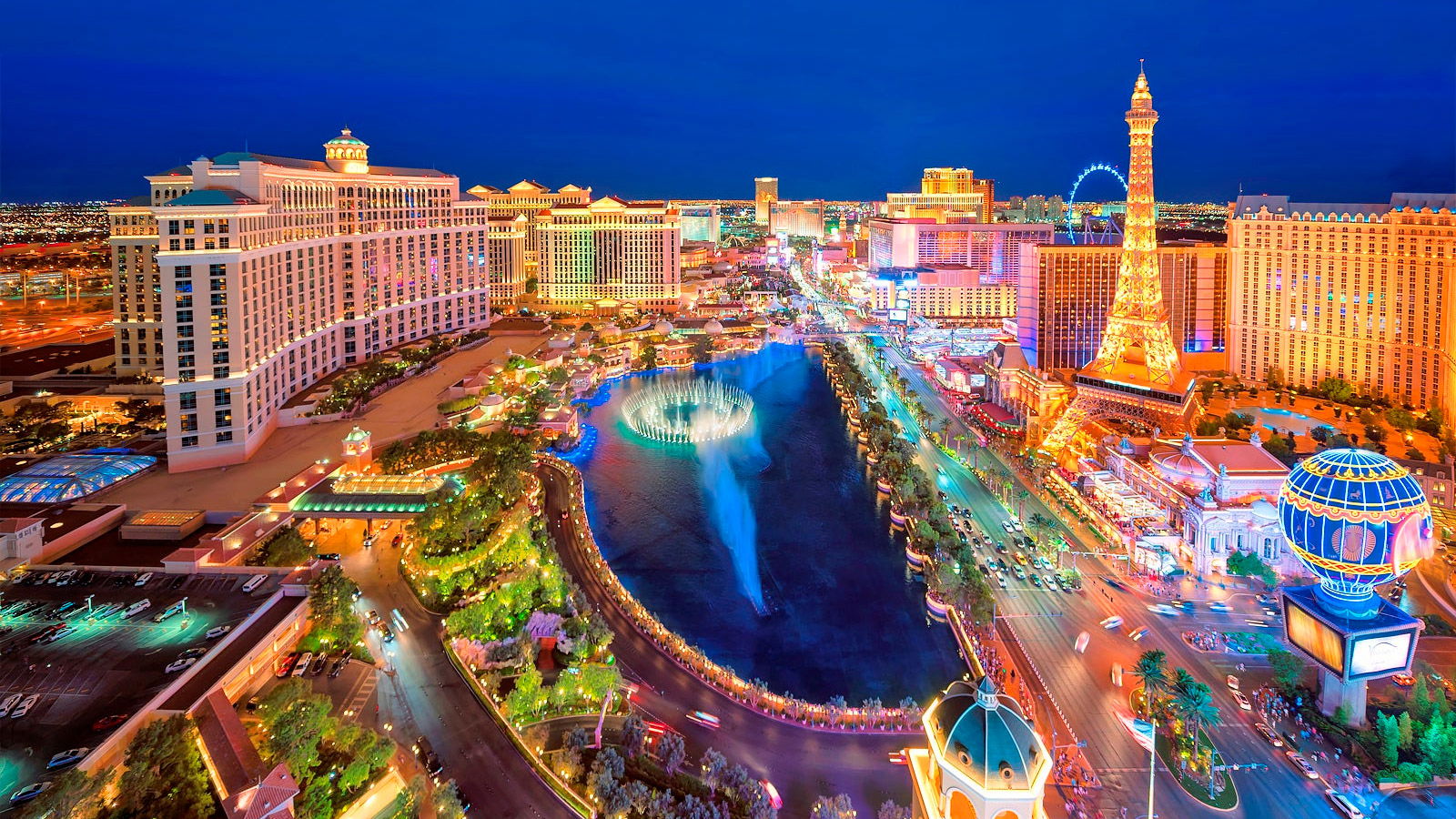
Currently, Nevada is the only state with legalized sports betting.
There, the industry handled $4.8 billion in wagering for 2017 and earned $248.8 million in revenue, according to the Nevada Gaming Control Board.
Fans can sit in the stands at Vegas Golden Knights hockey games and bet on the next slapshot using an app on their phones. Casinos have an array of monitors offering a variety of sports and bets on outcomes, point spreads and game developments.
In the immediate future, however, such states as New Jersey and Delaware will allow casinos to open sports book operations similar to Las Vegas.
“Down the road the idea is to bring everything to mobile wagering,” said Chris Sieroty, the U.S. editor for Gambling Compliance, an international company that provides research and reporting for the gaming industry. “Mobile’s where they want to go. What the business really wants is for you to be able to download an app on your phone, open the account, look on your phone and say, ‘The Panthers are playing the Steelers.’ ’’
Experts think for gambling to catch on in some states, especially conservatives ones like North Carolina, laws that will prevent excessive betting will be a prerequisite.
A few critics contend that the returns from sports betting, while consistent, may be more modest in states where attitudes toward gambling aren’t as progressive.
Something else to think about: The N.C. Education Lottery brought in $634 million in 2016. State revenues from sports betting, much of which would operate through private businesses, would be lower.
“Sports betting is not your golden ticket to fix your budget problems,” Sieroty said. “It’s a niche revenue generator.”
Eventually, many states will consider and certainly legalize some form of sports gambling.
In the meantime, North Carolina will move cautiously.
“A big part of the consideration is what are other states doing?” Welty said. “Are we standing on a principle that the world has passed by?”
Wisconsin governor begins tribal talks to advance online sports betting rollout

Hard Rock Bet rolls out Matthew Broderick-led campaign for sportsbook and casino

Nevada casino net income falls 34.8% following 81.2% drop on Las Vegas Strip

Comtrade Gaming partners with 7bet for Latvia, Estonia and Finland expansion

1spin4win launches charity initiative 'United for Impact' to support children's healthcare in Kenya

Win Systems appoints Ana Aniceto to lead Country Manager & Sales in Peru

Flutter to delist from London on 3rd August as NYSE remains main trading venue

Ready Play Gaming content set to go live via Nirmata Play


Pidiots and the future of slot engagement: Why Slotmatic is building the intelligence layer behind the next generation of slots


BetMGM, Kaizen Gaming and Sportradar lead winners at SBC Awards Americas 2026

Boomerang Partners launches second stage of Golden Boomerang Awards 2026



