

U.S. Department of Justice initiates USD 10 M civil forfeiture against Pojoaque Pueblo
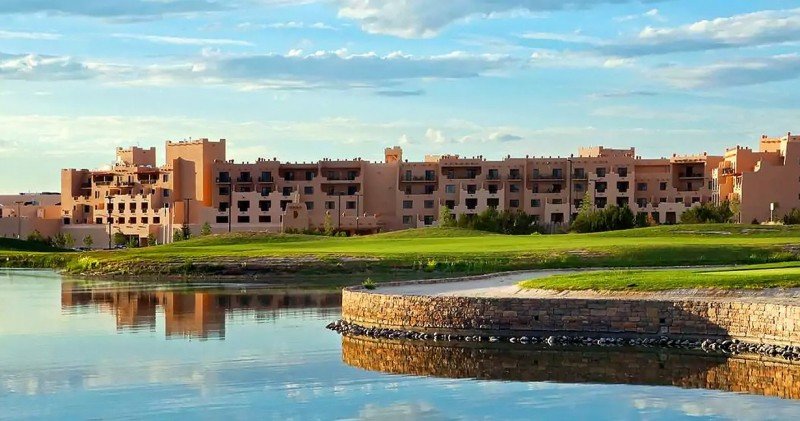
The decision to forfeit from Pojoaque Pueblo the amount of $10,1 million -collected in the two year period the tribe operated its three casinos without a compact with New Mexico- was made after a months-long dispute between the tribe and the state. The two parties could not agree on the share of earnings the State of New Mexico should receive from Pojoaque’s casinos which remained open after the previous compact expired in 2015. Back then, U.S. Attorney Damon Martinez allowed the tribe to keep the money in an escrow account until a new compact is signed.
The pueblo finally signed a new agreement with the state in 2017, but the revenue collected over these two years became the reason for a clash between the state government and the Pojoaque. The matter was settled on Friday when the U.S. Department of Justice announced that it considers the money proceeds from illegal gambling operations, thus, it has initiated a civil forfeiture process. The federal government has already seized the bank account where the revenue from Pojoaque’s three casinos was collected and it is approximately $10,1 million.
In a statement, Pojoaque Pueblo Governor Joseph M. Talachy said that he is disappointed with the decision of the Department of Justice. According to him, the gambling revenue in this bank account should be used for funding the pueblo’s education, healthcare and other needs.
Tribes in New Mexico have signed agreements with the state, the so-called compacts, which give them the right to operate gambling facilities in exchange for a portion of the revenue. The Pojoaque Pueblo became a federally recognized Indian Reservation in 1936 and under the previous compact, it had a monopoly over table games and could operate slot machines and race tracks. It also paid the state 8 per cent of the net win from casinos under the revenue sharing agreement.
When the compact expired in 2015, the tribe could not agree on the new terms the State of New Mexico had set and it did not sign the new document until August last year. The dispute between the two parties was mainly over the larger share of revenue the state demanded. Back in 2017, Talachy argued that the higher taxes would result in lost revenues for the pueblo in a time when the gambling industry in the region was in decline. State authorities replied that they only expected the Pojoaque to agree on the same terms the other pueblos in the state had already signed – those were seven pueblos, along with the Navajo Nation, the Jicarilla and Mescalero Apache.
However, the Pojoaque finally agreed to sign and over the new gambling compact, it is now required to pay the state 10.75 per cent of the net win generated from its casinos – Buffalo Thunder Resort, Cities of Gold Casino, and Jake’s Casino.
Bally's Chicago gets one-year extension to complete permanent casino project

World Cup weighs on Macau casino revenue as June gaming pace slows, Citigroup says


Soft2Bet wins SBC award for Industry Innovation of the Year in North America

California's Jamul Casino Resort brings in Marcus Lucero as Vice President of Casino Operations
BetMGM's Brazilian venture moves to acquire Bingão do Brasil in market expansion push

Comtrade Gaming partners with 7bet for Latvia, Estonia and Finland expansion


BGaming sets July date for second TRUE WAYS online conference

N1 Partners named finalist in three categories at G Gate Awards 2026

Boomerang Partners launches second stage of Golden Boomerang Awards 2026


