

New Jersey Senate President reveals plan to boost Atlantic City

The state-administered Casino Reinvestment Development Authority would also direct up to USD 30 million each year to cover city debt payments. However, the proposed plan would require schools and the municipality to make USD 72 million in unspecified cuts.
“Combined between schools and the municipal government in Atlantic City, it costs USD 377 million a year. That’s not sustainable.”
Atlantic City was previously the second-largest gambling hub in the US behind Las Vegas, but has suffered in recent times due to the evolution of gambling in neighboring states.
New Jersey also remains at the center of ongoing negotiations over the launch of a possible sports betting service.
The state had been due to launch the new service late last month, but the move was blocked by US District Judge Michael Shipp in response to a motion that was filed by four major North American sports leagues and the National Collegiate Athletic Association (NCAA). If the service is eventually launched, casinos and racetracks in the state will be able to offer sports betting services under the provision that bets are placed on events outside of the state to avoid conflict with a 1992 federal law.
Wisconsin governor begins tribal talks to advance online sports betting rollout

Hard Rock Bet rolls out Matthew Broderick-led campaign for sportsbook and casino

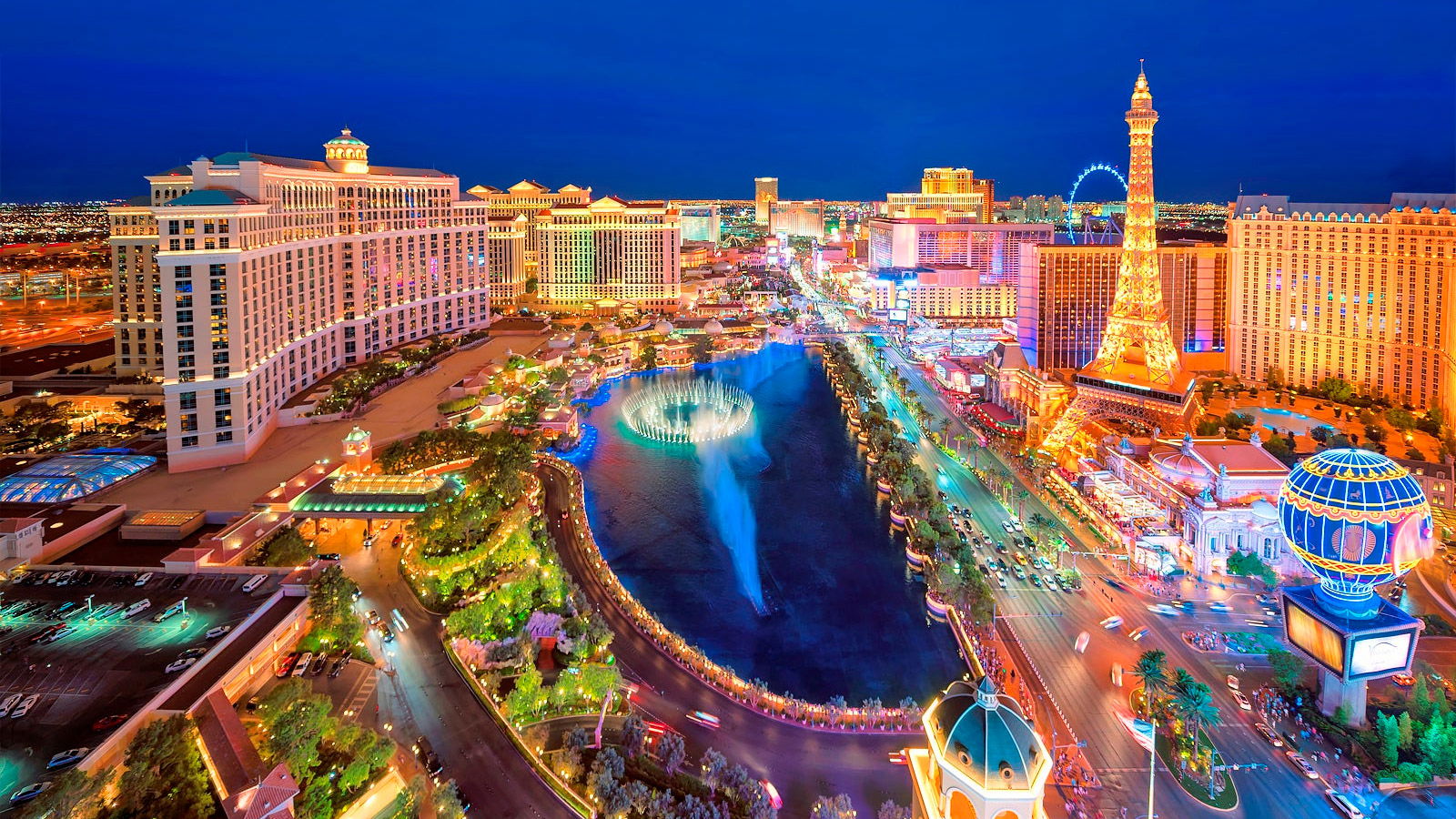
Nevada casino net income falls 34.8% following 81.2% drop on Las Vegas Strip

Comtrade Gaming partners with 7bet for Latvia, Estonia and Finland expansion

1spin4win launches charity initiative 'United for Impact' to support children's healthcare in Kenya

Win Systems appoints Ana Aniceto to lead Country Manager & Sales in Peru

Flutter to delist from London on 3rd August as NYSE remains main trading venue

Ready Play Gaming content set to go live via Nirmata Play


Hub Affiliations awarded at Le Fonti Awards 2026 as Excellence of the Year for Innovation & Leadership in iGaming


Day 1 of SBC Summit Americas spotlights prediction markets, AI and industry challenges

Boomerang Partners launches second stage of Golden Boomerang Awards 2026



