

SJM boosts spending on Macau casino resort to USD 3.9 billion

Scheduled to open in 2017, it will have three hotels with more than 2,500 rooms, including a luxury hotel in partnership with Italian fashion house Gianni Versace.
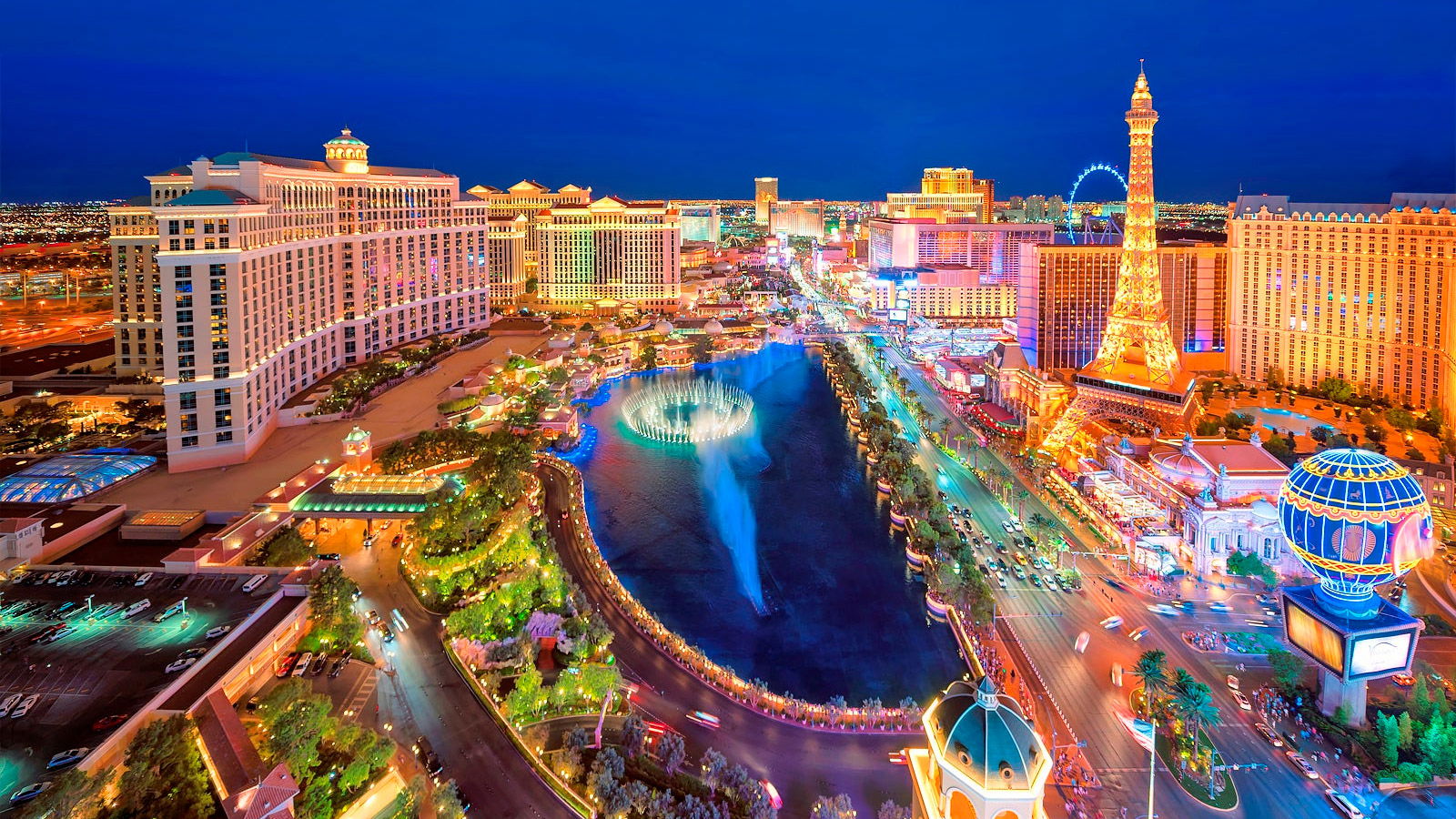
The company founded by Macau tycoon Stanley Ho is expanding in Cotai, Asia’s version of the Las Vegas Strip, to catch up with companies including Sands China and Galaxy Entertainment Group that have resorts there. SJM, which runs 20 of Macau’s 35 casinos, is the last of the Chinese city’s six operators to get government approval to build on the isthmus of reclaimed land that link the islands of Coloane and Taipa.
“We made the us$ 3 billion estimate about a year ago,” Ambrose So, Chief Executive Officer of SJM Holdings said at the press conference in Macau. “Now that the costs of construction materials and labor have risen, we believe a us$ 3.6 billion price tag is more realistic.”
Lisboa Palace will initially be built on a 70,500-square-meter site. The company plans to buy a stake in a neighboring plot controlled by Angela Leong, SJM’s executive director and a Macau legislator, to triple the size of the resort, Chief Executive Officer Ambrose So had said. The company will finalize the deal within this year, he said today.
French Theme
The resort was modeled after Versailles, according to WATG, the U.S.-based architectural design company employed for SJM’s project. Sands China’s Venetian Macao is modelled after the Italian city as is its parent’s Las Vegas casino, which was also designed by WATG. A French theme “resonates well” with customers from mainland China, Grant Govertsen, a Macau-based analyst at Union Gaming Group, said in a research note today. “Mainland consumers view Europe in general and France in specific as very aspirational destinations.”
SJM fell 1.6 percent in Hong Kong trading. The stock has climbed 20 percent in the past year, compared with a 4.5 percent drop for the benchmark Hang Seng Index. Sands China surged 62 percent while Galaxy more than doubled in the same period.
The 180,000-square-meter expansion site, which has been approved for non-gambling entertainment use, is owned by a company controlled by Leong, who is also the mother of Ho’s youngest children. Ho held a casino monopoly in Macau for four decades until 2002, when the government issued licenses to overseas operators such as Sands and Wynn Resorts.
SJM is following the competitors, which built restaurants, malls and family-friendly attractions in their resorts to draw middle-class holiday-makers from mainland China to Macau. Casino revenue in the city jumped 19 percent to us$ 45 billion last year, about seven times that of the Las Vegas Strip.
Zitro’s FANTASY Cabinet debuts at Bingo Moreno in Argentina

Nevada casino net income falls 34.8% following 81.2% drop on Las Vegas Strip
The Pass Casino set for fifth ownership change as ECL expands on Water Street


1spin4win launches charity initiative 'United for Impact' to support children's healthcare in Kenya

Flutter to delist from London on 3rd August as NYSE remains main trading venue

Comtrade Gaming partners with 7bet for Latvia, Estonia and Finland expansion

Win Systems appoints Ana Aniceto to lead Country Manager & Sales in Peru

Ready Play Gaming content set to go live via Nirmata Play


Pidiots and the future of slot engagement: Why Slotmatic is building the intelligence layer behind the next generation of slots


BetMGM, Kaizen Gaming and Sportradar lead winners at SBC Awards Americas 2026

Day 1 of SBC Summit Americas spotlights prediction markets, AI and industry challenges



