

Nevada Rep. Dina Titus warns sports contracts are testing the limits of U.S. gaming regulation
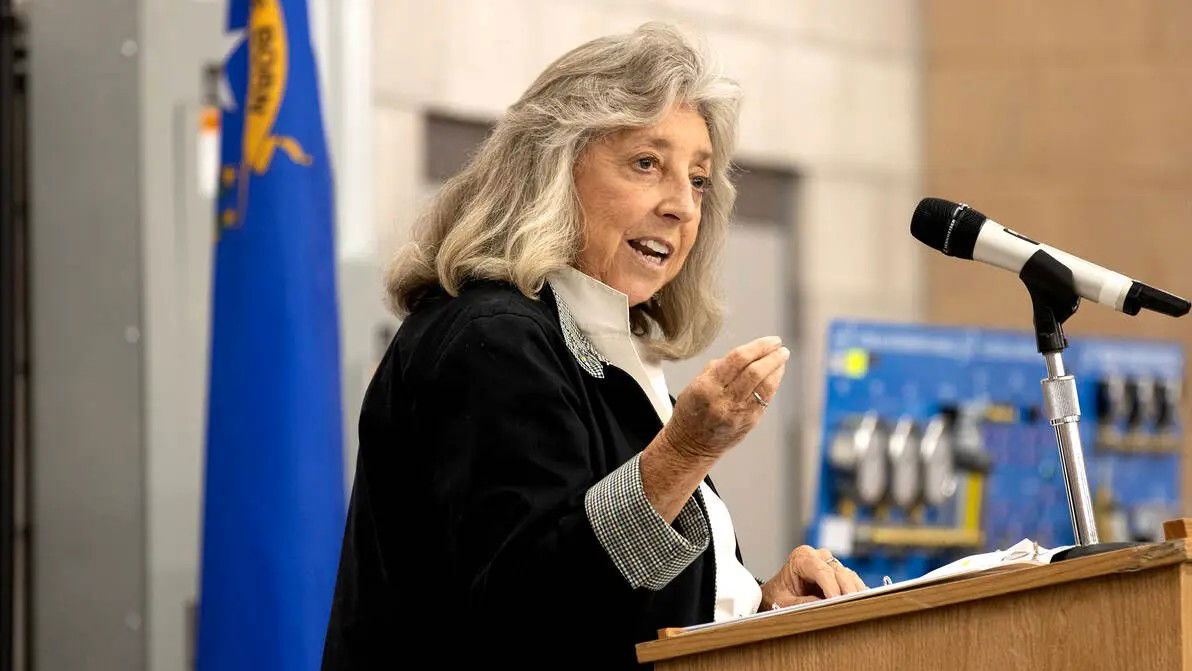
Nevada Rep. Dina Titus has renewed calls for federal action against prediction markets offering sports and casino-style contracts, arguing that the platforms are operating outside the state and tribal oversight systems that govern legal gambling.
Speaking Tuesday at the 19th Conference on Gambling & Risk Taking at Bellagio in Las Vegas, Titus, co-chair of the Congressional Gaming Caucus, said the gaming industry can no longer remain passive as new betting products and technologies expand.
“It used to be that gaming always played defense and kept its head down, hoping the federal government wouldn’t intervene, tax and regulate them,” Titus said. “With the spread of gaming, new technology, and different threats to the industry, gaming can no longer afford to do that.”
The University of Nevada Las Vegas' International Gaming Institute hosts the conference every three years, bringing together more than 500 researchers, regulators, academics, professional gamblers, and industry participants from more than 25 countries.
Titus said prediction markets were not authorized by Congress or by the U.S. Supreme Court’s 2018 decision that struck down a federal sports betting ban and allowed the sector to expand to 38 states and Washington, D.C.
She said platforms offering contracts linked to sports outcomes are bypassing safeguards required of licensed operators, including anti-money-laundering protocols, age checks, responsible gaming standards, and state licensing.
Titus has introduced the Fair Markets and Sports Integrity Act, which would prevent platforms such as Kalshi and Polymarket from offering contracts tied to sports and casino-style games without state licenses. Prediction market operators have claimed authority under the Commodity Futures Trading Commission, a position opposed by states and tribal gaming operators.
“This isn’t trying to stifle innovation or stop competition,” Titus said. “It’s simply that if you want to offer sports betting or any kind of casino betting, there has to be a level playing field.”
Titus questioned whether the CFTC has the expertise or resources to oversee gambling. She also said sports betting integrity monitoring, used by legal sportsbooks to detect unusual betting patterns and prevent scandals, would not operate effectively in an unregulated market.
Titus has also introduced the Fair Bet Act in Congress, which would restore the full deduction on gambling losses after it was reduced from 100% to 90%. She also backed raising the slot tax threshold to $5,000 after its recent increase to $2,500.
She also supports the Discriminatory Gaming Tax Repeal Act, which would repeal the 0.25% excise tax on sports wagering, saying the Treasury Department does not know where the money goes or how it is used.
Titus said Nevada remains a model for gaming regulation and that public confidence depends on fair games, accountable operators, consumer protection, and the integrity of competition.
Kentucky Attorney General sues Kalshi, Polymarket, and VGW over alleged illegal gambling

California and Minnesota AGs push back on CFTC over prediction markets

Michigan judge rules Polymarket sports contracts fall outside CFTC authority


Entain reportedly considering sale option for CEE Venture as UK gambling tax costs mount

Fast Track partners with Meridianbet to support customer engagement across 18 markets

SafeCasino named Best New Casino at AskGamblers Awards 2026

Digitain wins Platform Provider of the Year at SBC Awards Americas 2026

Real-time rewards: Why decision quality matters more than speed


Ready Play Gaming content set to go live via Nirmata Play


Peru Gaming Show wraps up with criticism of consumption tax and discussion of World Cup betting activity

Zitro draws record operator attendance at fifth Zitro Experience Peru event



