

AGEM outlines impact of new $2,000 gambling tax threshold, urges coordinated implementation
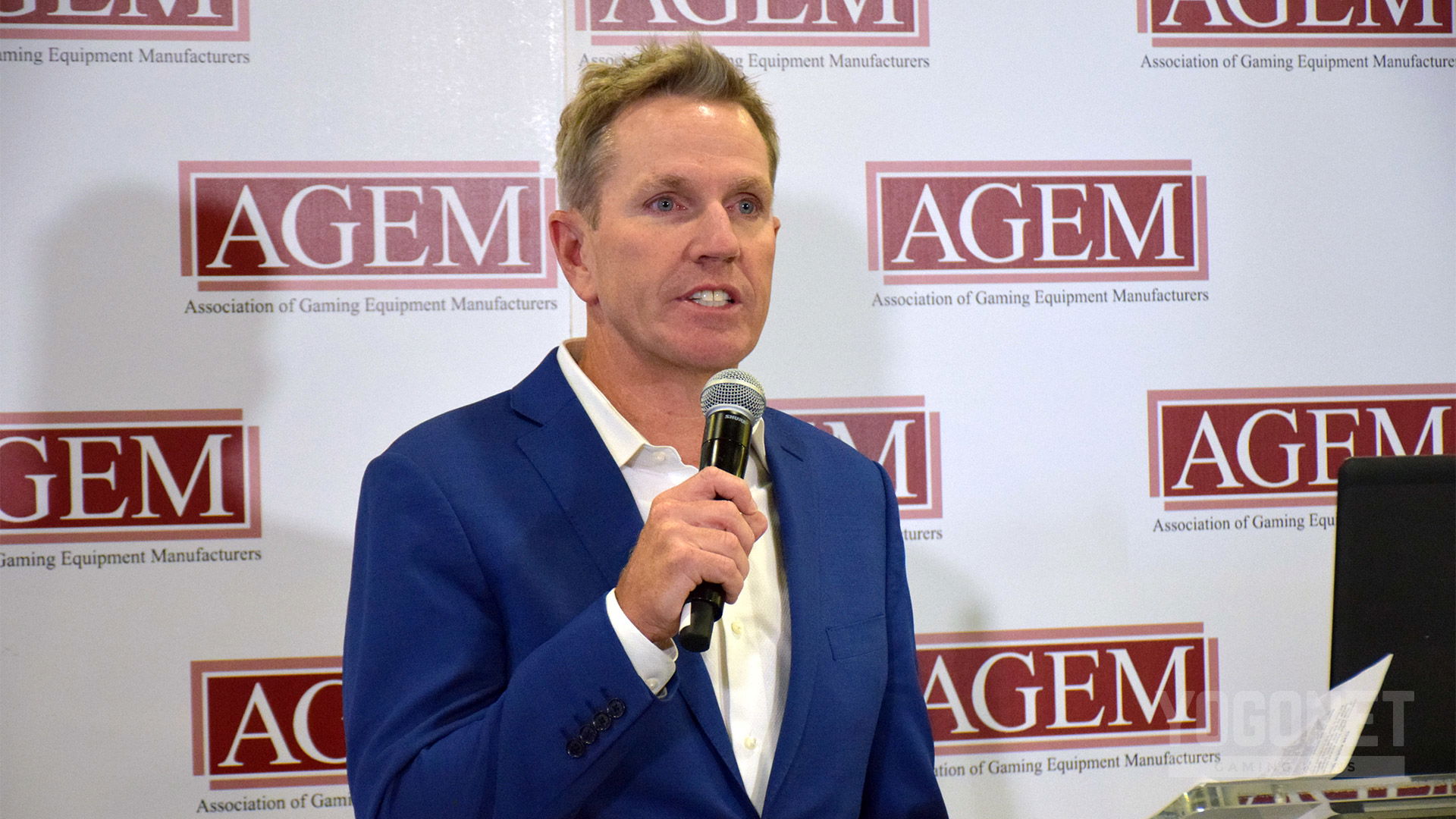
The Association of Gaming Equipment Manufacturers (AGEM) has released an informational letter to industry stakeholders outlining the implications of new federal tax reporting thresholds for gambling winnings, following changes enacted under the One Big Beautiful Bill Act (OBBBA). The updates officially took effect on January 1, 2026, marking the first adjustment to certain federal reporting limits in decades.
Under the new law, the reporting threshold for gambling winnings subject to Form W-2G has increased from $1,200 to $2,000, with a mechanism in place for future inflation-based adjustments. The change is intended to modernize tax compliance and better reflect the realities of today’s gaming operations, while reducing administrative burdens on operators and players alike.
In its January 5 letter, AGEM said the updated thresholds represent a positive step for the regulated gaming industry, but stressed the importance of clear communication and coordinated implementation across suppliers, operators, and regulators. The association noted that it fully supports the American Gaming Association’s (AGA) efforts to engage with the U.S. Treasury Department and the Internal Revenue Service (IRS) on the rollout of the new requirements, including guidance, rulemaking, and updated tax forms.
AGEM also welcomed the IRS’s release of a draft 2026 tax withholding form in December 2025, calling it an important milestone in the implementation process. However, the supplier group cautioned that further regulatory actions may still be required throughout 2026 and beyond, particularly as inflation adjustments and potential legislative changes could continue to raise the reporting threshold in future years.
Despite the federal update, AGEM emphasized that many state and local jurisdictions have not yet aligned their rules with the new $2,000 threshold. Several states still require withholding and reporting at the previous $1,200 level, either through statute or regulation, including requirements tied to child support enforcement and other public policy considerations.
"To date, none of those amounts have been revised or changed and remain in place, meaning licensed suppliers are obligated to comply with those reporting thresholds until amended, regardless of changes made in the Act," AGEM said.
According to the association, this regulatory fragmentation creates operational complexity for gaming suppliers, many of which must update software and hardware across hundreds of jurisdictions, each with distinct compliance requirements. The association urged operators and regulators to proactively communicate their expectations and timelines to supplier partners, allowing sufficient time for testing, certification, and regulatory approval of system updates.
“Given the scale, scope, breadth, and impact of these forthcoming changes, it is foreseeable that inadvertent mistakes or unintentional errors could occur during this multi-month process,” AGEM stated, calling for a cooperative and pragmatic approach from regulators as the industry adapts. The organization encouraged stakeholders to work collaboratively throughout 2026, rather than treating implementation challenges as enforcement opportunities.
The AGEM letter builds on advocacy efforts led by the AGA, which has long argued that the $1,200 slot jackpot reporting threshold—unchanged since 1977—has failed to keep pace with inflation. In correspondence sent last year to Treasury and IRS leadership, the AGA highlighted that the inflation-adjusted equivalent of the original threshold would exceed $6,600 today, and that outdated limits have created unnecessary compliance burdens for casinos, regulators, and the IRS itself.
While both AGEM and the AGA welcomed the increase to $2,000 as meaningful progress, they continue to support mechanisms that allow for future adjustments to prevent the threshold from again becoming outdated. Industry groups have reiterated their willingness to provide technical expertise and operational insight to federal agencies as implementation continues.
AGEM concluded its letter by reaffirming its commitment to serving as a resource for regulators and operators, with the shared goal of strengthening the U.S. regulated gaming industry and ensuring that the benefits of the new law are realized with minimal disruption.
AGEM names David Lucchese and Marcus Prater as 2026 Memorial Award Winners

Michigan judge rules Polymarket sports contracts fall outside CFTC authority

California and Minnesota AGs push back on CFTC over prediction markets


Entain reportedly considering sale option for CEE Venture as UK gambling tax costs mount

Fast Track partners with Meridianbet to support customer engagement across 18 markets

SafeCasino named Best New Casino at AskGamblers Awards 2026

Digitain wins Platform Provider of the Year at SBC Awards Americas 2026

Real-time rewards: Why decision quality matters more than speed


Ready Play Gaming content set to go live via Nirmata Play


Zitro draws record operator attendance at fifth Zitro Experience Peru event

Peru Gaming Show wraps up with criticism of consumption tax and discussion of World Cup betting activity



