

Fecoljuegos: “2025 was a year of profound challenges, but also of strategic victories”
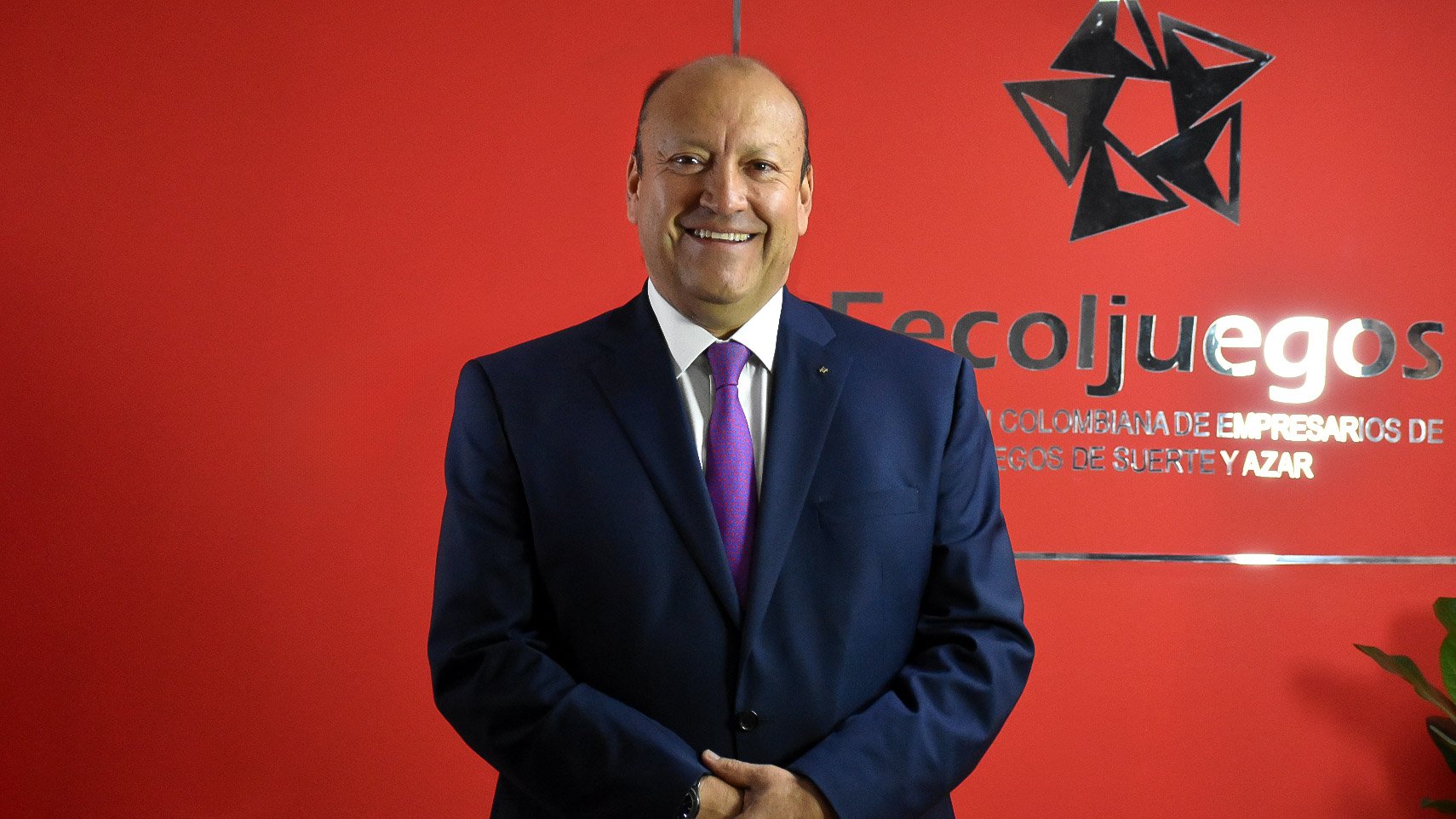
Colombia’s gambling industry faced a challenging period in 2025, shaped by regulatory changes that temporarily introduced a 19% VAT on online gambling deposits to support the emergency response in the Catatumbo region at the start of the year.
While the measure created a period of uncertainty, it also prompted trade associations to align and set out the sector’s technical realities. Evert Montero Cárdenas, President of the Colombian Federation of Gaming and Gambling Entrepreneurs (Fecoljuegos), spoke exclusively with Yogonet, outlining how that effort unfolded, what it has meant for the industry, and the key challenges ahead in 2026.
What assessment can you make of what 2025 was for Fecoljuegos?
2025 was defined by one of the most intense and decisive periods of technical advocacy, institutional engagement and strategic sector defence led by Fecoljuegos.
From the very start of the year, the Federation had to confront the significant impact of imposing 19% VAT on deposits — a regressive measure, technically unworkable and profoundly damaging to the industry’s sustainability.
Fecoljuegos maintained continuous, rigorous engagement with the National Government, ministries, DIAN, Coljuegos, members of Congress, legislative bodies, research centres, the media and public opinion, demonstrating through figures, models and evidence the disruptive effects this measure can generate — for operators, for health-system resources and for efforts to curb illegal gambling.
In parallel, an important result was achieved: preserving the existing collection scheme for localised operations, preventing the Government’s intention to impose a substantial increase in exploitation rights — an increase that would have made formal business unviable and undermined the operation of localised games. This firm, technically grounded and responsible defence, stands among the Federation’s most significant achievements of the year.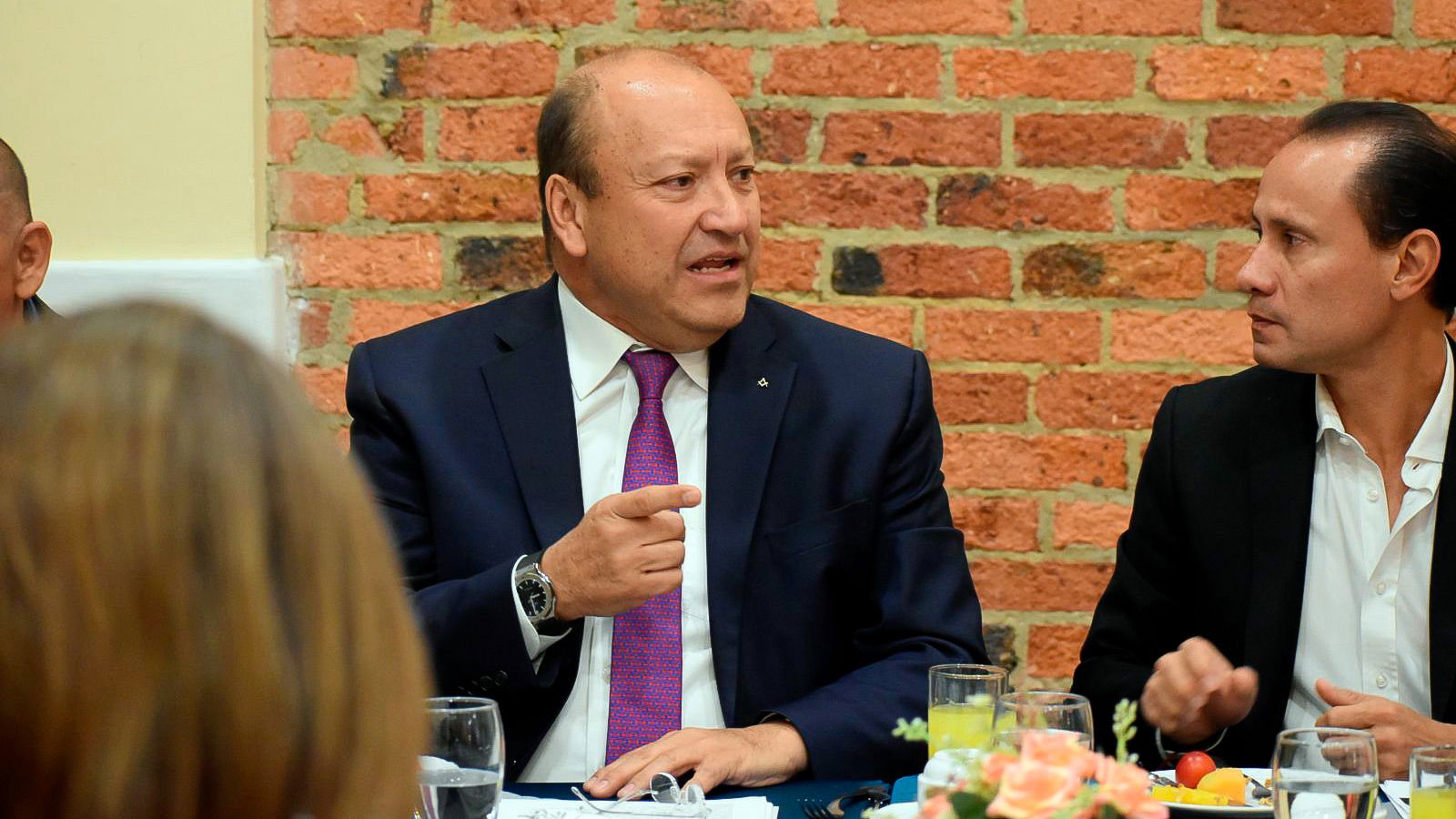 From a legal and regulatory standpoint, Fecoljuegos acted with discipline and precision to address the principal risks arising from bills, decrees and fiscal proposals that threatened operational stability. Through technical analyses, expert opinions and submissions supported by economic and legal reasoning, the Federation helped contain harmful measures and open more informed and responsible channels of dialogue with the State. Ongoing support for operators in specific processes, combined with collective trade association defence, further consolidated the Federation’s technical credibility.
On the administrative and institutional front, Fecoljuegos strengthened its internal capacity by improving regulatory monitoring and enhancing coordination across its legal, financial, accounting, responsible gambling and technology committees. This enabled more agile and transparent management, more closely connected to the sector’s day-to-day realities.
In communications, the Federation deployed a coherent strategy to counter misinformation, highlight the industry’s economic and social contribution, explain the reality of the effective tax burden, and reinforce the sector’s commitment to responsible gambling. Sustained media engagement, technical spokespersonship and educational initiatives helped regain ground against stigma and entrenched misconceptions.
The year also saw progress in training and business strengthening, with programmes aimed at operators, leadership teams, employees and strategic partners, focused on regulation, compliance, risk prevention, innovation, international trends and best practices.
Although 2025 brought material risks and impacts — including regulatory uncertainty, fiscal pressure, the expansion of illegal gambling and tensions with certain State entities — these pressures only reinforced the case for more technical regulation, more efficient taxation and a better balanced, modern control system.
Despite the difficulties, the achievements were significant: a more unified trade association stance; successful defence against initiatives that would have jeopardised industry viability; stronger engagement with Government and Congress; reputational gains for the regulated sector; and improved international positioning. The creation and promotion of FIJA also opened a new chapter for regional coordination and international cooperation.
In short, 2025 was a year of profound challenges, but also of strategic victories that underscore Fecoljuegos’ technical strength, leadership and commitment to Colombia, to legality, and to the development of a responsible, sustainable and competitive industry.
Which piece of news or event in the gambling industry do you consider the most important of the year that is ending, and why?
Without question, the defining development for the online gambling industry was the introduction of 19% VAT on players’ deposits. It marked a turning point for the sector — not only because of its immediate impact on operations, but also because of the stronger structural effects on the regulated model’s sustainability and on competitive balance in the face of illegality.
Taxing the deposit — rather than the actual value added generated by the operation — represents a regressive and technically flawed approach that fails to reflect the economic nature of online gambling. In practice, it pushes the effective tax burden to levels that threaten the viability of formal operators, putting at risk the continuity of companies that comply with the law, pay exploitation rights, create jobs and contribute essential resources to Colombia’s healthcare system.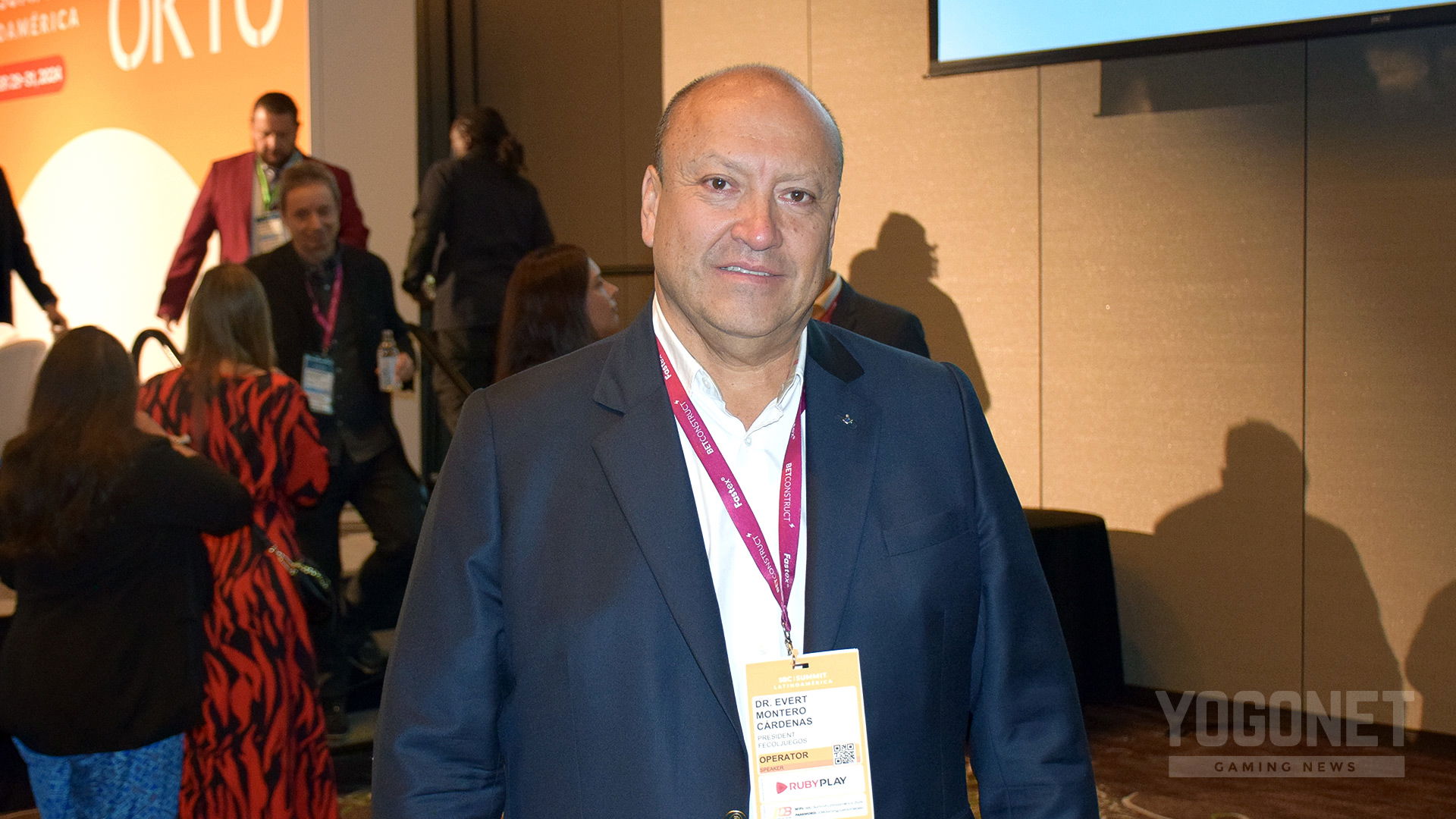 More concerning still is the direct consequence: the accelerated strengthening of illegality. By raising the cost of formal play disproportionately, consumers are nudged towards illegal platforms that do not pay taxes, do not contribute to health funding, do not meet technical standards and pose real risks to users. It is a measure that, rather than reinforcing the regulated model, weakens it; rather than expanding public resources, it can reduce them; rather than improving control, it can fuel unregulated growth.
For that reason, it became the central focus of warnings, trade association action, technical work and national debate. It is not merely a sectoral issue; it is a matter of public policy. It affects not only companies, but also the State, the healthcare system and citizens. It also demonstrates the need to build a modern, proportional and sustainable tax model that combats illegality — not one that inadvertently rewards it.
What expectations does the Federation have for 2026?
Looking ahead to 2026, Fecoljuegos has clear expectations regarding the challenges the industry will face. Colombia will enter a political juncture marked by a change of government — a scenario that calls for constant vigilance and rigorous educational engagement, to inform and support new authorities on the sector’s technical, financial and operational realities.
Risks remain, driven by persistent misunderstandings about the business model and the sector’s relevance to the economy, investment and healthcare funding. Our priority will be to ensure that decisions are grounded in data, evidence and economic rationality.
2026 will also be shaped by debate around a new tax reform. We hope this discussion takes place with technical depth and with a clear understanding that the industry requires fair, appropriate and sustainable taxation. The goal should be a fiscal structure consistent with the dynamics of both online and localised games, avoiding excessive burdens that put formality, investment and stability at risk.
We also trust that 2026 will further consolidate a modern, evidence-based view of the sector — one that recognises the importance of strengthening it, clarifying how it operates, and ensuring clear rules for those who act legally. This is an industry that generates employment, technology, innovation and essential resources for healthcare, and it needs conditions that enable it to endure and continue to grow.
Likewise, we expect decisive, coordinated progress in the fight against illegality. A robust response to unauthorised platforms and clandestine operations in physical establishments must become a State priority. Without determined action against illegal gambling, there can be no meaningful competitive balance, consumer protection or legitimate sector growth.
Finally, we hope the new Government, alongside legislative and regulatory authorities, recognises the importance of guaranteeing legal certainty, financial stability and a modern regulatory framework. Our objective for 2026 is clear: to keep building a solid, formal, transparent and competitive industry — one that continues to contribute to the country and is equipped to face the challenges ahead with responsibility and a forward-looking approach.
What would be the formula for finding a balance between imposing VAT on gambling and the industry’s sustainability and transfers to the healthcare sector?
Regulated gambling is not an infinite source of revenue; it is an industry that requires major technological investment, operates with complex cost structures and has real, limited margins.
That balance is only achievable on the basis of accurate, undistorted figures — figures that reflect operators’ effective revenues and the sector’s economic realities. Public policy must be built on verified data, not on perceptions of “potential” revenue that does not exist in the business as it operates in practice.
For that reason, imposing VAT on a base that is not income — such as deposits in online gambling — distorts the model, ignores real margin structures and exposes legal operations to heightened risk from illegal competition.
Fecoljuegos and the sector’s business leaders have consistently expressed their full willingness to work with the Government on a genuine sustainability indicator — a technical, transparent and verifiable parameter that would make it possible to define fair, balanced and viable taxation, based on real income rather than on amounts that never become an operator’s resources. Such an indicator must ensure a win-win outcome for the State and the industry, recognising real economic capacity, the investments required and the need for continuity over time.
It is also essential to clarify a point that has generated misunderstanding: the games of chance sector does contribute to the State through taxation, but it does so under a special regime established by Law 643, where transfers to the healthcare system represent the principal fiscal burden. The fact that these transfers are not collected as VAT administered by DIAN does not mean the sector does not contribute; it means its contribution is made through its own regime, expressly designed by the legislator.
The real formula, then, is to move towards a model that taxes genuine margins and economic capacity, respects the nature of the business, preserves corporate sustainability, safeguards healthcare transfers, and strengthens the fight against illegality. That is the serious, technical and responsible discussion we will continue to drive in Congress in 2026.
"SBC Summit Americas is a great event because it gives us the opportunity to connect North America with Latin America"

Kalshi and AFA partner for 2026 World Cup sponsorship deal

Win Systems appoints Ana Aniceto to lead Country Manager & Sales in Peru


Soft2Bet wins SBC award for Industry Innovation of the Year in North America

BetMGM's Brazilian venture moves to acquire Bingão do Brasil in market expansion push

California's Jamul Casino Resort brings in Marcus Lucero as Vice President of Casino Operations

Flutter to delist from London on 3rd August as NYSE remains main trading venue

Ready Play Gaming content set to go live via Nirmata Play


Pidiots and the future of slot engagement: Why Slotmatic is building the intelligence layer behind the next generation of slots


Day 1 of SBC Summit Americas spotlights prediction markets, AI and industry challenges

BetMGM, Kaizen Gaming and Sportradar lead winners at SBC Awards Americas 2026



