

Las Vegas gaming revenue rises 5% to $1.35 billion even as tourism falls in October
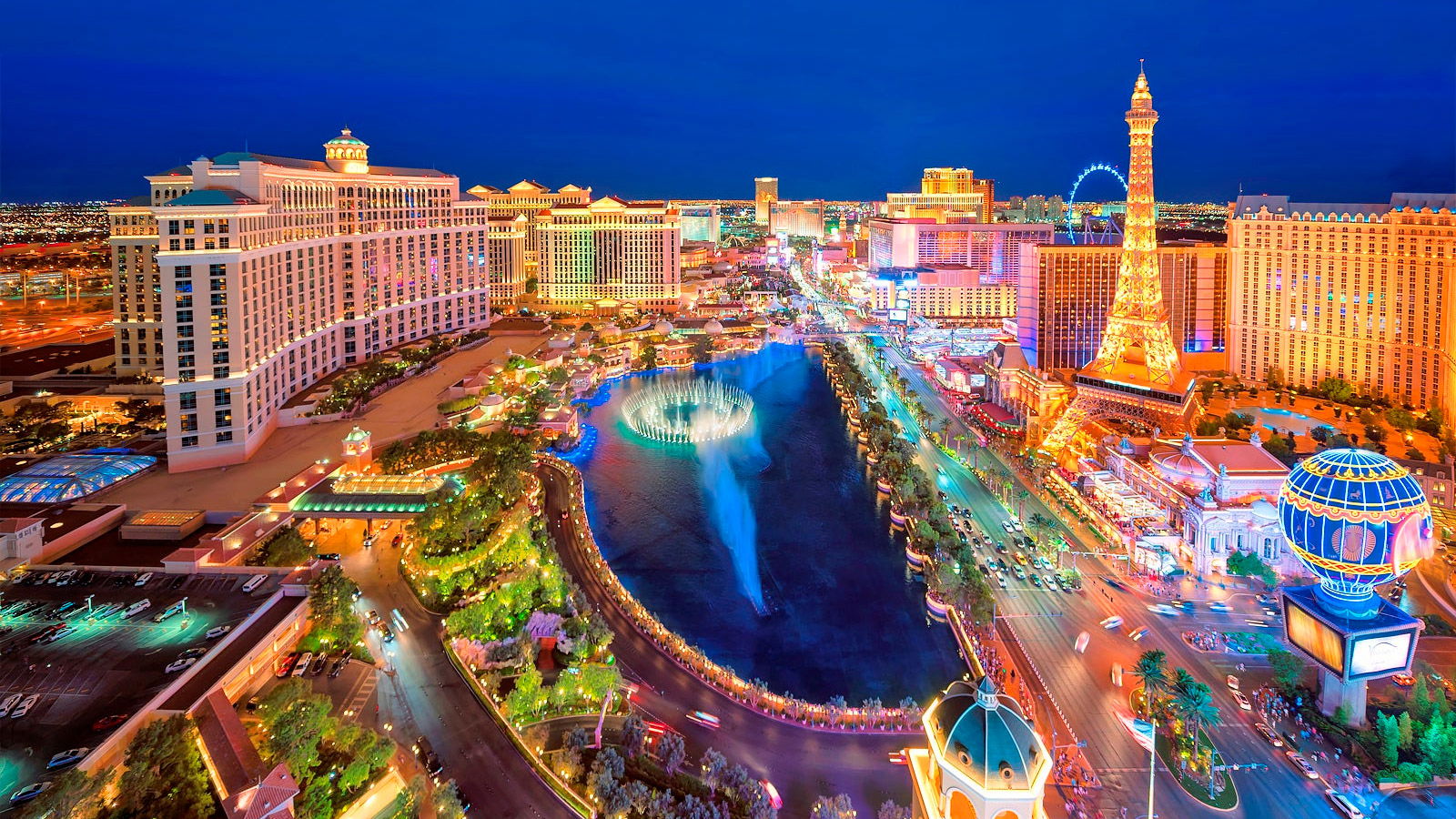
Nevada posted another month of strong gaming revenue in October, even as visitor volumes continued to weaken, underscoring a widening gap between high-end spending and broader tourism demand.
Statewide gaming win reached $1.35 billion, up 5% from a year earlier and marked the 56th consecutive month above the $1 billion threshold, the Nevada Gaming Control Board said. On the Strip, gaming revenue rebounded sharply after a soft September, rising 8% to about $748 million.
For the first four months of the fiscal year, Strip revenue is running 3.3% ahead of last year, putting the market on track for its fourth year-over-year gain in five years.
Analysts attributed the strong performance in part to a favorable monthly calendar - October had an extra Friday - and higher betting volumes across slot machines, table games, and baccarat. Deutsche Bank analyst Steven Pizzella said baccarat in particular benefited from “a better hold percentage.”
Despite the revenue strength, Las Vegas visitation fell 4.4% to 3.4 million, extending a 13-month streak without a year-over-year gain of more than 1%. The Las Vegas Convention and Visitors Authority (LVCVA) said it was also the 10th straight month of declining visitor totals.
Hotels reported softer fundamentals, with occupancy down 2%, average daily room rates falling 5.5% to $203.88, and revenue per available room sliding 7% to 8.2% depending on the dataset. Highway travel was flat at about 134,190 vehicles per day, while Harry Reid International Airport had yet to release monthly passenger figures.
Conventions provided a partial offset. Attendance rose 7.9–8% to 603,600, aided by schedule shifts and major events such as Oracle CloudWorld, which brought 30,000 visitors, according to LVCVA research director Kevin Bagger.
Performance varied across the region. Clark County gaming win increased 5% to $1.17 billion, but Downtown Las Vegas slipped 0.2% and the Boulder Strip fell 8.9%, the weakest submarket in October.
On the Strip, baccarat once again played an outsized role. Casinos won $116 million from the game, a 69% jump from last year and more than the total revenue of many regional markets.
Analysts say the data reinforces a pattern of fewer visitors but higher-spending guests, with wealthier travelers continuing to splurge while budget-conscious tourists keep a closer eye on their wallets or don’t come at all.
The third annual F1 Las Vegas Grand Prix arrived as tourism lagged. The race generated an estimated $1.5 billion in its debut year and just under $1 billion last year. LVCVA CEO Steve Hill told the Las Vegas Review-Journal that this year’s event should deliver “at least” $1 billion in economic impact.
MGM CEO Bill Hornbuckle acknowledged the construction disruptions tied to the race but said the international event has become critical to Las Vegas’ appeal. “For our high-end guests and our high-end corporate partners, it pays off,” he told the Review-Journal. The setup “may seem for three days that it’s kind of crazy, and it is, but it is all worth it, I can promise you.”
Pennsylvania gaming revenue hits record $625.5 million in May

Altenar: "The future sportsbook is real-time, personalized, and API-driven"


SafeCasino named Best New Casino at AskGamblers Awards 2026

Fast Track partners with Meridianbet to support customer engagement across 18 markets

Star names former Bally's executive Ameet Patel dual CEO of Queensland integrated resorts

Digitain wins Platform Provider of the Year at SBC Awards Americas 2026

Real-time rewards: Why decision quality matters more than speed


Ready Play Gaming content set to go live via Nirmata Play


DELULU Gaming names SOFTSWISS strategic technology partner for London soft launch dinner

Uplatform to showcase "iGaming supermarket" concept at iGB L!VE London 2026



