

US urges Supreme Court to reject Maverick Gaming petition, backs tribes’ sports betting exclusivity
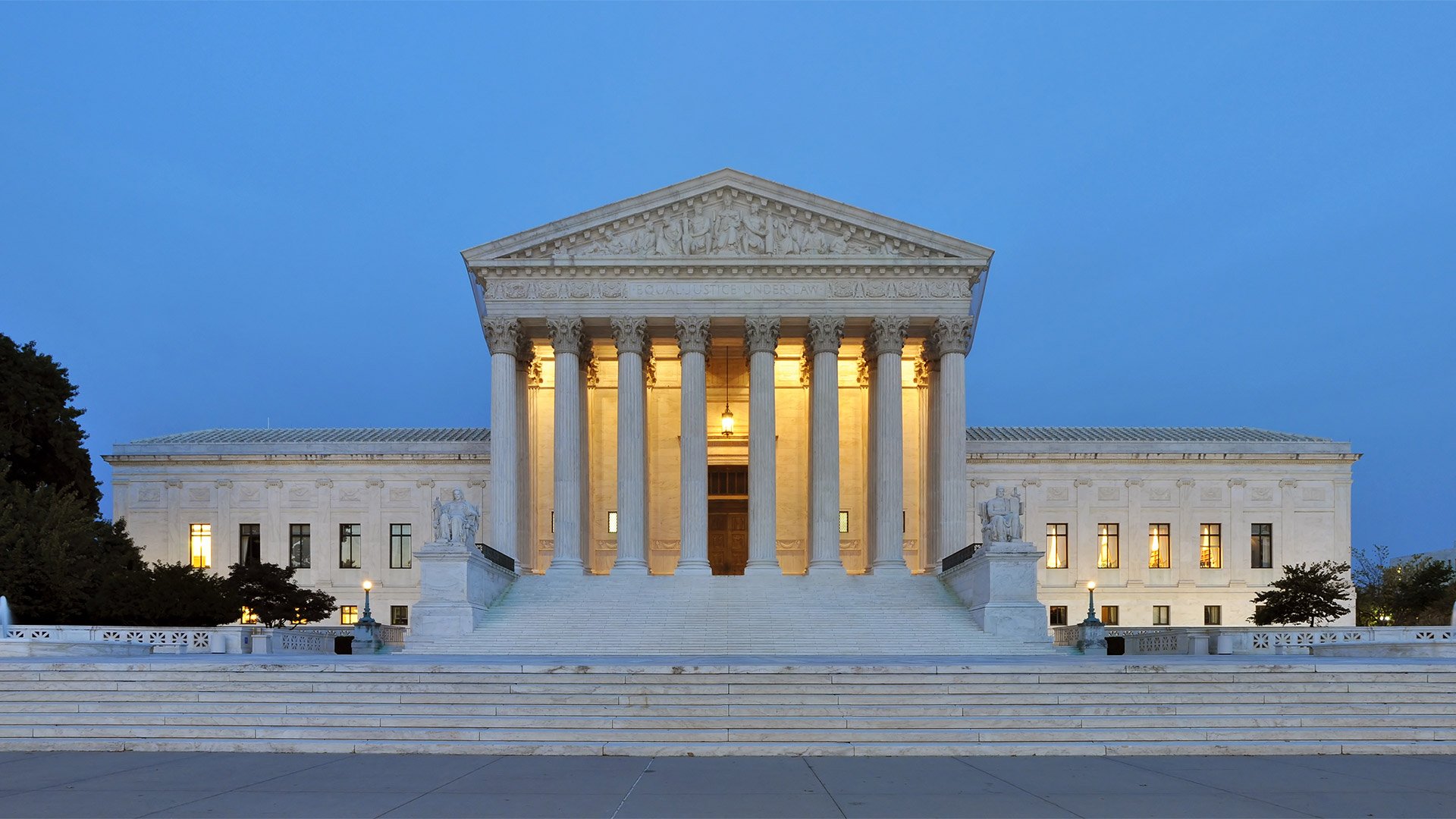
The U.S. Department of Justice has urged the Supreme Court to turn down Maverick Gaming’s challenge to Washington state’s tribal-only sports betting system, even as it acknowledged that lower courts misapplied the law.
In an August filing, the DOJ said the Ninth Circuit’s dismissal of Maverick’s lawsuit was based on “an erroneous understanding of Rule 19” of the Federal Rules of Civil Procedure. Still, it described Maverick’s appeal as “a decidedly imperfect vehicle,” citing the company’s Chapter 11 bankruptcy and its earlier concessions about tribal interests.
The case, Maverick Gaming v. United States (No. 24-1161), centers on whether Native American tribes can effectively block challenges to federally approved gaming compacts by invoking sovereign immunity. Washington lawmakers in 2020 limited sports betting to tribes, and within a year, 20 tribal compacts had been amended and approved. Maverick, which owns 19 cardrooms in the state, sued the Department of the Interior in 2022, calling the arrangement an “erroneous application of the Indian Gaming Regulatory Act.”
Federal courts sided with the Shoalwater Bay Tribe, which intervened in the case, ruling that tribes were “a necessary and indispensable party” under Rule 19 and that the lawsuit could not proceed without them.
The DOJ, while agreeing that the Ninth Circuit’s interpretation was flawed, argued that under the Administrative Procedure Act “the APA does not authorize relief against any party other than the agency.” It added that allowing tribes to derail such cases “undermines Congress’s judgment that a person aggrieved by final agency action should have access to judicial review.”
The department also noted that “no other court of appeals has endorsed” the Ninth Circuit’s approach, pointing to decisions in the D.C. and Tenth Circuits. But it stressed that Maverick had previously “conceded that the Tribe has a ‘legitimate interest in the legality of its gaming compact and sports betting amendment.’”
The dispute echoes parallel fights in California, where tribes argue cardrooms are infringing on their exclusive rights to house-banked games. A judge recently dismissed tribal claims against cardrooms, while state Attorney General Rob Bonta has proposed new restrictions that cardroom operators say could cost them $464 million annually.
Even if the justices deny review, the DOJ acknowledged that the Ninth Circuit’s doctrine may resurface. The issue of whether tribes can use sovereign immunity to block challenges to gaming compacts could return to the Supreme Court in future cases.
California and Minnesota AGs push back on CFTC over prediction markets

Kentucky Attorney General sues Kalshi, Polymarket, and VGW over alleged illegal gambling

Michigan iGaming and sports betting operators post $382.5M in May revenue


Entain reportedly considering sale option for CEE Venture as UK gambling tax costs mount

Fast Track partners with Meridianbet to support customer engagement across 18 markets

SafeCasino named Best New Casino at AskGamblers Awards 2026

Star names former Bally's executive Ameet Patel dual CEO of Queensland integrated resorts

Real-time rewards: Why decision quality matters more than speed


Ready Play Gaming content set to go live via Nirmata Play


Peru Gaming Show wraps up with criticism of consumption tax and discussion of World Cup betting activity

Zitro draws record operator attendance at fifth Zitro Experience Peru event

Uplatform to showcase "iGaming supermarket" concept at iGB L!VE London 2026


