

Brazil weighs retroactive tax charges on sports betting firms, potentially raising $2.3 billion

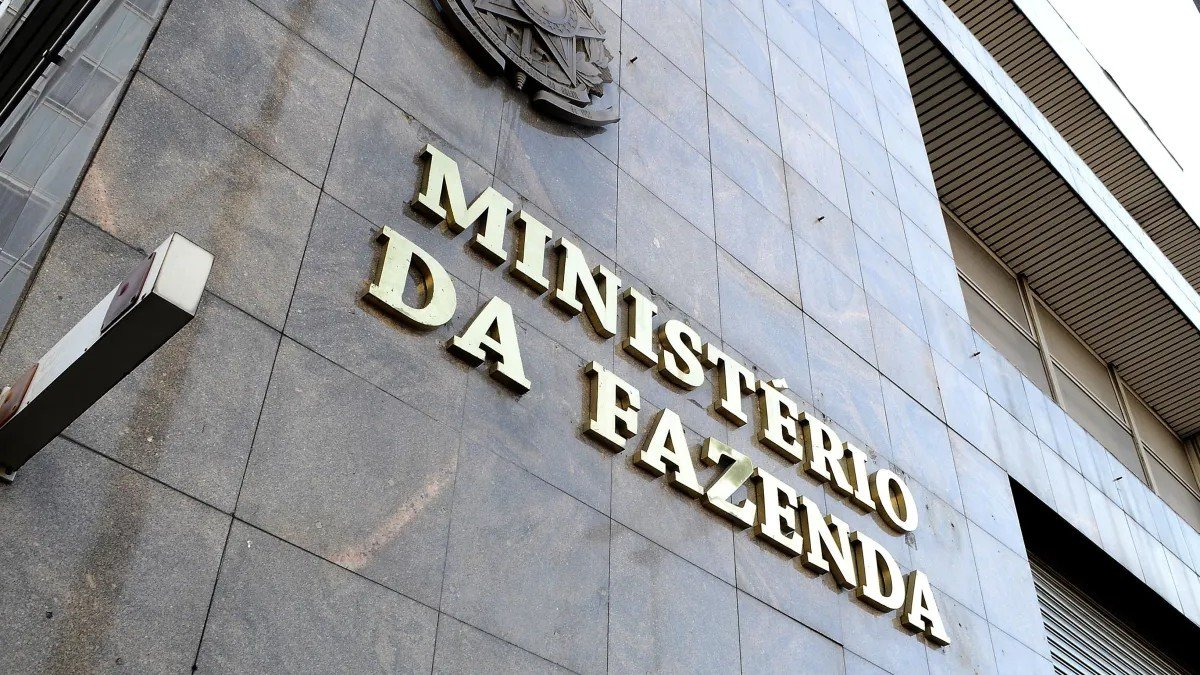
The Brazilian government is evaluating whether to impose retroactive tax charges on sports betting companies, a move that could generate up to R$12.6 billion (US$2.3 billion) in revenue. The proposal is under review by a joint working group formed by the Federal Revenue Service (RF) and the Ministry of Finance’s Prizes and Betting Secretariat (SPA).
According to officials familiar with the discussions, the measure would target 135 betting operators and could be implemented with an option for installment payments rather than a lump-sum collection, reports Games Magazine Brasil. The fixed-odds betting market has been formally regulated only since January 2025, and taxation at a 12% rate began in April of this year.
The Ministry of Finance confirmed the existence of the working group, stating that its conclusions will guide the Federal Revenue’s approach to any potential retroactive collection. “Due to the confidentiality that surrounds tax intelligence matters, it is not possible to provide further details,” the ministry told local media.
The Federal Revenue’s 2025 Annual Oversight Report classifies oversight of fixed-odds betting as “structural” and calls for measures to maintain compliance levels, distinguishing between licensed operators and those acting outside the law.
In March, Federal Revenue Secretary Robinson Barreirinhas signaled support for retroactive charges during a hearing of the Senate’s Parliamentary Inquiry Committee on betting. He argued that companies operating in Brazil before regulation took effect remain liable for taxes on past profits and revenues.
“If there was a material presence here in Brazil and there was profit, they must pay income tax; if there was revenue, they must pay PIS/Cofins,” Barreirinhas said, adding that authorization to operate under the new rules does not preclude investigation into past activities.
Online sports betting was legalized in the final year of former president Michel Temer’s administration, but remained unregulated under his successor, Jair Bolsonaro, creating an opening for unlicensed operators to expand.
Finance Minister Fernando Haddad has been a vocal critic of the sector, claiming betting firms avoided paying more than R$40 billion (US$7.35 billion) in taxes during the unregulated period. “There is no tax revenue that justifies the mess we’ve gotten ourselves into,” Haddad said earlier this year.
The debate over retroactive taxation comes as Congress considers a Provisional Measure to increase the betting tax rate from 12% to 18%. Government projections indicate the higher rate could raise an additional R$284.94 million (US$52.4 million) in 2025 and R$1.7 billion (US$312 million) in both 2026 and 2027.
Brazil issues rules to block accounts of unauthorized betting operators
Gibraltar begins search for new gambling commissioner as Andrew Lyman prepares to step down

Illinois: Skokie delays video gaming decision as board weighs revenue, social costs


Entain reportedly considering sale option for CEE Venture as UK gambling tax costs mount

SafeCasino named Best New Casino at AskGamblers Awards 2026

Fast Track partners with Meridianbet to support customer engagement across 18 markets

Digitain wins Platform Provider of the Year at SBC Awards Americas 2026

Growth in iGaming is becoming more complex. So are the partnerships behind it.

Real-time rewards: Why decision quality matters more than speed





Industry leaders confirmed as ambassadors for SiGMA North America 2026 Mexico City debut



