

Vici downplays Las Vegas tourism dip, highlights Strip’s long-term prospects
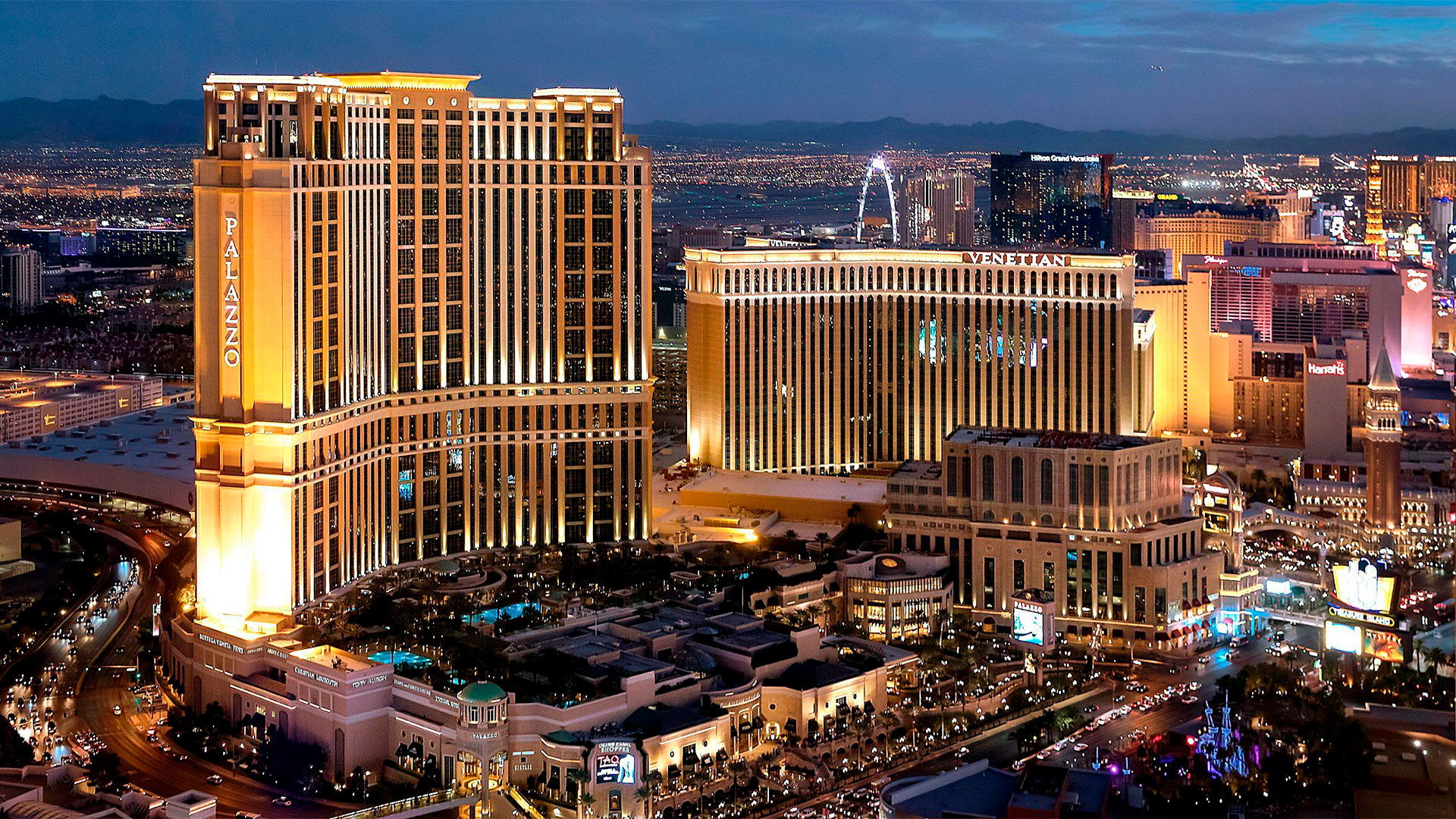
Vici Properties brushed off concerns over a recent drop in Las Vegas tourism during its second-quarter earnings call, with executives pointing to long-term growth catalysts and robust property-level investment as signs of resilience in the world’s leading casino market.
The call came a day after data revealed an 11% year-on-year decline in Las Vegas visitation in June. Chief Operating Officer John Payne characterized the downturn as “a period of normalization” and reiterated the company’s confidence in the Strip.
“We remain confident in the city’s long-term growth,” Payne said. “Our Las Vegas Strip real estate portfolio remains well-positioned. "We have conviction in the staying power of the city as a global epicenter. Experiential innovation is evident on the Strip.”
Payne cited the Formula One Grand Prix, the Brightline rail project, and a planned Major League Baseball stadium as “long-term tailwinds” supporting future demand.
Chief Executive Edward Pitoniak echoed the optimism, noting that Las Vegas benefits from extended booking visibility relative to other markets, which “definitely de-risks the business.”
Pitoniak also emphasized the level of tenant reinvestment in casino real estate, saying, “We cannot identify another real estate category where tenants invest more,” except for data centers. He contrasted Las Vegas assets like The Venetian and Mandalay Bay with aging urban hotels in other major U.S. cities, which he said have seen “significant underinvestment” since 2010.
According to Payne, Las Vegas maintained its convention sales teams during the COVID-19 pandemic, allowing it to secure more group business as the market rebounded. “During COVID, many cities cut their sales teams selling conventions. Las Vegas did not do that,” he noted.
Vici said it has not yet made a decision on exercising its option on the Caesars Forum convention center or the adjacent Caesars-owned land near the Strip. Still, Pitoniak described the site as a valuable “land bank” likely to appreciate.
Beyond the U.S., Payne highlighted strong performance from the company’s Canadian properties, supported by increased domestic travel: “More Canadians are staying home.”
On the broader industry outlook, both executives addressed the rising influence of online gaming. “It’s something we continue to monitor. It’s something that’s of concern to our tenants,” Payne said, adding that iGaming now factors into Vici’s underwriting considerations. Pitoniak called the evolution of American gaming “a lively experiment,” noting that brick-and-mortar casinos remain far more labor-intensive than digital platforms.
Discussing regional casino markets, Pitoniak urged caution. “The regional gaming landscape is a landscape where the investor needs to take care,” he said.
He was more upbeat on Station Casinos, praising the operator’s expansion strategy. One must show a growth strategy in order to receive a premier valuation on Wall Street, he said. Payne added: “When you do good things together, other opportunities happen.”
CFO David Kiesge said Vici remains in a strong financial position, with no debt maturities until the second half of 2026, $2.9 billion in liquidity, and a leverage ratio of 5.1 times cash flow - “well within our target range.”
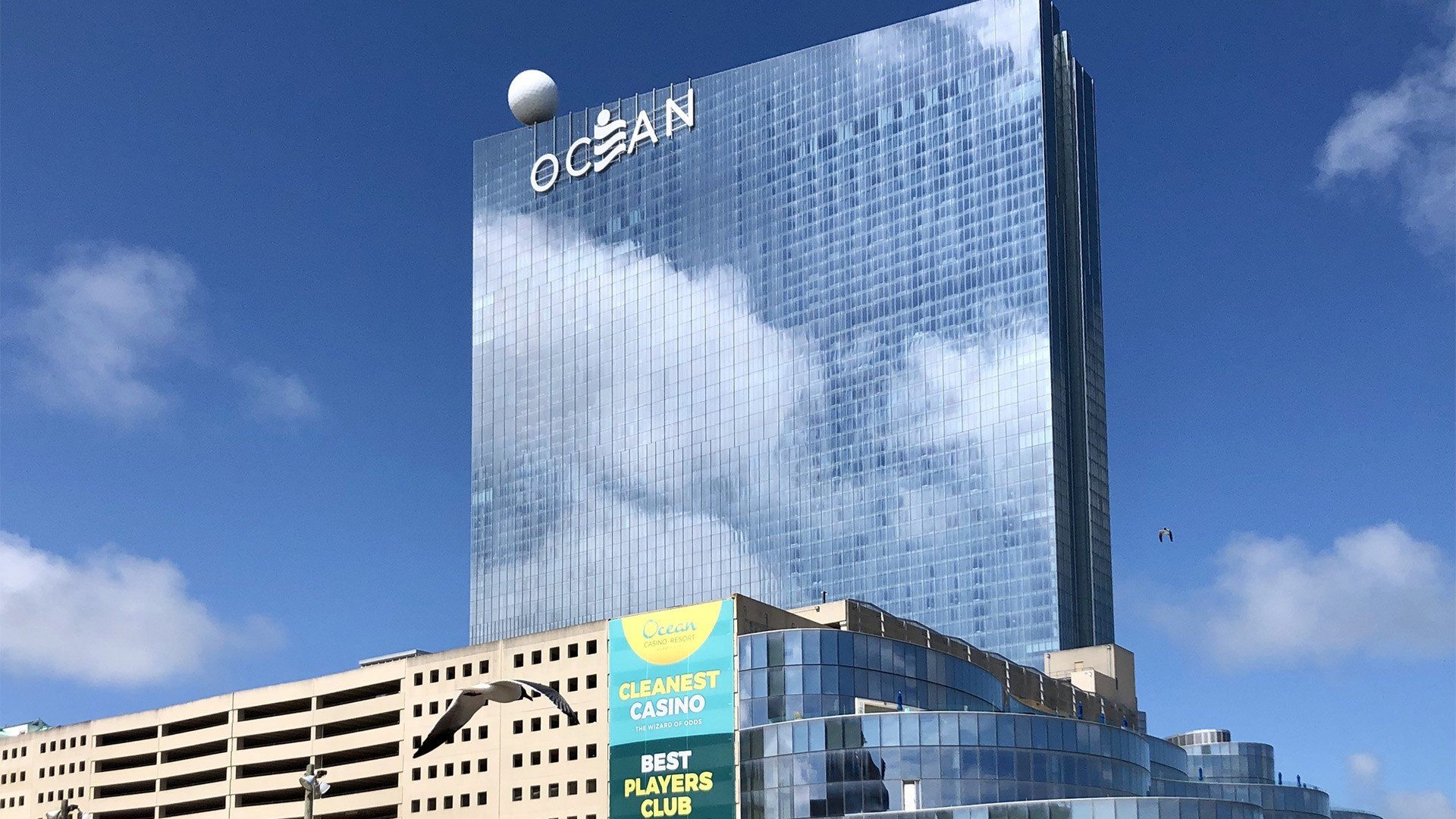
Little Caesars founders form new gaming unit, take full control of Atlantic City's Ocean Casino
California and Minnesota AGs push back on CFTC over prediction markets

Michigan judge rules Polymarket sports contracts fall outside CFTC authority


Entain reportedly considering sale option for CEE Venture as UK gambling tax costs mount

SafeCasino named Best New Casino at AskGamblers Awards 2026

Fast Track partners with Meridianbet to support customer engagement across 18 markets

Digitain wins Platform Provider of the Year at SBC Awards Americas 2026

Real-time rewards: Why decision quality matters more than speed


Ready Play Gaming content set to go live via Nirmata Play


Peru Gaming Show wraps up with criticism of consumption tax and discussion of World Cup betting activity

Zitro draws record operator attendance at fifth Zitro Experience Peru event

DELULU Gaming names SOFTSWISS strategic technology partner for London soft launch dinner


