

Is online gaming advertising in Spain mission impossible?
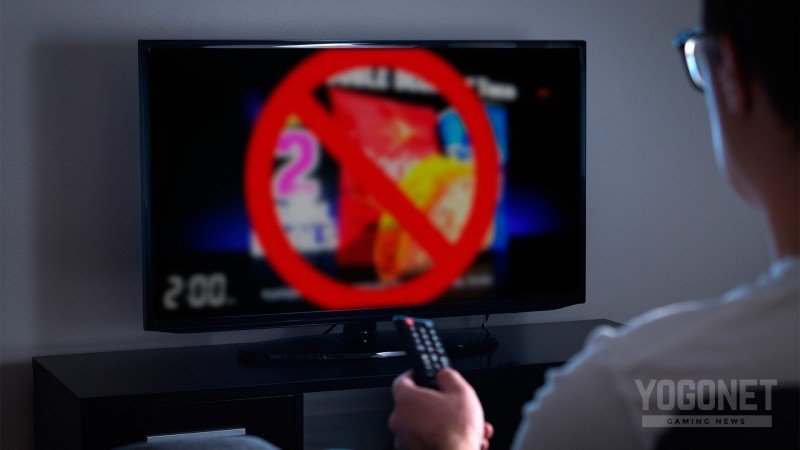
The most important measures affect mostly advertising content and they impose the same time limits which are implemented on tobacco and alcoholic beverages. Moreover, these commercials cannot include celebrities and the content must be ‘neutral’, meaning that gambling cannot be depicted as a way of achieving success or becoming a millionaire or encourage viewers to gamble.
There are further restrictions. For instance on websites and the press, promotion will be limited to a small advert by the betting company, which will be subject to parental control and intrusive banners won’t be allowed.
On the radio and on TV, the broadcast of advertising spots will be limited to a time range between 1 and 5 a.m. and any broadcast outside that time is explicitly forbidden. Places to which children have access such as cinemas, public transport or the street cannot serve as advertising channels either.
These guidelines also affect sponsorship by professional players and sports entities. Only static publicity will be permitted within the field in competitions that begin at 8 p.m. or later.
The name of the betting brands and their logo can appear in the players’ shirts and uniforms, but the clothing for fans cannot be commercialized in children's size.
The advertising content cannot include a “call for action” (“play now” or similar). Bonuses are limited to a maximum amount of EUR 100.
According to official data on the evolution of the online gambling market, the money invested in marketing rose by 15.98% compared to 2019, with EUR 112.97 M invested in the last quarter of 2019.
The new measures are likely to reduce by 80% the number the advertising possibilities for gambling platforms since there are restrictions not only in terms of content but also in channels and time.
Breaching of these regulations could amount to financial penalties ranging from EUR 100,000 to 1 M. and in the case of very serious breaches, fines of up to EUR 50 M as well as license suspensions.

SmartSoft launches football-themed crash game World Champion X

1win launches FIFA World Cup 2026 tournament with 5M USDT prize pool


1spin4win launches charity initiative 'United for Impact' to support children's healthcare in Kenya

Win Systems appoints Ana Aniceto to lead Country Manager & Sales in Peru

Comtrade Gaming partners with 7bet for Latvia, Estonia and Finland expansion

Flutter to delist from London on 3rd August as NYSE remains main trading venue

Ready Play Gaming content set to go live via Nirmata Play


Hub Affiliations awarded at Le Fonti Awards 2026 as Excellence of the Year for Innovation & Leadership in iGaming


BetMGM, Kaizen Gaming and Sportradar lead winners at SBC Awards Americas 2026

Boomerang Partners launches second stage of Golden Boomerang Awards 2026

Day 1 of SBC Summit Americas spotlights prediction markets, AI and industry challenges


