

Tennessee sports betting bill passes through subcommittee
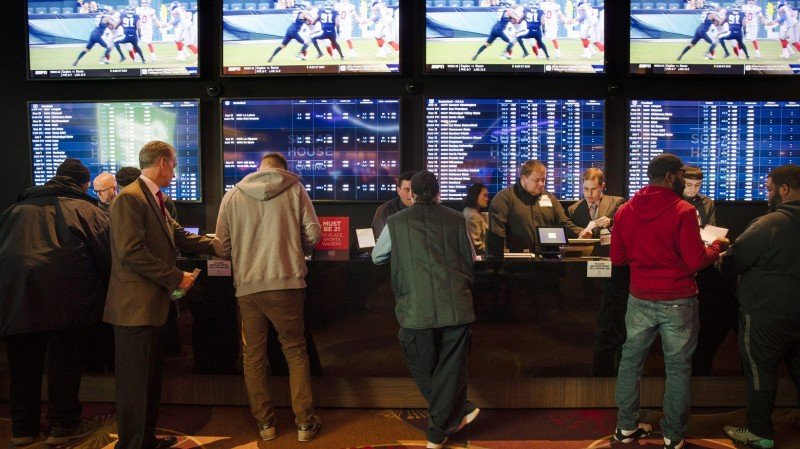
The first bill filed in the State House will likely be one of the more debated. HB1, which legalizes sports gambling in Tennessee, went before the Departments and Agencies Subcommittee on Wednesday. "I think we have to ask the tough questions," noted Representative Bill Sanderson during the session. "We have to dig into these bills."
If passed, the bill would place a 10% tax on sports gambling, which some estimate could generate around $30 million a year. Of that money, 30% would go toward K-12 education and local infrastructure. It would also allow local jurisdictions to vote if they want to bet on professional sports teams like the Tennessee Titans or Nashville predators in their communities.
In addition, this bill would create the Tennessee gaming commission consisting of nine members who would be responsible for the enforcement and compliance of the rules if the bill becomes law.
Concern for some on the bill though is possible long-term effects, including Governor Bill Lee on the campaign trail. "I think that organized betting frequently develops into organized crime that we don't need in our state," explained Lee, during a Gubernatorial debate.
But many argue sports gambling is in present in the state already, through illegal offshore websites. "You could go on your phone right now, type in a couple of web addresses, and place a bet on a game tonight within a matter of minutes," noted Scott Ward, an attorney representing FanDuel and Draft Kings.
Right now, most gambling in the state is against the law. That mean no casinos, no sports books, not even bingo. Representative Rick Staples wants to legalize sports betting in Tennessee as a new form of revenue for the states that doesn't involve raising taxes. "We're talking about Fantasy sports, we're talking about drag racing to auto racing; we're talking about football to basketball. When it comes to casino gambling, table gambling the state of Tennessee is upwards of losing $3 billion dollars annually because of our neighboring states," said Staples.
"So we really have the choice of capturing that tax revenue from that sports book," added Representative Bill Beck. "Or letting those companies, that are operating illegally throughout the United States capture that revenue."
The bill puts the option whether or not to allow sports betting into the hands of local governments statewide. Though HB1 passed through the subcommittee on Wednesday, this is the first of several votes the bill will face. Meanwhile, a similar bill is making its way through the State Senate.
Nearby states like Mississippi and West Virginia offer legal betting while states like Arkansas and Kentucky have legislation in the works.
Wisconsin governor begins tribal talks to advance online sports betting rollout

Hard Rock Bet rolls out Matthew Broderick-led campaign for sportsbook and casino

Liga MX names Polymarket its exclusive prediction market partner for the US


Comtrade Gaming partners with 7bet for Latvia, Estonia and Finland expansion

1spin4win launches charity initiative 'United for Impact' to support children's healthcare in Kenya

Flutter to delist from London on 3rd August as NYSE remains main trading venue

Win Systems appoints Ana Aniceto to lead Country Manager & Sales in Peru

Ready Play Gaming content set to go live via Nirmata Play


Pidiots and the future of slot engagement: Why Slotmatic is building the intelligence layer behind the next generation of slots


Day 1 of SBC Summit Americas spotlights prediction markets, AI and industry challenges

Boomerang Partners launches second stage of Golden Boomerang Awards 2026



