

West Virginia Governor announces tentative agreement on sports betting bill without 'integrity fees'

"I insisted from day one that no part of an integrity fee for sports betting would be paid by the state," Justice said. "I demanded that the entire fee be paid by the casinos."
The U.S. Supreme Court is currently considering the bill, and its decision will impact not only the bill, Senate Bill 415 in West Virginia, but the prospect of other states considering similar legislation.
During West Virginia's regular legislative session, before the bill was passed, some major sports leagues issued statements voicing concerns about the bill, particularly about the ingerity of the sports.
At that time, both Major League Baseball and the National Basketball Association called for the addition of an integrity fee, which would be a cut of the handle that organizations whose sports are being wagered on would receive. In gambling, the handle is the total amount of all wagers taken.
Representatives from MLB and the NBA, as well as the National Hockey League and the Professional Golf Association, attended the meeting Wednesday, WVNews reports.
Some Division I institutions have echoed the concerns of the major leagues as it relates to the integrity of the sports, with schools fearing that sports betting would lead to athletic department violations.
Justice said Thursday that West Virginia Lottery Director Alan Larrick and his staff would work on implementation of the fee and determining what, if any, legislation would be necessary.
"This was a difficult negotiation between many different parties, but the outcome will be very good for the State of West Virginia as well as the sports leagues," Justice said.
The agreement was made at a meeting Wednesday at the West Virginia Lottery headquarters in Charleston. Representatives from the lottery and casinos throughout the state, as well as several major sports leagues and West Virginia University and Marshall University, all attended the meeting.
Justice has said on multiple occasions that he would consider calling a special legislative session to address the sports betting bill. However, it is likely that such a session would not take place until after the Supreme Court's ruling.
"Additional dollars received by the state from sports betting will be utilized for the benefit of many of our residents," Justice said. "However, all of this is a moot issue until the U.S. Supreme Court rules on the legality of sports gaming across the country."
Arizona to reopen sports betting license application window in June
North Carolina bans state employees from using insider information on prediction markets

Prediction markets may push more states toward legalizing iGaming, Caesars' Eric Hession says

GR8_TECH’s Bet It Drives wins Best Marketing Campaign at SiGMA Europe Awards 2026

Entain names Sheila Bangalore as independent non-executive director
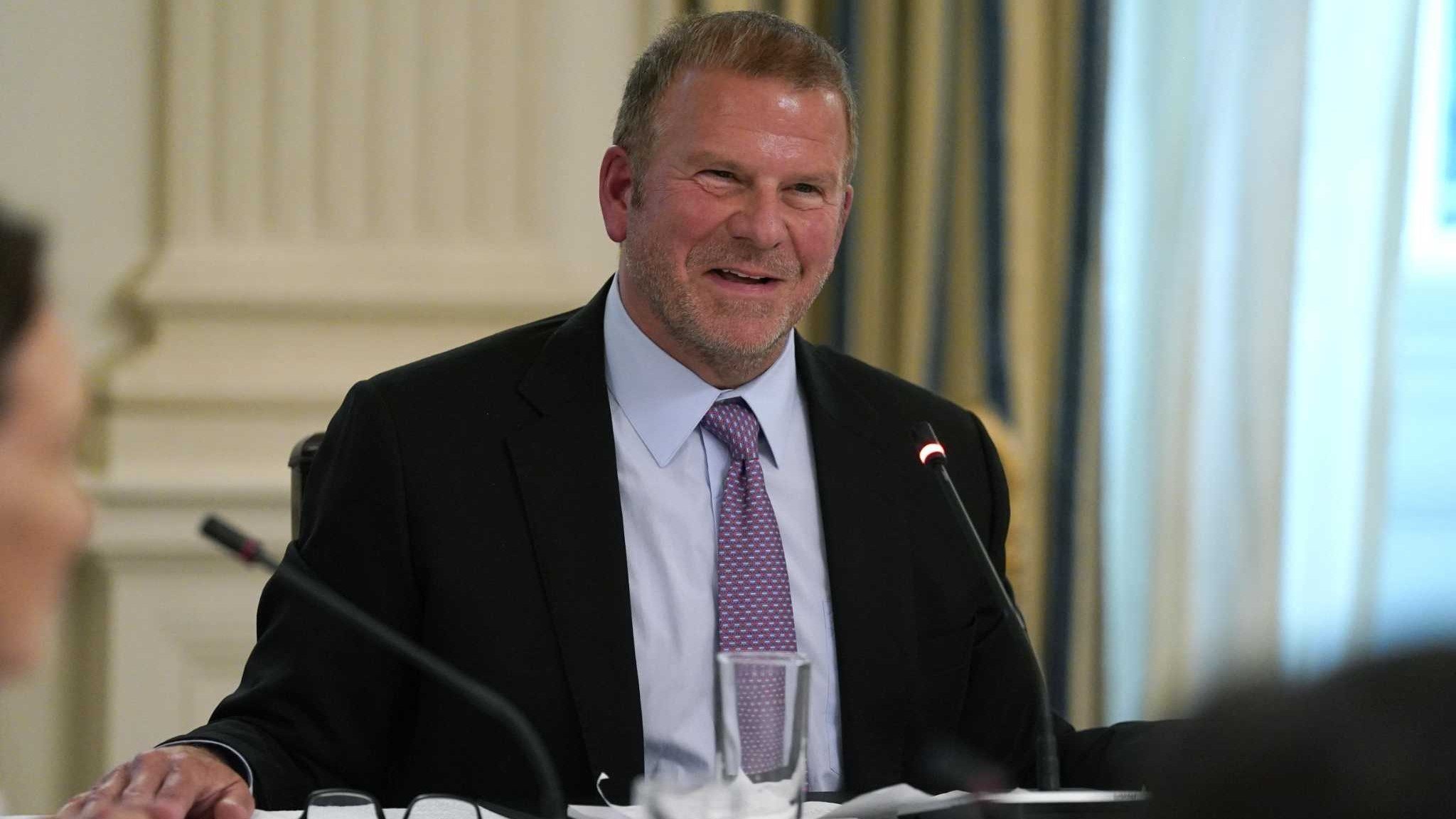
Caesars Entertainment to be acquired by Fertitta Entertainment in $17.6 billion deal

U.S. Ambassador to Malta Somers Farkas visits SiGMA Group headquarters

Pidiots and the future of slot engagement: Why Slotmatic is building the intelligence layer behind the next generation of slots

Hub Affiliations awarded at Le Fonti Awards 2026 as Excellence of the Year for Innovation & Leadership in iGaming

Plinko, lottery, online casino: how Europe searches for iGaming

The data stack isn't ready. Your competitors aren't waiting


HELL Partners plans iGB Live 2026 presence with affiliate meetings and private event

BMM Innovation Group to highlight compliance and cybersecurity services at SBC Summit Americas 2026

SOFTSWISS puts product portfolio in focus at NEXT Valletta 2026


