

SkyBet boss against UK gambling tax rise
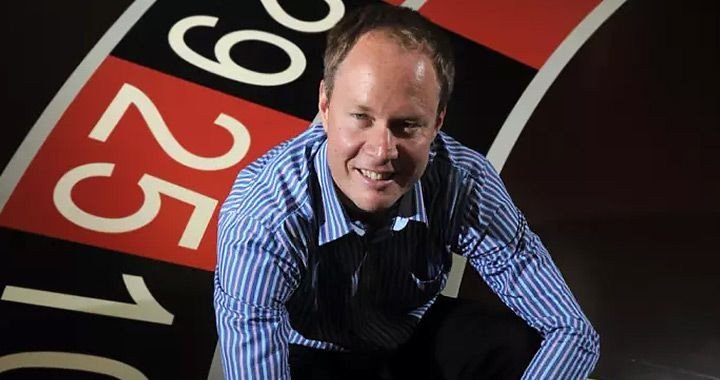
The UK’s Chancellor of the Exchequer, Philip Hammond, is set to announce his autumn budget later this month. Flint said in an interview with the Telegraph it was “not inconceivable” that gambling-related taxes could rise.
The current 15% point-of-consumption tax was implemented in December of 2014 as a way of preventing off-shore firms from avoiding paying tax in the UK.
Companies offering gambling services to players in the UK must now pay taxes regardless of their headquarters.
“We are prepared to have the penalty [of higher taxes] versus being based offshore but it could become unsustainable if taxes are increased too much,” Flint said.
Flint said that for the year to June 2017, his company paid £153m (€173.4m/$201.1m) in taxes, equivalent to 30% of its revenue, and added that as the firm is based in the UK, it means it has to pay VAT on marketing expenditure – something that is not levied on those based offshore.

Play’n GO launches Shark Feast, a neon-themed slot built around cascading gameplay

Gibraltar begins search for new gambling commissioner as Andrew Lyman prepares to step down


Entain reportedly considering sale option for CEE Venture as UK gambling tax costs mount

SafeCasino named Best New Casino at AskGamblers Awards 2026

Fast Track partners with Meridianbet to support customer engagement across 18 markets

Digitain wins Platform Provider of the Year at SBC Awards Americas 2026

Growth in iGaming is becoming more complex. So are the partnerships behind it.

Real-time rewards: Why decision quality matters more than speed





Industry leaders confirmed as ambassadors for SiGMA North America 2026 Mexico City debut



