

Mashpee Wampanoag Tribe to seek casino license

“We've had conversations with the tribe on all available options,” said Taunton Mayor Tom Hoye, who supports the tribe's casino plan. “They’re continuing to explore all options with the [federal Bureau of Indian Affairs] — and the possibility of a commercial license.”
A shift in strategy toward a commercial bid could help resolve an intractable problem in the development of the state's nascent casino market. Despite the Mashpee tribe's legal struggles, the looming prospect of a tribal casino in the region has made the state’s Gaming Commission reluctant to approve a commercial bid, wary of oversaturating the market.
The state recognized this dilemma from the start, and tried years ago to persuade the Mashpee to seek a commercial license. In crafting the state’s 2011 casino law, lawmakers concluded the market could handle as many as three resort casinos, each in separate regions of the state.
Kathryn Rand, a tribal gambling specialist and a professor at the University of North Dakota School of Law, said a Mashpee commercial bid would raise significant issues. Presumably, the tribe and Genting would have to pay the $85 million state casino licensing fee, which a tribal casino would not have to pay.
“Legally possible, yes,” she said by e-mail. “But even under a highly detailed law like the [Massachusetts casino law], there would still be a number of issues that need resolution — and some of those issues, such as the license fee, may be financial, if not legal, obstacles. Converting a commercial casino to a tribal casino — that, too, would raise numerous issues.”
Wisconsin governor begins tribal talks to advance online sports betting rollout

Hard Rock Bet rolls out Matthew Broderick-led campaign for sportsbook and casino

Liga MX names Polymarket its exclusive prediction market partner for the US


Flutter to delist from London on 3rd August as NYSE remains main trading venue

Win Systems appoints Ana Aniceto to lead Country Manager & Sales in Peru

WagerWire receives Gibraltar approval in principle for prediction markets push
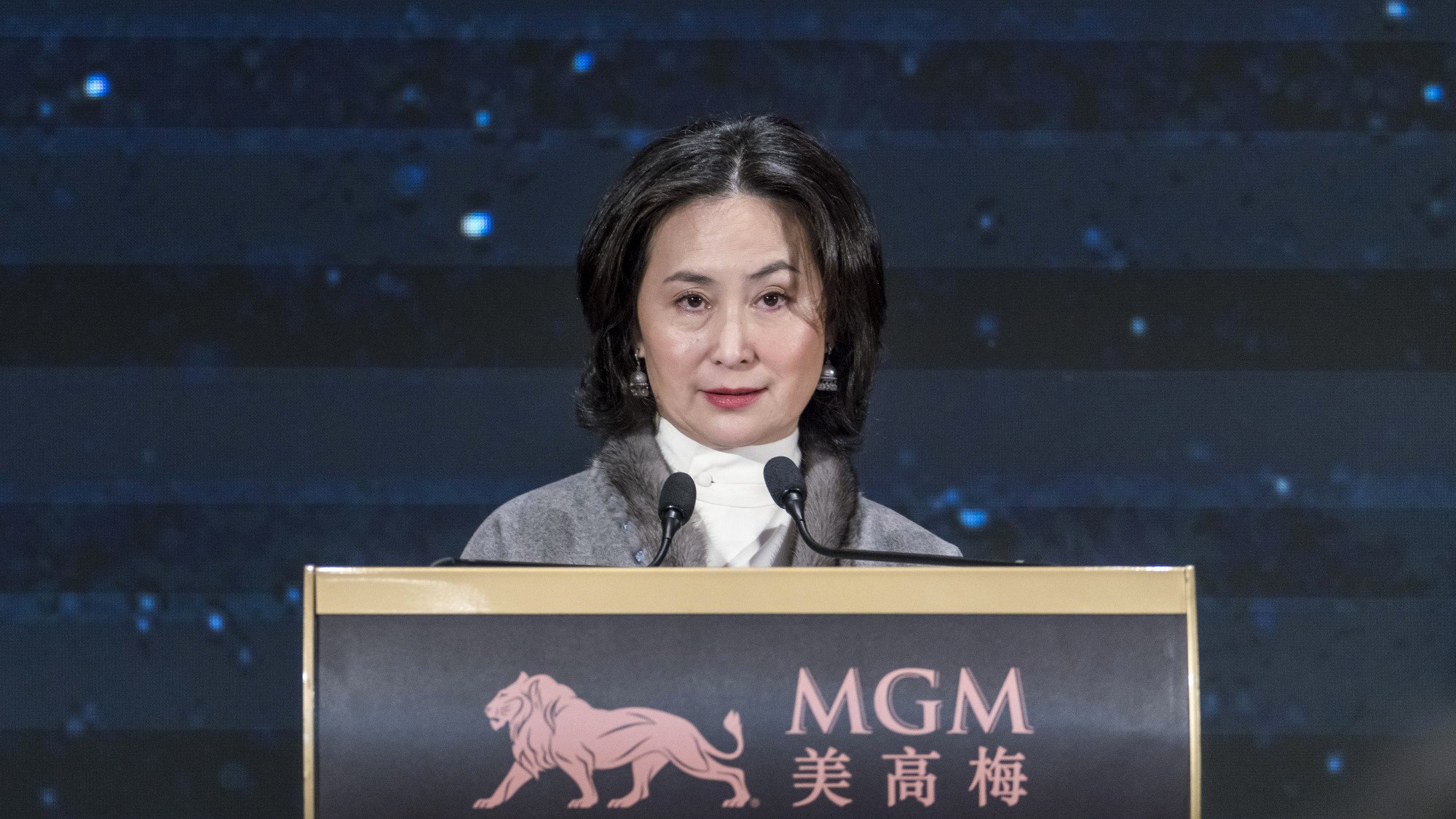
MGM China shares fall after Pansy Ho sells entire MGM Resorts stake

Ready Play Gaming content set to go live via Nirmata Play


Hub Affiliations awarded at Le Fonti Awards 2026 as Excellence of the Year for Innovation & Leadership in iGaming


BetMGM, Kaizen Gaming and Sportradar lead winners at SBC Awards Americas 2026

Day 1 of SBC Summit Americas spotlights prediction markets, AI and industry challenges



