

Florida looms closer to deciding on gambling expansion

The Republican-controlled Legislature, split among factions including those worried that more gambling would harm Florida’s ‘‘family-friendly’’ brand, has never reached consensus.
But this year GOP leaders insist they may achieve a breakthrough, prompted by ongoing court battles and fatigue with a seemingly never-ending gambling debate.
‘‘Inaction is not a choice,’’ said Senator Bill Galvano, a powerful Bradenton Republican who is sponsoring a major gambling bill this year.
The promise of a breakthrough to end years of impasse, however, would require major compromises in the regular 60-day session.
““Galvano and his fellow senators are advancing a proposal that would expand gambling far beyond its current locations, while House Republicans are backing a plan to ‘‘freeze’’ gambling as it now exists in the state
”
Gambling is supposed to be ‘‘illegal’’ in Florida, but really isn’t. There’s plenty of it around the state, often tucked away from theme parks and beaches in locations known mostly to locals and retirees who flock to Florida each winter.
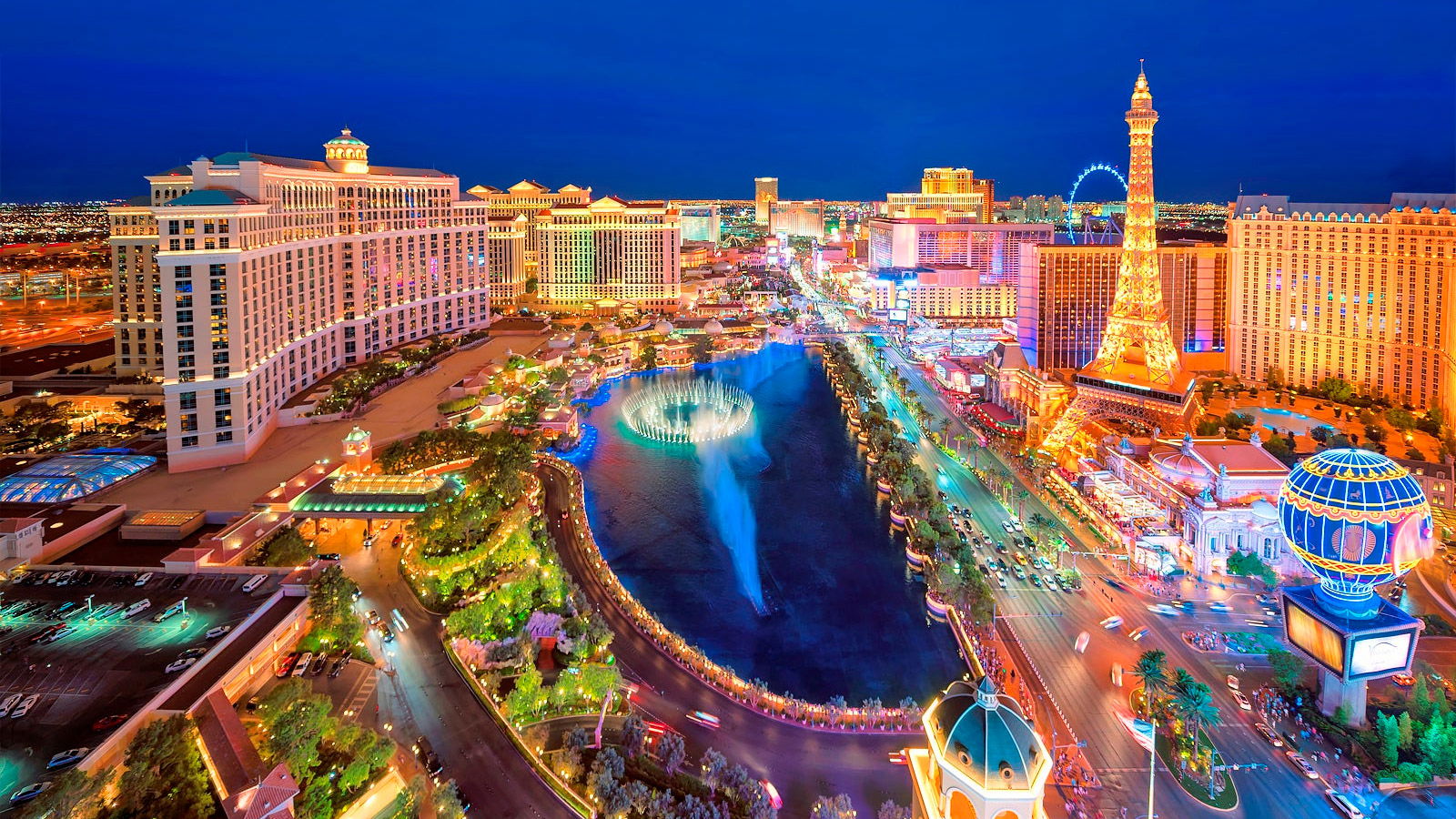
While the state lacks high-end casinos like those in Las Vegas, the Seminole Tribe operates several casinos, including Hard Rock hotels and casinos in Tampa and Hollywood. Dog and horse tracks are scattered statewide, but only those in south Florida have been permitted to install slot machines, while only the tribe is authorized to offer blackjack.
Any attempt to change the state’s byzantine gambling laws will face a gantlet of competing interests. They range from animal rights activists who want dog tracks to drop greyhound racing to the owners of existing tracks fearful that the Seminole Tribe and out-of-state corporations will squeeze them out of business unless they are granted concessions similar to those given the tribe.
““‘‘There are long-term gaming operators in this state in the need of a fair modern business model in order to compete and grow,’’ said Dan Adkins, vice president of Mardi Gras Casino in Hallandale Beach
”
Then there are state business groups worried that expanding gambling will harm Disney World and other family friendly theme parks in a state that welcomes more than 100 million visitors annually. And others are opposed to expanding gambling on moral and ethical grounds.
David Tarbert, a Tallahassee attorney who notes he was addicted to gambling for 36 years, said lawmakers should again this year reject any proposals to make gambling more widespread. He said politicians interested in expanding gambling want to raise more money without raising taxes.
‘‘I think it is essentially getting government revenue on the backs of people’s addiction,’’ said Tarbert, who helped establish a Gamblers Anonymous chapter in the state capital two years ago.
There’s no question that Florida’s government takes in money from gambling. The current deal with the Seminole Tribe has resulted in nearly $2 billion since 2010.
Wisconsin governor begins tribal talks to advance online sports betting rollout

Hard Rock Bet rolls out Matthew Broderick-led campaign for sportsbook and casino

Nevada casino net income falls 34.8% following 81.2% drop on Las Vegas Strip

Comtrade Gaming partners with 7bet for Latvia, Estonia and Finland expansion

Flutter to delist from London on 3rd August as NYSE remains main trading venue

Win Systems appoints Ana Aniceto to lead Country Manager & Sales in Peru

WagerWire receives Gibraltar approval in principle for prediction markets push

Ready Play Gaming content set to go live via Nirmata Play


Pidiots and the future of slot engagement: Why Slotmatic is building the intelligence layer behind the next generation of slots


Boomerang Partners launches second stage of Golden Boomerang Awards 2026

BetMGM, Kaizen Gaming and Sportradar lead winners at SBC Awards Americas 2026

Day 1 of SBC Summit Americas spotlights prediction markets, AI and industry challenges


