

NY Senator Joe Addabbo: "Lawsuits and bans are easy. The harder — but better — solution is regulation"

As New York continues positioning itself at the center of the evolving U.S. gaming landscape, few lawmakers have been more closely involved in shaping that conversation than Senator Joe Addabbo. As chair of the Senate Racing, Gaming and Wagering Committee, Addabbo has become one of the leading voices behind some of the state’s biggest gambling initiatives, from mobile sports betting and downstate casino expansion to ongoing discussions surrounding iGaming and prediction markets.
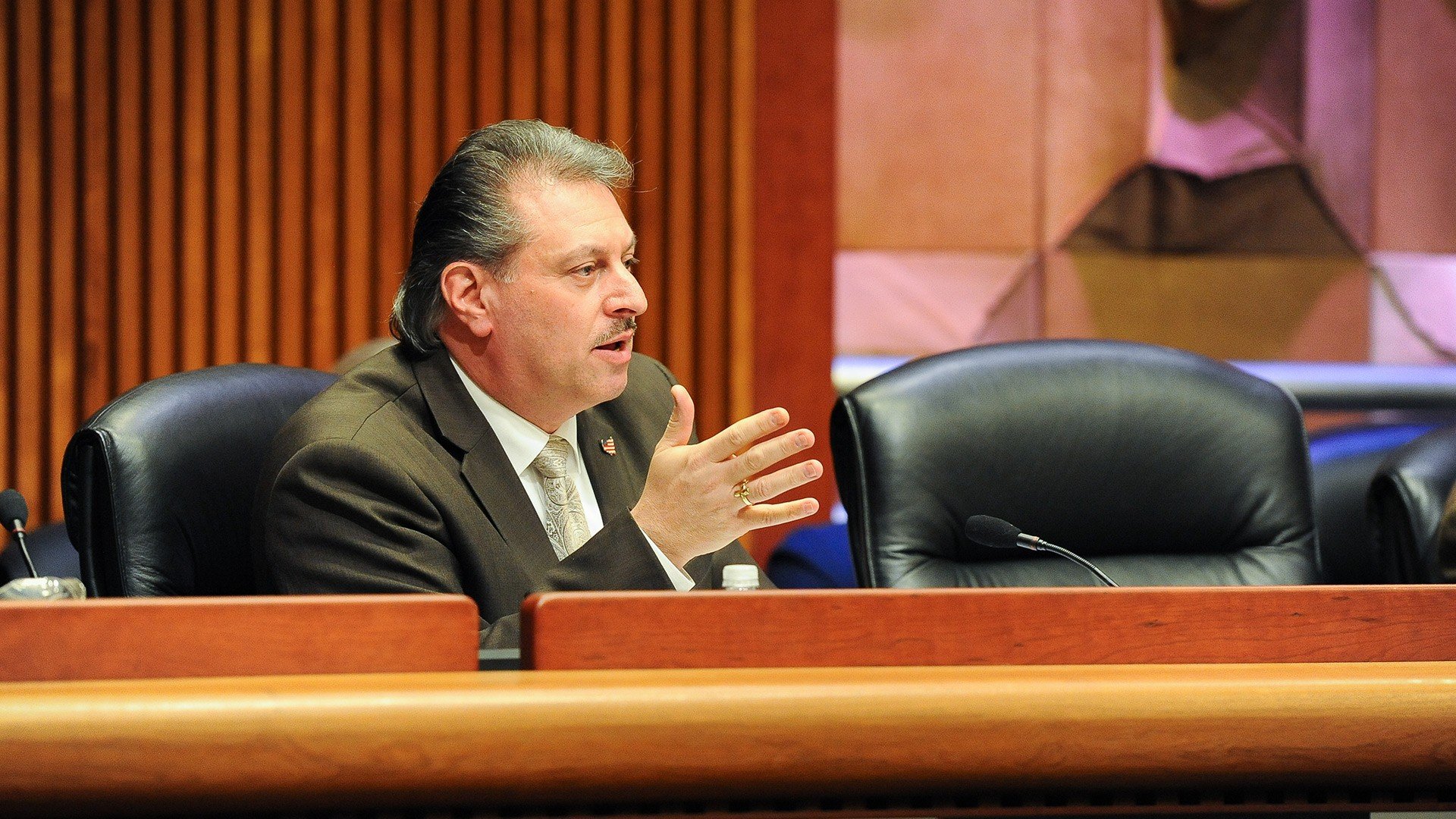
In this video interview with Yogonet, Senator Addabbo discusses the launch of New York’s newest full-scale casino projects, the growing debate around prediction markets and sweepstakes operators, and why he believes online casino legalization in the Empire State is ultimately “a matter of when, not if.” He also shares his perspective on responsible gaming, regulatory challenges, and how New York plans to remain competitive in one of the fastest-moving sectors in the entertainment industry.
What does the opening of the first full-scale land-based casino in Queens represent for New York’s gaming industry, and how do you expect it to shape the market?
This is the first full-license casino the state has opened in almost 10 years. It brings opportunities for jobs; great union, stable jobs that can turn into careers. That’s the first thing I look at.
It also gives us the opportunity to raise revenue for education in New York State, as well as for the MTA, our public transportation system. At the same time, these full licenses allow us to highlight the dangers of problem gambling and strengthen the programs that address addiction and pre-addiction.
There are a lot of benefits here, and our job is never over. We always have to monitor how the situation evolves with these full licenses.
Resorts World now has a temporary monopoly on live table games until the other casino projects are completed. How important is it for the state to ensure long-term competition in the casino market?
Resorts World will have about a three-year head start while the other licensees — Bally’s in the Bronx and Hard Rock in Queens — break ground and build their facilities.
The state will certainly look at how Resorts World performs during those years and then how all three coexist. We’ve seen it in Atlantic City and other markets where casinos operate very close to one another and still survive and succeed.
I think each property will find its own market, demographic, and identity through the amenities it offers. Over time, they’ll find a way to coexist and be successful.
Resorts World New York launched this year its full-scale casino

Prediction markets have become one of the hottest topics in the industry. You’ve said they perhaps should be regulated rather than banned. What sets them apart from traditional sports betting in your opinion, and where are the biggest regulatory gaps?
Prediction markets have found an industry in gaming, gambling and betting, and they’re all in. They currently account for roughly $2 billion in annual revenue, and estimates suggest that could reach $10 billion by 2030.
The difference is that prediction markets are generally peer-to-peer. You’re not betting against the house. Whether it’s through transaction fees or spreads, there’s a lot of money to be made. But there are no guardrails.
We’ve seen concerns that prediction markets may target minors or individuals who have self-excluded because of gambling addiction. I always prefer regulation. Banning is easy. Lawsuits and bans are easy. The harder — but better — solution is regulation.
Regulation creates a win-win-win situation. It’s a win for the entity that wants to do business in New York, a win for New York because we regulate and generate revenue, and a win for New Yorkers because they get a safer product.
Right now, if someone has an addiction problem, we can’t help them because we don’t even know who they are. Regulation allows us to create safeguards and consumer protections.
How challenging is it for regulators to respond to prediction markets amid the ongoing federal versus state jurisdiction debate?
While the federal government and the states argue through lawsuits and other means, it gives legislators at the state level an opportunity to act within our own jurisdictions.
I don’t like sitting on the sidelines waiting for the federal government to act. This market is growing too rapidly. We have to get involved and figure out how to regulate it.
Around 16 states have brought lawsuits regarding prediction markets. But even while those lawsuits continue, states still have opportunities to address the issue directly.
Are lawmakers moving quickly enough to keep pace with innovation in gambling products?
States are struggling. In New York, we’re struggling because we weren’t ahead of the curve. We allowed prediction market operators to enter New York while we already had licensed mobile sports betting operators. These new entities came in and essentially entered the sports betting arena.
So now we’re behind the curve and playing catch-up. Legislation doesn’t move very quickly.
This year, we’ve started addressing the issue through actions by the attorney general, the Gaming Commission, the governor’s office and legislators introducing bills. But I’m hoping we can go further next year.
You’ve consistently supported online casino legalization in New York. What still needs to happen for iGaming to become politically feasible?
My timeframe for iGaming was yesterday. I’ve wanted to do it for years. Every year we don’t legalize iGaming, we lose about $1 billion to New Jersey, Pennsylvania, Connecticut and the illegal market.
And when people gamble illegally or across state lines, we lose the opportunity to help those who may have gambling problems. Once you regulate, yes, you generate revenue and jobs, but you also create opportunities to help people with addiction.
One of the concerns we continue hearing is cannibalization; the idea that iGaming would hurt brick-and-mortar casinos. But we’ve seen in New Jersey that both sectors can coexist and even grow simultaneously.
If there are concerns about cannibalization or responsible gaming, we can address those. But we need conversations. If people won’t even talk about it, we can’t move forward.
I’m hopeful for next year. The governor may not want to do iGaming, but she may ultimately need to, whether for revenue reasons or because of the growth of the illegal market.
If New York eventually legalizes online gaming, what safeguards would you consider essential?
Safeguards and consumer protections have to be at the forefront. When we passed mobile sports betting legislation, there were 12 safeguards built into the law dealing specifically with addiction issues. Things like account caps, reporting requirements, and self-exclusion measures.
We would look to replicate and expand on those protections for iGaming. There’s also dedicated funding built into the statute for problem gambling programs, creating guaranteed funding streams for programs that work.
What’s important is that we get input from everyone — Native American groups, problem gambling advocates and others — so we can create a product that works safely for New Yorkers.
New York recently launched the “Avoid the Risky Bet” campaign targeting offshore operators and sweepstakes casinos. How serious is the growth of these gray-market models?
Technology is making gaming more accessible than ever, and that’s only going to continue growing. Some operators are very savvy about finding loopholes, just as prediction markets found ways to operate in states where sports betting wasn’t yet regulated.
That means legislators constantly have to work to identify and close those loopholes and make products safer for residents. With technology advancing so quickly and new products constantly emerging, we can’t sit on the sidelines. We have to be proactive.
What are the biggest lessons New York has learned from sports betting, and where do you see the next phase of gaming expansion coming from?
We’ve learned a lot from mobile sports betting. It’s become one of the most successful products in the country. New York has generated roughly $3 billion in revenue in a very short period of time.
Then we moved forward with the three downstate casino licenses, which will generate billions more for education and public transportation while creating thousands of good jobs.
You build on that success. You’re never done. Technology evolves, the industry evolves, and New York is viewed nationally — and sometimes globally — as a growth market. We need to capitalize on that. That means jobs, revenue, and maximizing New York’s potential in a highly competitive and constantly evolving industry.
So yes, I think New York’s future includes iGaming, prediction markets and more. We can’t remain stagnant. But it can’t just be one legislator pushing for it. In every state with gaming expansion, the governor ultimately wanted or needed it for revenue purposes.
If the governor doesn’t want it right now, then my job is to continue presenting the facts and figures about why we should move forward in a safe, methodical way that protects New Yorkers and generates revenue.
Gaming leaders debate regulation, prediction markets and the next phase of industry growth


Entain reportedly considering sale option for CEE Venture as UK gambling tax costs mount

SafeCasino named Best New Casino at AskGamblers Awards 2026

Fast Track partners with Meridianbet to support customer engagement across 18 markets

Digitain wins Platform Provider of the Year at SBC Awards Americas 2026

Growth in iGaming is becoming more complex. So are the partnerships behind it.

Real-time rewards: Why decision quality matters more than speed





Industry leaders confirmed as ambassadors for SiGMA North America 2026 Mexico City debut



