

Kentucky AG defends state control over sports prediction markets after Derby
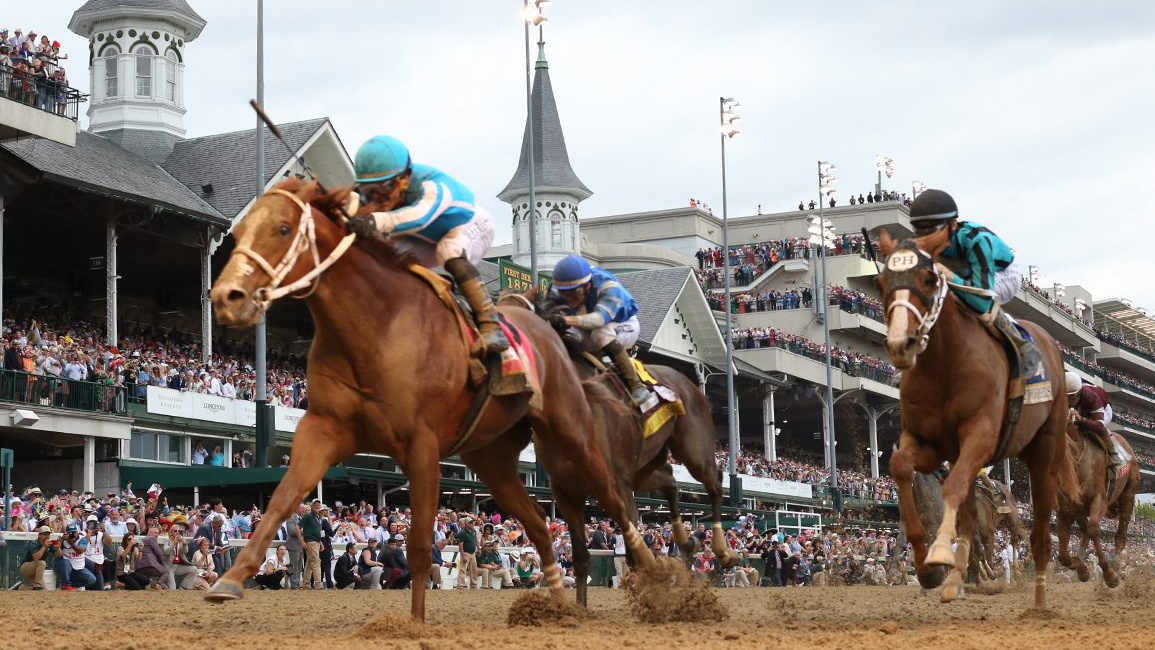
Following the 152nd running of the Kentucky Derby, Kentucky Attorney General Russell Coleman has moved to defend the state’s authority to regulate sports-related event contracts offered by prediction market platforms such as Kalshi and Polymarket, escalating the growing legal and regulatory battle between state gaming regulators and federally regulated prediction markets.
State attorneys general have warned that prediction market platforms offering sports-event contracts operate outside consumer protection safeguards and tax structures already applied to licensed sportsbooks, prompting a bipartisan coalition to challenge federal oversight of the sector.
In a letter sent to the chairman of the Commodity Futures Trading Commission, attorneys general argued that the CFTC does not have jurisdiction over sports-related event contracts offered through platforms such as Kalshi and Polymarket.
Prediction markets allow users to trade contracts tied to the outcomes of future events. According to the coalition, the platforms offer contracts connected to game winners, point spreads, and player statistics while bypassing state gambling rules covering taxation, licensing, and consumer protections.
The attorneys general said the event contracts are effectively similar to sports wagering products already regulated at the state level, including in Kentucky through the Kentucky Horse Racing and Gaming Corporation.
Kentucky joins multi-state effort
Kentucky Attorney General Russell Coleman joined the coalition effort following the 152nd running of the Kentucky Derby and during continuing debate over whether sports-related prediction markets fall under federal commodities regulation or state gambling laws.
“There’s not a dollar’s worth of difference between prediction markets’ sports contracts and sports betting, and Kentucky has the jurisdiction and the responsibility to set the rules of the road,” Coleman said. “Along with nearly every other AG in the country, we’re asking the federal government to recognize that states like Kentucky are well-positioned to protect our people, just like we have been doing for over a century.”
Coleman joined attorneys general from Ohio, Nevada, Tennessee, New York, Utah, and New Jersey in leading the letter. Attorneys general from Alabama, Alaska, Arizona, Arkansas, California, Colorado, Connecticut, Delaware, the District of Columbia, Hawaii, Idaho, Illinois, Indiana, Iowa, Kansas, Louisiana, Maine, Maryland, Massachusetts, Michigan, Minnesota, Mississippi, Nebraska, New Mexico, North Carolina, Oklahoma, Oregon, Pennsylvania, Rhode Island, South Carolina, South Dakota, Vermont, Virginia and Wisconsin also signed the effort.
States point to existing gambling oversight
The coalition said states already have regulatory structures and experience needed to oversee sports wagering and address gambling-related harm, including issues tied to mental health and financial security.
Opponents of federal oversight argue that Kentucky regulated sports wagering long before Congress established the CFTC in 1974. The Kentucky General Assembly created the first Kentucky Racing Commission in 1906 “to regulate the racing of running horses in the Commonwealth.”
The letter highlights that millions of Americans meet the criteria for problematic or pathological gambling and argues that state regulators are better positioned to oversee sports betting activity and protect residents.
The comments from state officials come while legal actions involving prediction market operators continue in several jurisdictions, including cases alleging that Kalshi and Polymarket offered unlicensed betting products.
Kalshi reportedly developing terminal-style platform for high-end traders

Nevada secures court order against Polymarket as prediction market fight grows

Unite Here urges Congress to ban prediction market sports contracts


ReferOn lands two EGR B2B Awards 2026 shortlist nominations

Allwyn AG names Khalid Reede Jones as CEO of North America unit

FIRST.bet wins Sports Betting Supplier cateogyr at EGR B2B Awards

Bally’s Intralot reaches $326 million deal to acquire William Hill and 888 owner Evoke


Hub Affiliations awarded at Le Fonti Awards 2026 as Excellence of the Year for Innovation & Leadership in iGaming

Pidiots and the future of slot engagement: Why Slotmatic is building the intelligence layer behind the next generation of slots

Plinko, lottery, online casino: how Europe searches for iGaming