

Minister Guimarães says Brazil government discussing drastic measures for online betting sector
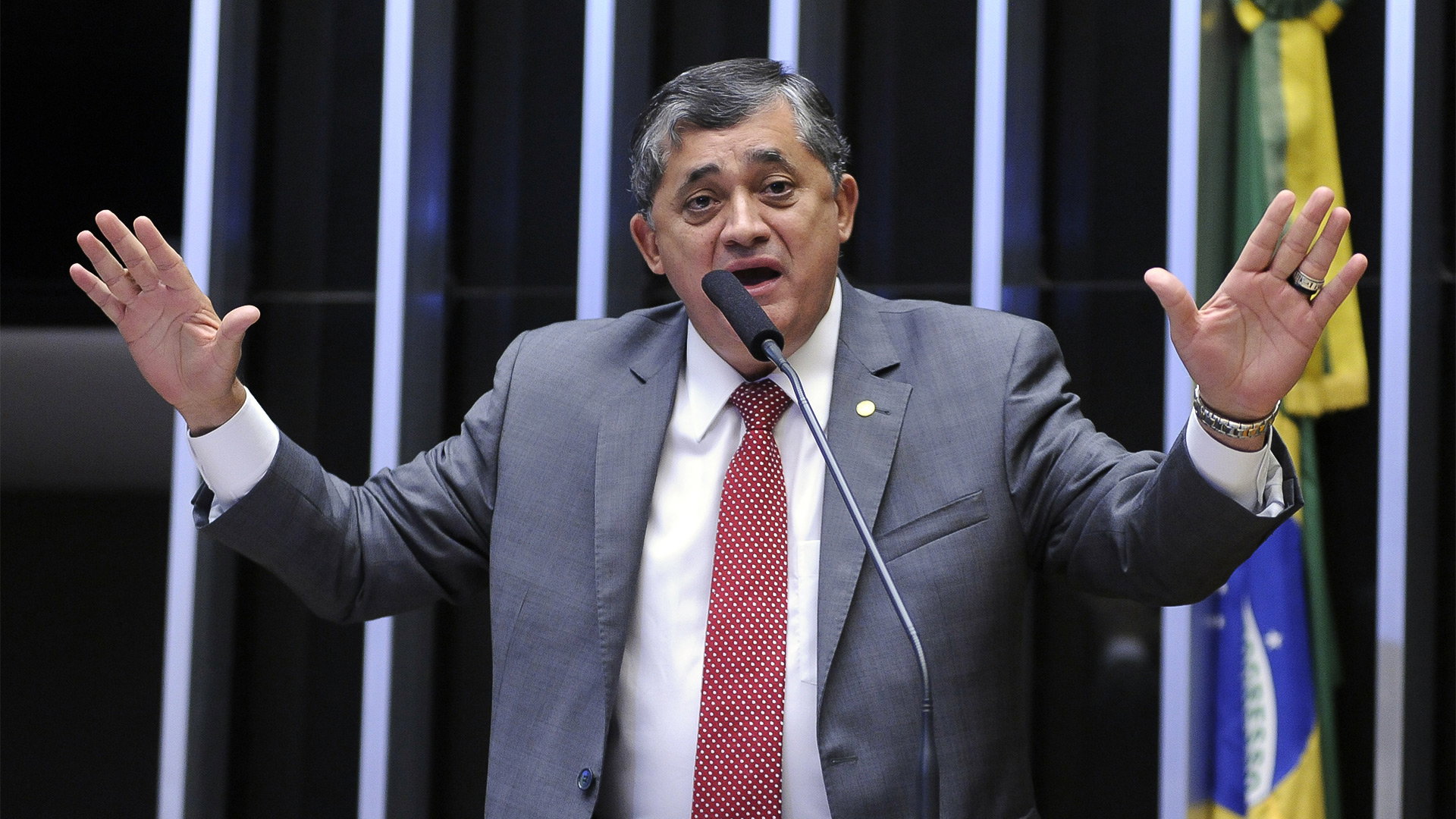
Brazil’s Minister of Institutional Relations, José Guimarães, said the government has yet to define how it will address the country’s online betting sector amid growing concerns over problem gambling. The minister suggested that future measures could be significant, ranging from stricter regulation to even a potential suspension of betting activities.
The statement comes as Brazil’s federal government moves toward a harder policy debate on betting, with officials linking the sector’s rapid growth to household indebtedness and the risk of borrowers returning to financial stress after debt renegotiation.
The issue has gained political weight as President Luiz Inácio Lula da Silva and Workers’ Party representatives place gambling alongside other campaign themes ahead of Lula’s re-election bid, including ending the 6x1 work schedule and taxing the super-rich.
A new restriction has already been attached to Desenrola Brasil 2.0, the latest version of the debt renegotiation program launched by the Ministry of Finance. Under the measure, people who join the program will be blocked from betting platforms for one year across the national territory.
The program was first created in 2023, and the current edition seeks to prevent borrowers who renegotiate debt from using their income on betting after receiving relief. In a national radio and television address during Labor Day celebrations, Lula said people should not renegotiate debt and continue losing money through gambling.
He added: "It's not fair that women have to work even harder to pay off their husbands' gambling debts."
Amid this changing landscape, Guimarães said that the government has not yet reached a final position on how to deal with betting, according to comments made in an interview with CNN 360 and reported by CNN Brazil.
"The government has started discussing it; we don't yet have a defined position on what to do,” said Guimarães. He added that the government would have to address the issue through a firm policy choice: "Either it ends, or we implement radical regulations."
The government’s assessment is that betting has become one of the factors behind the high level of debt among Brazilian families. Officials say gambling can lead users to commit part of their income to betting, and in more serious cases, take loans to finance gambling activity.
Executive Secretary of the Treasury Rogério Ceron also said gambling had contributed to the recent rise in indebtedness. He said the ban on betting platforms for Desenrola Brasil 2.0 participants was intended to stop people from falling back into debt after renegotiating their obligations.
SOFTSWISS adds fiat display, lite mode to Sportsbook in time for World Cup

DATA.BET reports 39.7% sports betting GGR growth one year after vertical launch

7Games, Betão, and R7 launch sportsbook powered by FIRST.bet in Brazil


SiGMA Foundation extends funding for Dreams of Horses Farm rehabilitation programs

GLI welcomes CVC as its first external investor to support long-term growth

MGM Resorts and BetMGM extend Major League Baseball agreements

EGT Digital joins World Lottery Association as Associate Member


Growth in iGaming is becoming more complex. So are the partnerships behind it.

Real-time rewards: Why decision quality matters more than speed




G2E 2026 registration now live ahead of return next September


Industry leaders confirmed as ambassadors for SiGMA North America 2026 Mexico City debut


