

Dutch minority government cosndiering complete ban on gambling ads, limiting licences
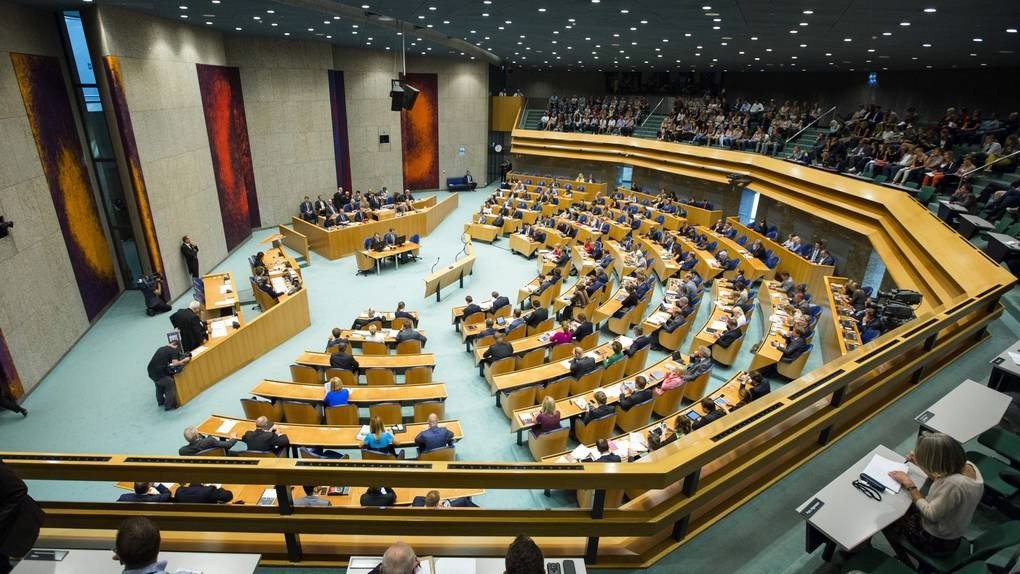
After months of political deadlock, the Netherlands’ incoming minority government has revived stalled gambling policy debates, pointing to tighter oversight while unresolved reforms from the previous cabinet remain unfinished.
The Netherlands’ new minority coalition government has outlined plans to introduce a complete ban on gambling advertising and to consider limiting the number of online gambling licenses.
The proposals are set out in a 67-page coalition agreement published on January 30, following the October general election. The coalition combines the centrist D66 party, the Christian Democrats and the right-wing VVD. No party secured a majority in the snap election, which followed the collapse of the previous government led by Dick Schoof. A new cabinet is expected to be sworn in later this month.
In the agreement, gambling is compared with sex work, with both described as legal activities vulnerable to crime and human trafficking.
“Online gambling and sex work are legal in the Netherlands, but they are also susceptible to crime and human trafficking. We want to protect vulnerable people in these sectors from profiteers,” the agreement said.
It added: “We are strengthening the duty of care of online gambling providers, cracking down on illegal gambling sites, and introducing a complete advertising ban on online gambling. We are exploring limiting the number of licenses for online gambling sites.”
The previous administration had pledged to revise online gambling regulation and publish a new Gambling Act by the end of 2025. Those plans were left incomplete after the coalition collapsed over disagreements on asylum policy.
Former State Secretary for Legal Protection Teun Struycken, whose portfolio included gambling, resigned in August alongside other cabinet members after sanctions against Israel were blocked. His departure halted work on gambling-related reforms until the new coalition agreement was released.
Michel Groothuizen, chairman of the Dutch gambling regulator Kansspelautoriteit (KSA), has previously opposed proposals such as raising the legal gambling age and a total advertising ban.
Meanwhile, gambling trade body VNLOK has warned that a full advertising ban could push activity toward unlicensed operators.
VNLOK chairman Björn Fuchs said a total ban would undermine the Netherlands’ existing gambling policy, which he described as “deliberately designed around an open, regulated market with strict requirements for duty of care, advertising and oversight.”
VNLOK cited KSA figures showing black-market revenue surpassed legal market revenue in H1 2025. Legal market gross gaming revenue reached €600 million in H1 2025, down 16% from €697 million six months earlier. The KSA said the decline was partly linked to new player protection measures, including deposit limits.
The Netherlands has already restricted gambling advertising. In July 2023, ads on television, radio and in print were banned, while online advertising rules were adjusted to prevent targeting consumers under 24. Gambling sponsorships also ended in summer 2025.
In 2026, five years after the launch of the regulated iGaming market, operators must renew their licenses. The KSA said in October that prior compliance issues would not automatically block renewal, adding it would review how operators addressed past enforcement actions.
Wazdan spotlights Jackpot Rain as progressive jackpot feature expands its global player appeal

Estonia gambling tax cut fails to deliver expected operator surge

North Carolina lifts online sportsbook tax from 18% to 23%


Entain reportedly considering sale option for CEE Venture as UK gambling tax costs mount

Fast Track partners with Meridianbet to support customer engagement across 18 markets

SafeCasino named Best New Casino at AskGamblers Awards 2026

Star names former Bally's executive Ameet Patel dual CEO of Queensland integrated resorts

Growth in iGaming is becoming more complex. So are the partnerships behind it.

Real-time rewards: Why decision quality matters more than speed


Industry leaders confirmed as ambassadors for SiGMA North America 2026 Mexico City debut



