

BGC challenges revenue claims linked to UK gambling tax changes

Higher prices and reduced payouts linked to the UK Government’s new betting and gaming tax regime could divert more consumers to unregulated operators, where no safer gambling checks or tax contributions exist, the Office for Budget Responsibility (OBR) warns.
The OBR states that around 90% of the duty increases are expected to be passed on to consumers, a trend that could make licensed products less attractive. Its projections indicate that the revised regime will reduce expected government yield by about one-third, including an estimated £500 million ($665 million) reduction by 2029–30 due to a shift in spending away from regulated gambling channels.
The Government continues to project that the measures will raise £1.1 billion ($1.463 billion). The Betting and Gaming Council (BGC), along with independent analysts including EY, has challenged that projection, pointing to the OBR data and modeling from industry partners.
“The Government’s own figures show these tax plans will cause significant damage,” said Grainne Hurst, Chief Executive of the Betting and Gaming Council. “Industry analysis based on modelling from EY finds that nearly 17,000 high-tech jobs will be lost across online betting and gaming, with over £6 billion ($7.98 billion) in stakes diverted to the black market – a 140% increase in its size.
“These proposals also threaten shop closures, further job losses and a less competitive online market, meaning lower, not higher, long-term tax revenue,” Hurst added. “They also push more customers to the black market, where there are no protections, no taxes and no safeguards.”
The BGC says the regulated sector currently contributes £6.8 billion ($9.044 billion) to the UK economy and supports more than 109,000 jobs. It also generates £4 billion ($5.32 billion) in taxes, including funding provided to racing, sport and tourism. Industry representatives say higher taxation could reduce the stability of the sector while illegal operators continue to gain ground.
The BGC is asking HM Treasury to engage further with industry stakeholders to assess potential long-term outcomes and review the tax changes before they negatively affect the regulated market.
Uplatform to showcase "iGaming supermarket" concept at iGB L!VE London 2026

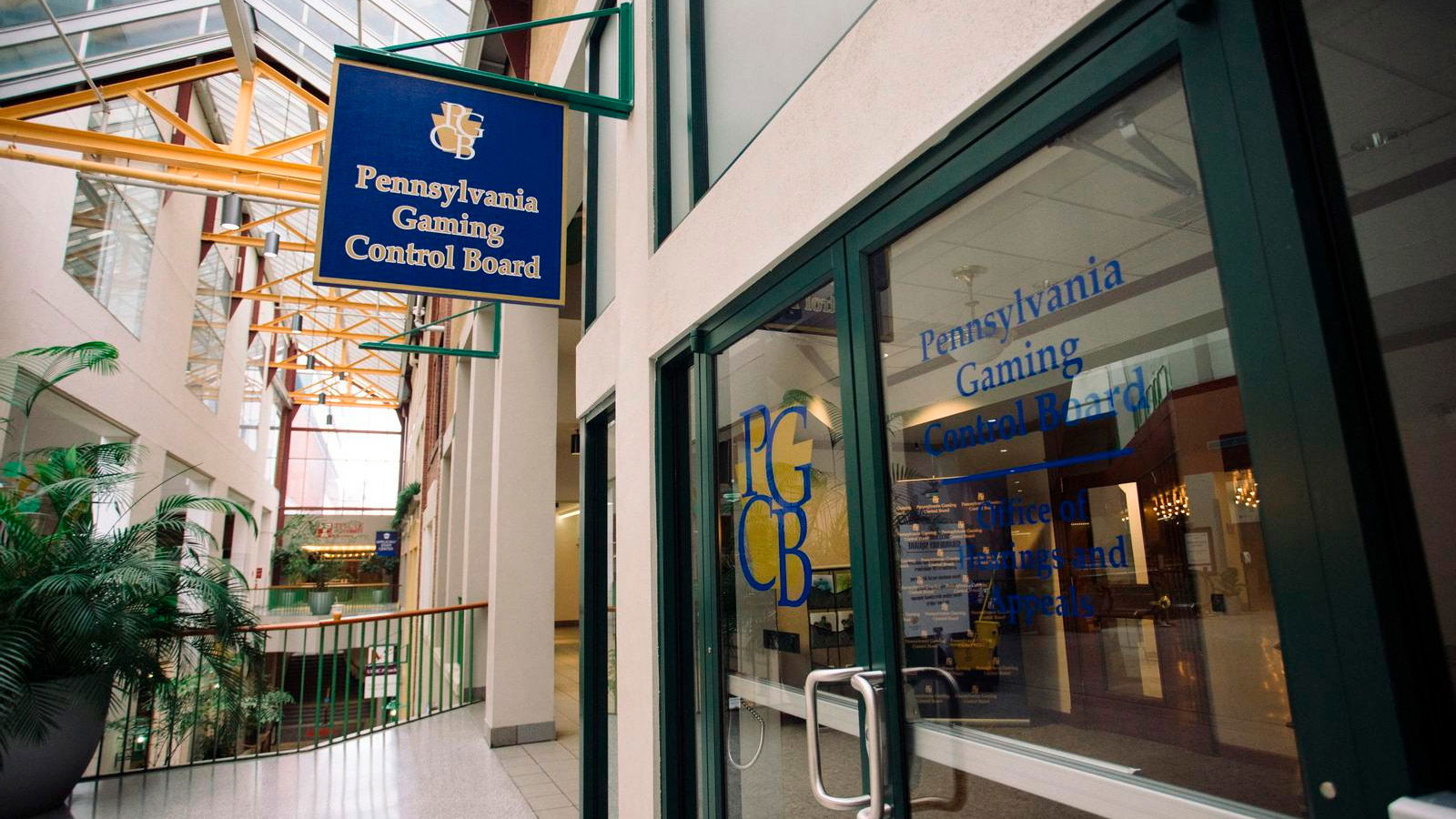
Pennsylvania Gaming Control Board bars 18 people from regulated gambling
DELULU Gaming names SOFTSWISS strategic technology partner for London soft launch dinner


Fast Track partners with Meridianbet to support customer engagement across 18 markets

SafeCasino named Best New Casino at AskGamblers Awards 2026

Digitain wins Platform Provider of the Year at SBC Awards Americas 2026

Star names former Bally's executive Ameet Patel dual CEO of Queensland integrated resorts

Real-time rewards: Why decision quality matters more than speed


Ready Play Gaming content set to go live via Nirmata Play


DELULU Gaming names SOFTSWISS strategic technology partner for London soft launch dinner
Uplatform to showcase "iGaming supermarket" concept at iGB L!VE London 2026



