

UK gambling revenue climbs as pressure mounts on chancellor ahead of budget

The UK gambling industry generated £12.6 billion ($16.63 billion) in the 12 months to March, according to new data released on Tuesday, intensifying debate over whether the sector should face higher taxes when the chancellor delivers the budget on Wednesday. The latest figure is a £1 billion ($1.32 billion) increase over the previous year, a 9.3% rise from the £11.5 billion reported in the prior cycle.
The Gambling Commission attributed much of the growth to online casino activity, where gross gambling yield rose nearly 15% to £5 billion ($6.6 billion), up from £4.4 billion ($5.81 billion) a year earlier. Online casino revenue is now 55% higher than levels recorded at the start of the 2020 pandemic, reflecting the continued shift toward digital gambling products.
The rapid expansion of online casino gaming, long viewed as one of the most addictive forms of gambling in the UK, has renewed calls from campaigners and several senior political figures for a rise in online gaming duty.
Former prime minister Gordon Brown is among those advocating for higher taxes on digital betting. Iain Duncan Smith, who chairs a cross-party group studying gambling harm, said the latest figures underscored concerns about the sector’s reliance on products linked to addiction.
“Vast and growing profits,” he said, are being generated by companies whose revenues “uniquely” come from highly addictive gaming formats. “It is abundantly clear that more addictive forms of gambling like online casinos and machines in adult gaming centres should be taxed at a higher level to pay for the many social ills that they cause," he added.
The Treasury committee has been reviewing the government’s approach to gambling taxation, including whether online operators should face steeper duties than sectors considered to have cultural value. Meg Hillier, chair of the committee, said: “We believe that addictive online betting should face higher taxes than forms of gambling with cultural benefits, such as horse racing and bingo halls."
"It’s important that the government does not cave in to … industry scaremongering [about higher gambling taxes causing job losses]. Unfortunately, the fact that we are told the existence of gambling firms is on a financial knife-edge, while they simultaneously plough billions into advertising, does not come as a surprise.”
The industry is lobbying the Treasury amid concerns that the upcoming budget could include significant increases across a range of betting-related duties. Rachael Reeves is expected to face intense pressure from both campaigners and operators as she finalises the details of Wednesday’s statement.
Major bookmakers have warned of shop closures and job losses if the budget includes substantial tax increases. The Sun has launched a campaign called Save Our Bets, amplifying industry fears.
According to the tabloid, Betfred chief executive Joanne Whittaker argued that even a small rise in machine games duty would have a “devastating impact” and reduce rather than increase tax revenues. Betfred has said it would shut all 1,287 of its high street shops if new tax measures go ahead. Evoke, parent company of William Hill, said last month it could close up to 200 outlets if duties rise.
Beyond online activity, the Gambling Commission figures show that adult gaming centres, venues offering low-stakes, high-frequency machine play, reported a 10% increase in takings, rising to £682.9 million ($901.28 million) from £623.3 million ($822.63 million).
The number of AGC venues fell slightly from 1,451 to 1,415, while total gambling premises across the country, including betting shops and casinos, dipped to 8,234 from 8,328.
AGCs have faced criticism from campaign groups that argue the venues disproportionately operate in lower-income areas and do not do enough to support customers seeking to self-exclude.
The Betting and Gaming Council said the regulator’s latest figures did not reflect recent policy changes that will affect the industry. A spokesperson noted that high street operators had reported more than 30 closures in the current quarter and highlighted new obligations, including a statutory £100 million levy for gambling harm research and treatment, as well as financial vulnerability checks introduced in February.
DELULU Gaming names SOFTSWISS strategic technology partner for London soft launch dinner

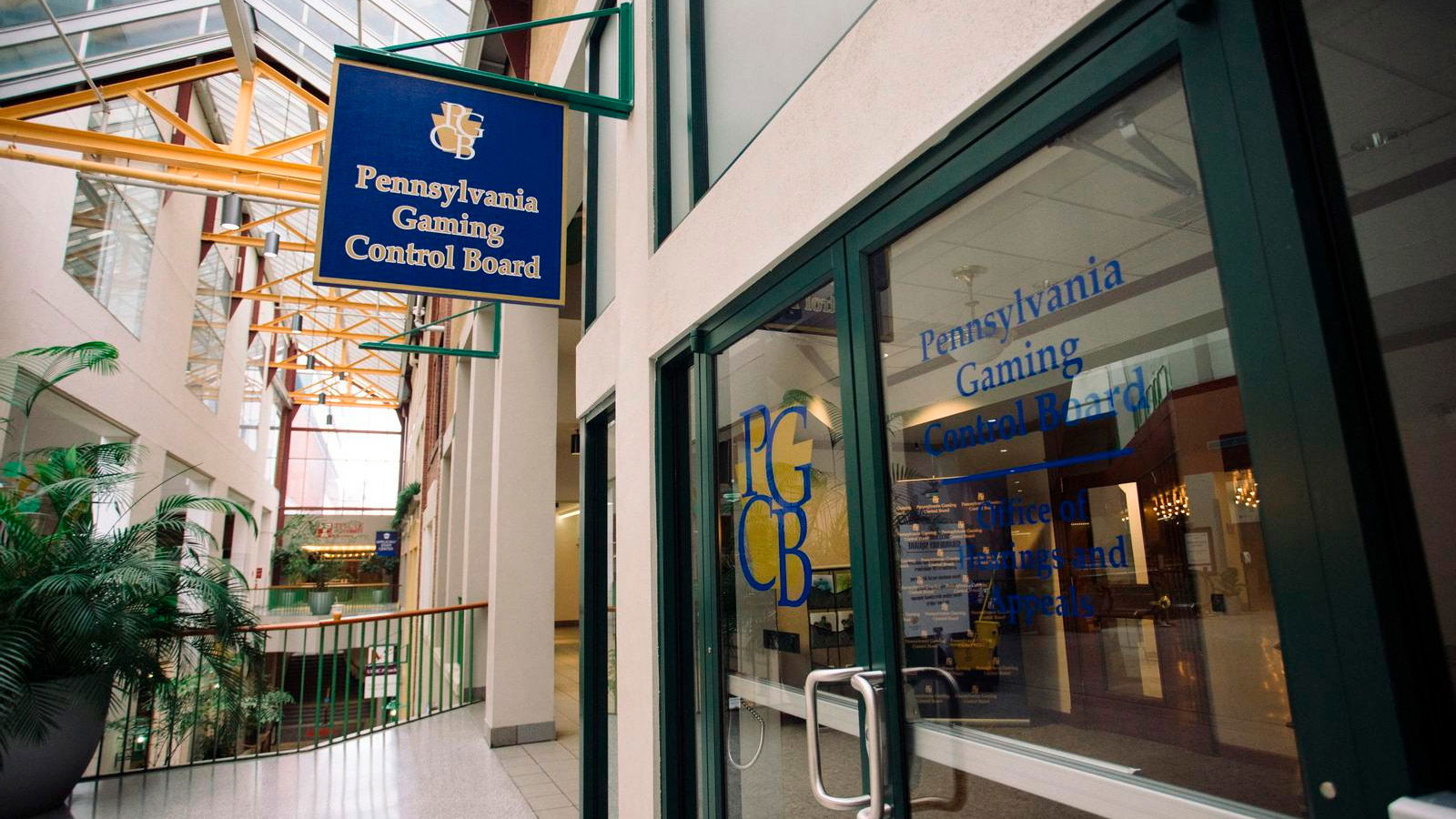
Pennsylvania Gaming Control Board bars 18 people from regulated gambling
Uplatform to showcase "iGaming supermarket" concept at iGB L!VE London 2026


Entain reportedly considering sale option for CEE Venture as UK gambling tax costs mount

Fast Track partners with Meridianbet to support customer engagement across 18 markets

SafeCasino named Best New Casino at AskGamblers Awards 2026

Star names former Bally's executive Ameet Patel dual CEO of Queensland integrated resorts

Real-time rewards: Why decision quality matters more than speed


Ready Play Gaming content set to go live via Nirmata Play


Zitro draws record operator attendance at fifth Zitro Experience Peru event

Peru Gaming Show wraps up with criticism of consumption tax and discussion of World Cup betting activity
Uplatform to showcase "iGaming supermarket" concept at iGB L!VE London 2026

