

Cyprus lawmakers debate amendments to sports betting legislation
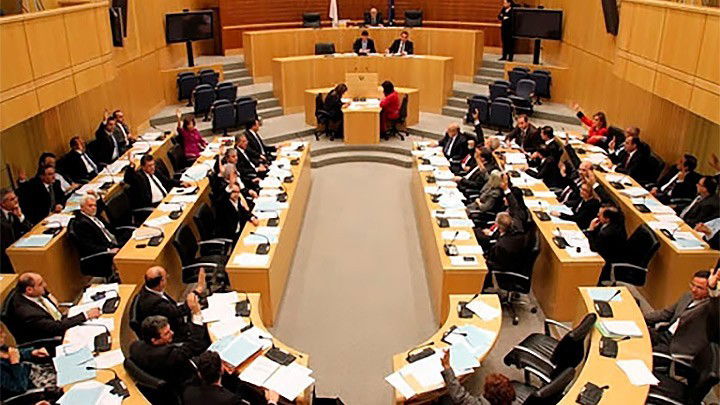
The Cyprus parliament has started to discuss a series of proposed changes to the sports wagering law after it was first brought up for debate three years ago. The professional players’ union, PASP, was also in attendance.
One of the proposed changes to the sports betting law includes the utilization of a percentage of all tax revenue generated from betting to support, educate and medically treat footballers across all levels in Cyprus, Cyprus Mail reports. Current estimates put that number at over 3,500 players. This estimate includes professionals, amateurs, and children.
More specifically, the amendment proposes that 0.3 percent of all income stemming from sports betting is funneled into PASP programs. These programs include helping football players’ mental health, something which unfortunately has come back to the surface after Miljan Mrdaković’s suicide on May 22 this year.
PASP’s programs also support the Red Button initiative, which aims to immediately detect fixed matches, as well as providing education and support to PASP members through college scholarships, specialized training, and more.
These programs are beneficial to the entirety of Cypriot football, including players themselves, clubs, the Cyprus Football Association and all other bodies involved in the sport.
“We salute this proposal put forth at the House of Representatives which has finally triggered a discussion after a period of three years. We are certain that the relevant officials will decide what’s best for the common good of Cypriot sports”, said PASP executive president Spyros Neofytides.
In terms of mental health, according to a study from Vincent Gouttebarge and Gino Kerkhoffs from the University of Amsterdam, professional footballers have a prevalence for various common mental disorders, including adverse alcohol use, anxiety, depression, and distress.
The study also includes findings related to the effect of injuries, especially injuries which prevent them from playing for a sustained period of time. These injuries have been found to increase the likelihood of a professional football player reporting symptoms related to their mental health, especially when contrasted with colleagues who have not suffered such injuries.

Galaxsys to launch swipe-based instant game Instawin this month

Flutter to delist from London on 3rd August as NYSE remains main trading venue


Win Systems appoints Ana Aniceto to lead Country Manager & Sales in Peru

Comtrade Gaming partners with 7bet for Latvia, Estonia and Finland expansion

1spin4win launches charity initiative 'United for Impact' to support children's healthcare in Kenya
Flutter to delist from London on 3rd August as NYSE remains main trading venue

Ready Play Gaming content set to go live via Nirmata Play


Pidiots and the future of slot engagement: Why Slotmatic is building the intelligence layer behind the next generation of slots


Boomerang Partners launches second stage of Golden Boomerang Awards 2026

Day 1 of SBC Summit Americas spotlights prediction markets, AI and industry challenges

BetMGM, Kaizen Gaming and Sportradar lead winners at SBC Awards Americas 2026


