

Idaho bill targets tribal gaming machines
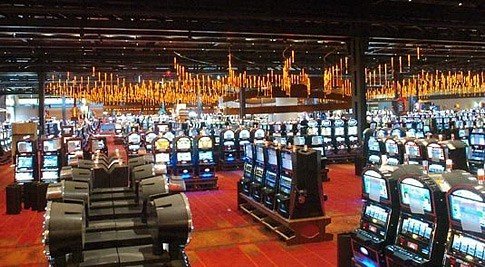
Introduced by House State Affairs Chairman Tom Loertscher, R-Bone, the alteration would add a clause banning slot machines or anything that looks or acts like one.
“It wouldn’t ban all of (the machines), but it would affect (the tribes) so that they couldn’t have slot machines,” Loertscher said. “The Indian Gaming Regulatory Act says they can do whatever the state is doing.”
The new legislation doesn’t put the restriction in place, according to Loertscher, but rather aligns the law with the Idaho Constitution, which currently prohibits slot machines across the state.
The Shoshone-Bannock Tribes are preparing a statement for release sometime in the next few days.
House Assistant Majority Leader Brent Crane, R-Nampa, said the issue has been to court twice, and both times the court ruled in favor of the tribes, according to the Spokesman-Review.
““It’s an old fight — there’s old wounds, Crane said, adding, I’m not sure you’re going to fix this issue in the Idaho Legislature
”
Idaho’s Indian tribes won the right to have casinos on their reservations when the state authorized a state lottery. Federal law states that sovereign tribes can offer Class III gaming if anyone else in a state also can. That meant the tribes could offer their video gaming machines, which under federal law are the legal equivalent of the state lottery. Negotiated compacts with the state govern the tribes’ gaming activities.
Rep. Randy Armstrong, R-Pocatello, who serves also serves on the State Affairs Committee, said it’s Loertscher’s goal to take all the gaming machines out of tribal casinos statewide.
“And this would be devastating to their economic situation in all of them from Coeur d’Alene down,” he said.
Loertscher said the legislation would bring all gaming in Idaho under the same umbrella.
Furthermore, Armstrong said a document floating around the statehouse shows a picture of a billboard advertisement on the interstate just outside Ogden that reads, “200 new slots in Fort Hall.”
“They advertise them as slot machines so I’d take their word for it that they are,” Loertscher said. “There are a lot of gaming machines that apparently don’t qualify as slot machines because they aren’t a random number generating. But these machines that the tribes have are the same equipment you find in Las Vegas and all over Nevada.”
Under both state law requirements and their gaming compacts, tribes donate millions in gaming proceeds to Idaho schools and also tap that revenue source to fund their tribal government operations on their reservations. Idaho’s five Indian tribes employ thousands and are among the top 10 employers in the state.
Wisconsin governor begins tribal talks to advance online sports betting rollout

Nevada casino net income falls 34.8% following 81.2% drop on Las Vegas Strip
Liga MX names Polymarket its exclusive prediction market partner for the US


Flutter to delist from London on 3rd August as NYSE remains main trading venue

Win Systems appoints Ana Aniceto to lead Country Manager & Sales in Peru

1spin4win launches charity initiative 'United for Impact' to support children's healthcare in Kenya

Comtrade Gaming partners with 7bet for Latvia, Estonia and Finland expansion

Ready Play Gaming content set to go live via Nirmata Play


Pidiots and the future of slot engagement: Why Slotmatic is building the intelligence layer behind the next generation of slots


Day 1 of SBC Summit Americas spotlights prediction markets, AI and industry challenges

Boomerang Partners launches second stage of Golden Boomerang Awards 2026

BetMGM, Kaizen Gaming and Sportradar lead winners at SBC Awards Americas 2026


