

Millions in casino-related taxes lost for New Jersey due to Atlantic City shutdowns
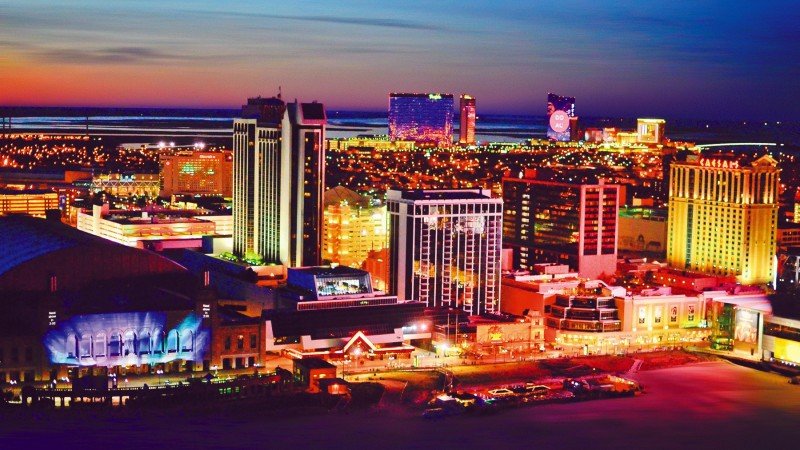
Based on collections from March 2019 reported by the New Jersey Division of Gaming Enforcement — excluding online gaming, internet sports wagering and state sales taxes — an estimated $738,261 in casino-related taxes and fees has been lost each day the gambling parlors have been shuttered.
If the city’s nine casinos remain closed as the calendar creeps toward the industry’s peak months of June and July, the amount of lost taxes and fees per day could come close to $1 million, experts said.
The state Division of Gaming Enforcement's estimate includes all land-based gaming revenue taxes, luxury taxes, parking fees, hotel room fees, tourism promotion fees, the progressive slot tax and expired vouchers, the Press of Atlantic City reports.
Last week, the state Department of the Treasury revised its annual revenue projections and estimates in response to the economic impacts of actions taken in relation to the new coronavirus.
“The impact of COVID-19 on the state, its economy, and budget and finances is unpredictable and rapidly changing, but the state believes that events surrounding COVID-19 will negatively impact the state’s economy and financial condition,” the bondholder statement from state Treasurer Elizabeth Muoio read.
The reduction in casino-related taxes because of the ordered closings was specifically referenced by the state.
Mayor Marty Small Sr. said the daily tax and fee numbers, particularly during a crisis situation such as the current one, should be a “wake-up call.” Small, who has been outspoken about the lack of casino-related taxes and fees that go directly to Atlantic City and suggested placing funds in an account dedicated for property tax relief, said if the city had been collecting even a portion of that revenue, “life would be different.”
“I know a lot of people are worrying about the casinos and other businesses — which, don’t get me wrong is extremely important, worrying about they’re going to survive — but what about the retired school teacher, Miss Jones, who’s living on a fixed income? What about the residents in Atlantic City who are going to struggle to pay their taxes?” Small said.
Since the reallocation of casino-related taxes and fees can only be done through an act of the state Legislature, Small called on Trenton lawmakers to “really take a hard look” at that daily figure.
“If they really care about Atlantic City, they would really do something to revisit all prior legislation regarding fees and taxes in Atlantic City,” he said.
A five-year monthly average of casino-related taxes and fees from 2015 to 2019 — a period that would include seven casinos and no sports betting for 3½ years — averages out to roughly $612,000 per day, said Rummy Pandit, executive director of the Lloyd D. Levenson Institute of Gaming, Hospitality & Tourism.
But the lost tax and fee revenue during the indefinite casino shutdown is only part of the story, Pandit said. Even when the casinos reopen, gaming, hospitality and tourism consumers may have less disposable income to spend in Atlantic City for some time, he said, meaning the state’s revenue projections may continue to fall short.
“So it’s compounded every which way,” Pandit said.
The silver lining, if there is one, is that Murphy permitted online gaming in New Jersey to continue during the casino closing. Online gaming is taxed at a higher rate (15%) than retail casino (8%).
Gaming revenue taxes, whether from brick-and-mortar or online, are placed in the Casino Revenue Fund for programs that assist seniors and the disabled. The state-collected money from gaming revenue is, by far, the largest portion of all casino-related taxes and fees.
Liga MX names Polymarket its exclusive prediction market partner for the US

Wisconsin governor begins tribal talks to advance online sports betting rollout

Zitro’s FANTASY Cabinet debuts at Bingo Moreno in Argentina


1spin4win launches charity initiative 'United for Impact' to support children's healthcare in Kenya

Comtrade Gaming partners with 7bet for Latvia, Estonia and Finland expansion

Flutter to delist from London on 3rd August as NYSE remains main trading venue

Win Systems appoints Ana Aniceto to lead Country Manager & Sales in Peru

Ready Play Gaming content set to go live via Nirmata Play


Hub Affiliations awarded at Le Fonti Awards 2026 as Excellence of the Year for Innovation & Leadership in iGaming


BetMGM, Kaizen Gaming and Sportradar lead winners at SBC Awards Americas 2026

Day 1 of SBC Summit Americas spotlights prediction markets, AI and industry challenges

Boomerang Partners launches second stage of Golden Boomerang Awards 2026


