

Las Vegas casino executives urge Congress to restore full gambling loss tax deduction
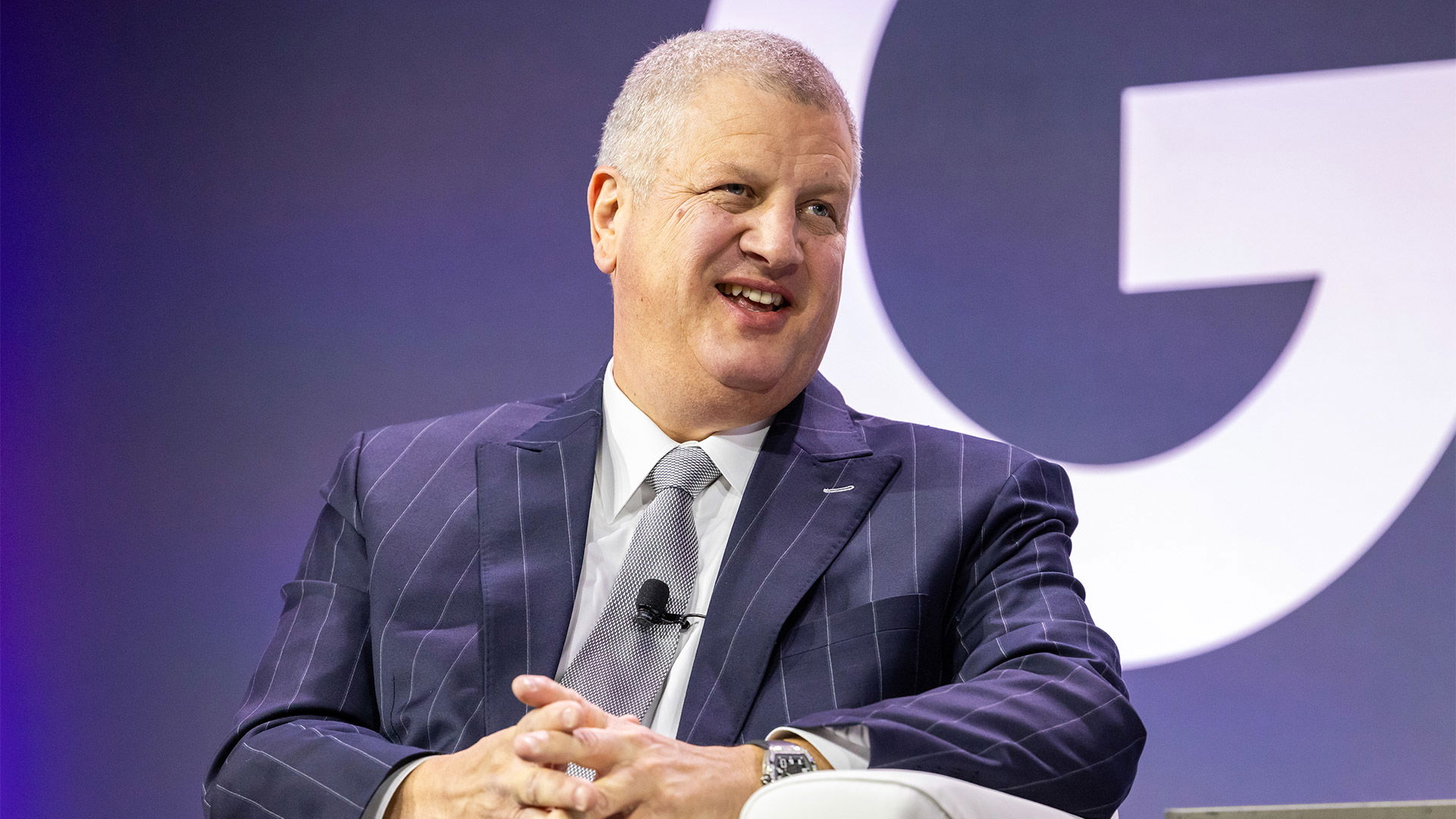
A group of senior Las Vegas casino executives is pressing U.S. lawmakers to restore the federal tax deduction for gambling losses to 100%, warning that a planned reduction could hurt tourism, gaming activity, and related jobs.
Under the One Big Beautiful Bill Act (OBBBA), the amount gamblers can deduct against their winnings will be cut to 90% from 100% starting January 1, 2026. Industry leaders say the provision was inadvertently included during the legislative process and are seeking bipartisan support to reverse it.
“This was an inadvertent element of the One Big Beautiful Bill. Government has a lot of difficult things to deal with, but this should not be one of them,” said Derek Stevens, owner of Circa, Golden Gate, and The D in downtown Las Vegas.
Stevens said he recently met with U.S. Representative Jason Smith, a Republican from Missouri who chairs the House Ways and Means Committee, alongside MGM Resorts CEO Bill Hornbuckle, Caesars Entertainment CEO Tom Reeg, Wynn Resorts CEO Craig Billings, and American Gaming Association (AGA) President Bill Miller. The group urged Smith to support legislation restoring full deductibility.
Representative Dina Titus, a Democrat from Nevada, has introduced the FAIR Bet Act, which would return the deduction to 100%. The bill has 21 co-sponsors, including 13 Democrats and eight Republicans. In the Senate, Democrats Catherine Cortez Masto of Nevada and Republican Ted Cruz of Texas have co-sponsored the FULL HOUSE Act with the same aim.
Stevens said Smith encouraged industry leaders to press constituents to contact their lawmakers in support of the measures.
Casino executives and lobbyists argue that the reduced deduction would force gamblers to pay taxes on “phantom” or unrealized income, disproportionately affecting professional gamblers, high-stakes players, and jackpot winners. Stevens said the uncertainty is already affecting travel and wagering decisions.
“It’s scary to think that we’re already being impacted by groups not booking because they’re afraid of dealing with this issue,” he said. “This is clearly going to impact tourism here and throughout the country, and that’s why I’m trying to make a push.”
The American Gaming Association said it supports restoring full deductibility, alongside operators including MGM, Caesars and Wynn, as well as DraftKings, FanDuel, the Nevada Resort Association, and the National Thoroughbred Racing Association.
“The AGA remains committed to working with Congress and the administration to restore 100 percent deductibility, a longstanding policy ensuring fair and consistent tax treatment,” said Chris Cylke, the association’s senior vice president of government relations.
An MGM Resorts spokesperson said the company “strongly supports a solution to this issue,” calling it a matter of fairness affecting employees, customers and the state of Nevada.
Titus has warned that the change could drive players to offshore and unregulated markets. “While the change may appear minor, it will have significant and harmful consequences,” she wrote in a letter urging Smith to schedule a committee hearing before the holiday recess.
With the end-of-year legislative calendar tightening, industry officials say the chances of restoring the deduction before 2026 are diminishing. However, they note that Congress could make any change retroactive to Jan. 1, 2026.
The gambling provision emerged during Senate budget reconciliation talks, and no lawmaker has publicly taken responsibility for its inclusion. President Donald Trump signed the OBBBA into law this summer.
Asked this week about eliminating federal taxes on gambling winnings, Trump said: “No tax on gambling? I don’t know about that. I’m going to have to think about that.”
U.S. lawmaker proposes ban on House members using prediction markets

Kentucky Attorney General sues Kalshi, Polymarket, and VGW over alleged illegal gambling

Pennsylvania gaming revenue hits record $625.5 million in May

Entain reportedly considering sale option for CEE Venture as UK gambling tax costs mount

SafeCasino named Best New Casino at AskGamblers Awards 2026

Fast Track partners with Meridianbet to support customer engagement across 18 markets

Star names former Bally's executive Ameet Patel dual CEO of Queensland integrated resorts

Real-time rewards: Why decision quality matters more than speed


Ready Play Gaming content set to go live via Nirmata Play


Peru Gaming Show wraps up with criticism of consumption tax and discussion of World Cup betting activity

Zitro draws record operator attendance at fifth Zitro Experience Peru event



