

Aria and Luxor resolve EEOC religious discrimination cases over COVID-19 vaccine policies
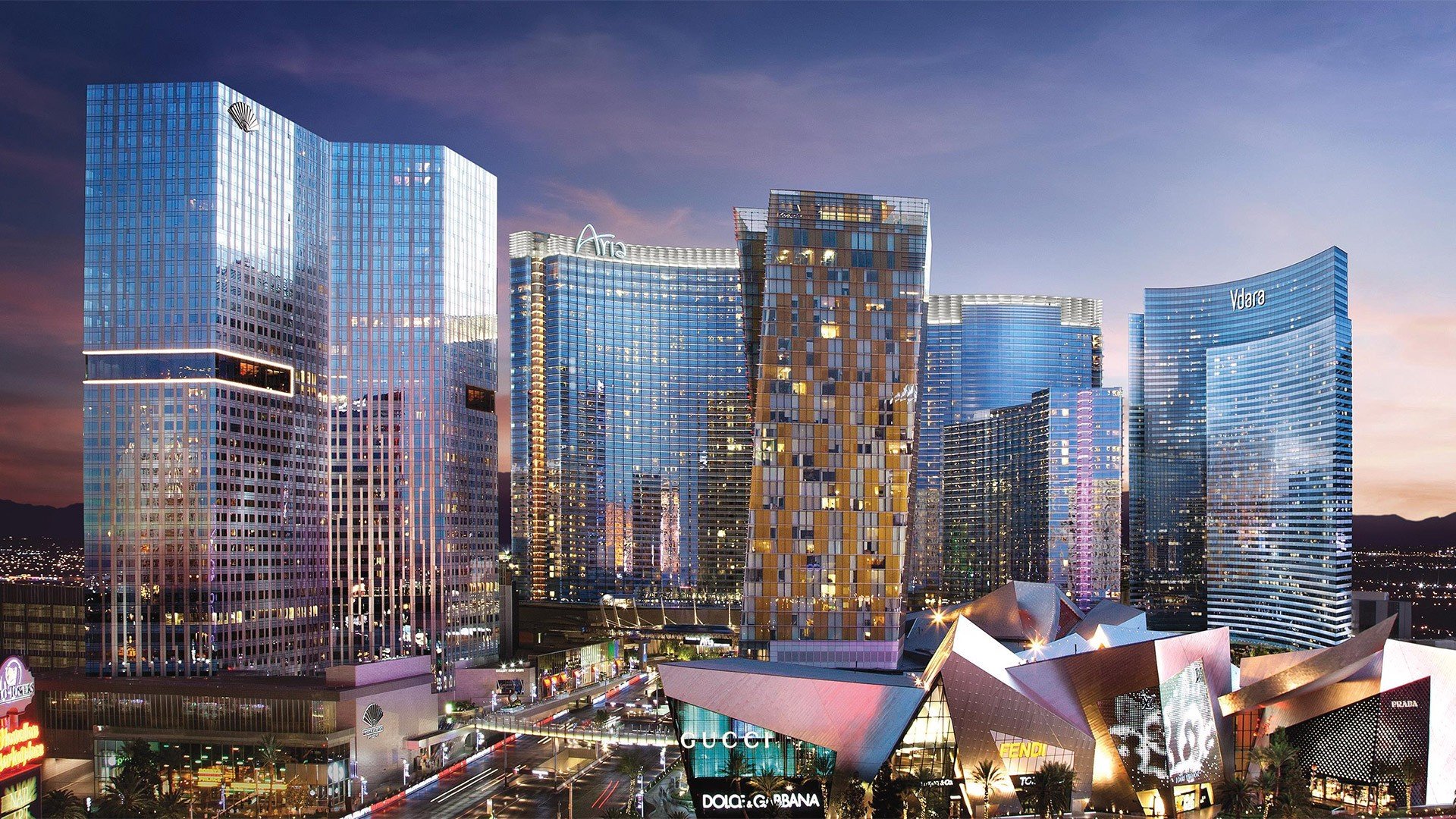
Two major Las Vegas Strip properties, Aria Resort and Casino and Luxor Resort and Casino, have settled cases with the U.S. Equal Employment Opportunity Commission (EEOC) after federal investigators found reasonable cause to believe the resorts violated civil rights laws by denying religious accommodations related to COVID-19 vaccine mandates.
According to a statement from the EEOC on Thursday, the charges alleged that employees at both resorts were denied accommodations for their religious beliefs in connection with company vaccine policies. Following an investigation, the EEOC determined that there was reasonable cause to believe the policies at the two properties violated Title VII of the Civil Rights Act of 1964.
The EEOC said the matter was resolved through conciliation agreements, with Aria and Luxor agreeing to take corrective steps without admitting liability. While the financial terms of the agreements were not disclosed, the properties committed to implementing training for human resources staff focusing on religious accommodation requirements under Title VII.
“We commend both the Aria and the Luxor for putting in place training measures that will have a lasting impact on workers seeking religious accommodations in the workplace,” said Michael Mendoza, director of the EEOC’s Las Vegas local office.
Luxor Resort and Casino

“It is important that all employers understand that federal law requires reasonable religious accommodations, unless such an accommodation would pose an undue hardship that is substantial in the overall context of the employer’s business.”
The EEOC said it will monitor compliance with the agreements to ensure that the policies are being carried out. Both resorts are operated by MGM Resorts International but licensed separately.
The agreements come shortly after another Strip property, The Venetian, settled a religious discrimination lawsuit filed by the EEOC earlier last month. In that case, The Venetian agreed to pay $850,000 and make policy changes after allegations that it failed to accommodate employees’ religious beliefs under its COVID-19 vaccine mandate.
WSOP opens first permanent retail store on Las Vegas Strip

IGA leaders slam CFTC prediction market proposal as threat to tribal sovereignty

World Cup weighs on Macau casino revenue as June gaming pace slows, Citigroup says

California's Jamul Casino Resort brings in Marcus Lucero as Vice President of Casino Operations
BetMGM's Brazilian venture moves to acquire Bingão do Brasil in market expansion push

Soft2Bet wins SBC award for Industry Innovation of the Year in North America

Flutter to delist from London on 3rd August as NYSE remains main trading venue


N1 Partners named finalist in three categories at G Gate Awards 2026

BGaming sets July date for second TRUE WAYS online conference

BetMGM, Kaizen Gaming and Sportradar lead winners at SBC Awards Americas 2026


