

New Jersey losing USD 540 M a month from casino closure

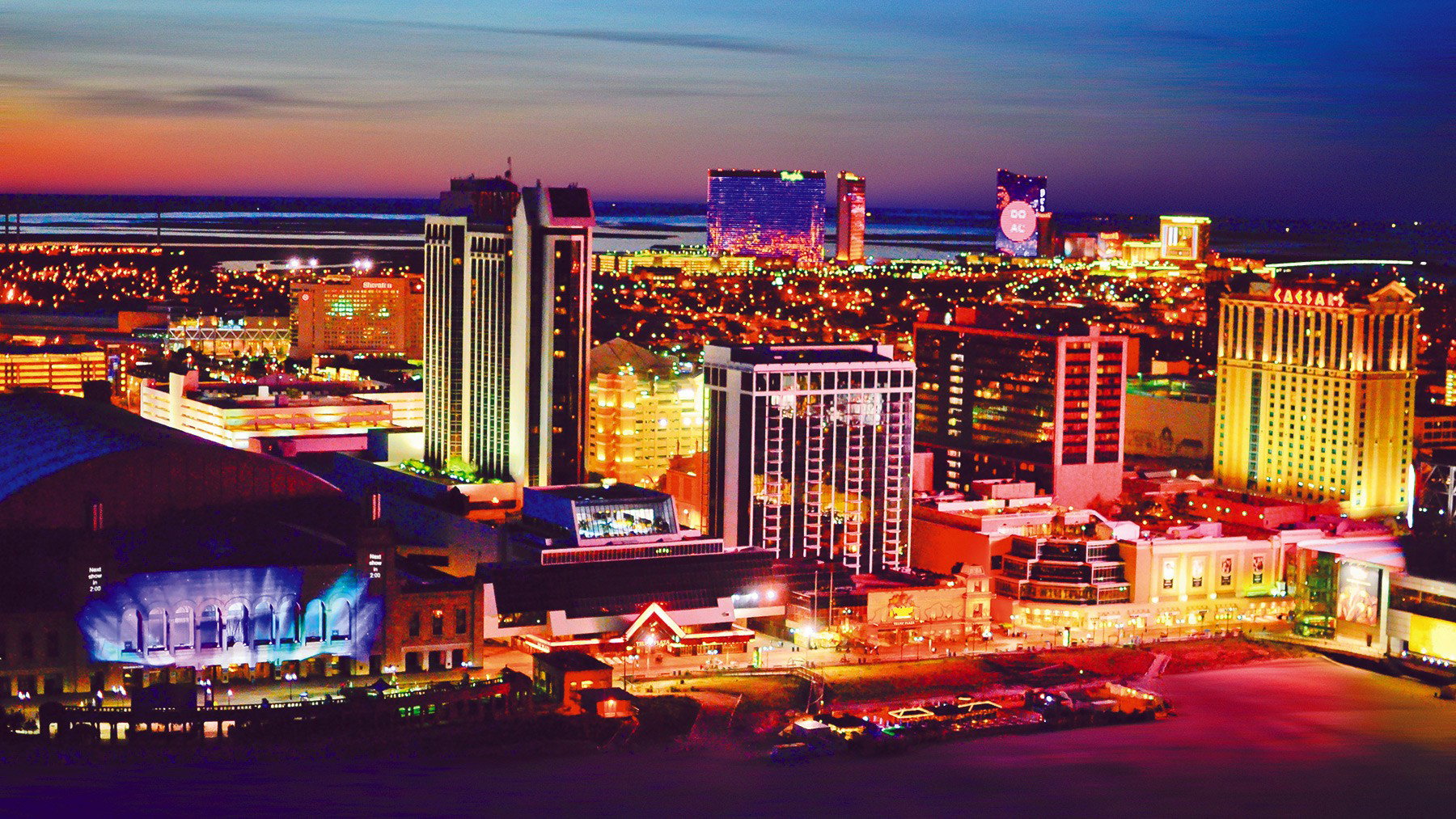
According to data released by the American Gaming Association (AGA) Atlantic City is now virtually costing New Jersey $540 million in casino revenues every month while they remain locked down amid the coronavirus pandemic.
"We haven’t seen it play out yet, but if you look at the economic numbers that are going to start coming out in the coming weeks, this portends to be a worse economic downturn than we even saw in the great recession," Clyde Barrow, a professor at University of Texas Rio Grande Valley and an expert on the casino industry, told The NY Post.
Meanwhile, more than 26,000 workers are out of a job, part of a ripple effect that is putting a massive dent in Atlantic City’s $2.9 billion-a-year casino industry, experts and officials say.
"It will be the biggest blow to the casino industry that we’ve seen in a lifetime," Barrow added.
In a statement Sunday, Casey Clark, vice president of strategic communications for AGA, said he remained hopeful that the casino business would rebound as it did after the recession, calling the industry “incredibly resilient.”
"Right now, we’re focused on working with the federal government so that all corners of the industry — from gaming hubs like Las Vegas and Atlantic City to regional and tribal gaming properties, suppliers and the small businesses that depend on us — have the ability to weather this unprecedented public health crisis," the statement said.
Nonetheless, the nation’s casinos estimate that they will lose more than $43 billion in revenue over the next two months before the COVID-19 crisis dissipates and the economy begins to try to return to normal, according to a report in The Hill last month.
New Jersey Gov. Phil Murphy ordered all nine of Atlantic City’s casinos to close March 16, just the fifth time the gambling houses had been shut in the 42-year history of legalized gambling in New Jersey, according to a report in the Philadelphia Inquirer.
The last time was for Hurricane Sandy in 2012, when the casinos closed for three days, the report said.
This time, the casinos will remain closed indefinitely, leaving the boardwalk empty and local businesses gambling on their future.
According to the New Jersey Division of Gaming Enforcement, Atlantic City casinos had 26,450 full-and part-time workers when they closed, with the Borgota the largest employer with 5,562 employees.
Barrow said it’s a safe bet the pandemic will put some of the casinos out of business for good.
"That means some casinos won’t survive," he said. "Some may go into bankruptcy, as happened back in 2006 and 2010" during the recession.
"There will be some losers, and there will be some winners," he said.
Hard Rock Bet rolls out Matthew Broderick-led campaign for sportsbook and casino

Nevada casino net income falls 34.8% following 81.2% drop on Las Vegas Strip
Zitro’s FANTASY Cabinet debuts at Bingo Moreno in Argentina


Comtrade Gaming partners with 7bet for Latvia, Estonia and Finland expansion

Win Systems appoints Ana Aniceto to lead Country Manager & Sales in Peru

Flutter to delist from London on 3rd August as NYSE remains main trading venue

1spin4win launches charity initiative 'United for Impact' to support children's healthcare in Kenya

Ready Play Gaming content set to go live via Nirmata Play


Hub Affiliations awarded at Le Fonti Awards 2026 as Excellence of the Year for Innovation & Leadership in iGaming


BetMGM, Kaizen Gaming and Sportradar lead winners at SBC Awards Americas 2026

Boomerang Partners launches second stage of Golden Boomerang Awards 2026



