

Philippines government to study economic impact of banning online gaming
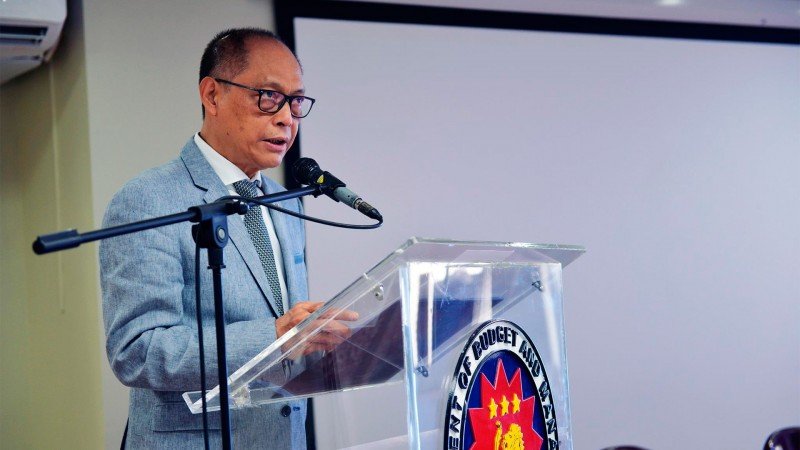
The Philippines’ anti-money laundering body is studying the scope of the country’s online gambling industry to determine the impact on the economy if it stopped operating, its chairman said on Tuesday.
Benjamin Diokno, who is governor of Bangko Sentral ng Pilipinas (BSP) and head of the Anti-Money Laundering Council, has ordered the agency and the central bank’s financial stability team to “put some sense to this online gambling,” Reuters reported.
“I already asked the AMLC team plus our financial stability team as to the impact of for example discontinuing the Pogo (Philippine offshore gaming operators) in the Philippines," Diokno told an economic forum organized by the Economic Journalists Association of the Philippines on Tuesday. “It’s a study for the guidance of the Monetary Board and AMLC. (It is) not necessarily (for money laundering), but you know the impact for real estate for example. What if all of a sudden they decide to pack up and leave? What will be the impact of that on the property sector, also the food industry, the restaurants? This is part of my job as BSP governor.”
Online gambling companies, known as Philippine offshore gambling operators (Pogos), are a boon for the local economy, drawing many visitors from China who work in them, fuelling property demand and retail spending. The Pogos, which bar Filipinos from playing, contribute to national coffers through license fees. Pogos employ at least 130,000 Chinese nationals, according to the Phil Star.
The industry is opaque and its scale hard to measure. Officially, there are 60 Pogos, but critics say that hugely understates the number. China has urged the Philippines to ban online gaming to support its crackdown on cross-border gambling, which it said foreign criminals had used to embezzle and launder funds as well as illegally recruit workers.
When Diokno was asked if he thinks online gambling firms were being used as money laundering conduits, he replied “not necessarily.” According to Diokno, the Department of Finance headed by Secretary Carlos Dominguez III is looking at the issue’s tax component while the BSP is concerned with the financial stability issue. Citing a study on tax evasion by Pogos, Diokno said authorities are concentrating on real estate risks and their impact on the food industry.
The Philippine gaming regulator, Pagcor, has stopped issuing licenses to online gambling firms, and lawmakers and some ministers have called for tighter controls on Chinese visitors, saying many are illegal workers whose presence raises security concerns. Pagcor chair and CEO Andrea Domingo said law enforcers would be stationed at the planned Pogo hubs to provide protection against any threats to Chinese workers within these complexes.
Economic Planning Secretary Ernesto Pernia told Tuesday’s forum the government should probably regulate where Pogos set up shop because there is “over-building of offices and condominiums” in and around the capital. Megaworld Corp., the largest Philippine office landlord, recently said China’s ban on Manila-based online casinos servicing gamblers in the mainland will have no impact on its home sales and office leasing business.
iGaming industry faces dual pressures of regulation and expansion, according to NyesteCasino.com report

Spindex launches platform aggregating live crypto casino data across games and operators

Uplatform's new case study: How growth should be measured


Soft2Bet wins SBC award for Industry Innovation of the Year in North America

California's Jamul Casino Resort brings in Marcus Lucero as Vice President of Casino Operations
BetMGM's Brazilian venture moves to acquire Bingão do Brasil in market expansion push

Flutter to delist from London on 3rd August as NYSE remains main trading venue


BGaming sets July date for second TRUE WAYS online conference

N1 Partners named finalist in three categories at G Gate Awards 2026

Boomerang Partners launches second stage of Golden Boomerang Awards 2026


