

Japan advances casino resort bill but further delays are expected
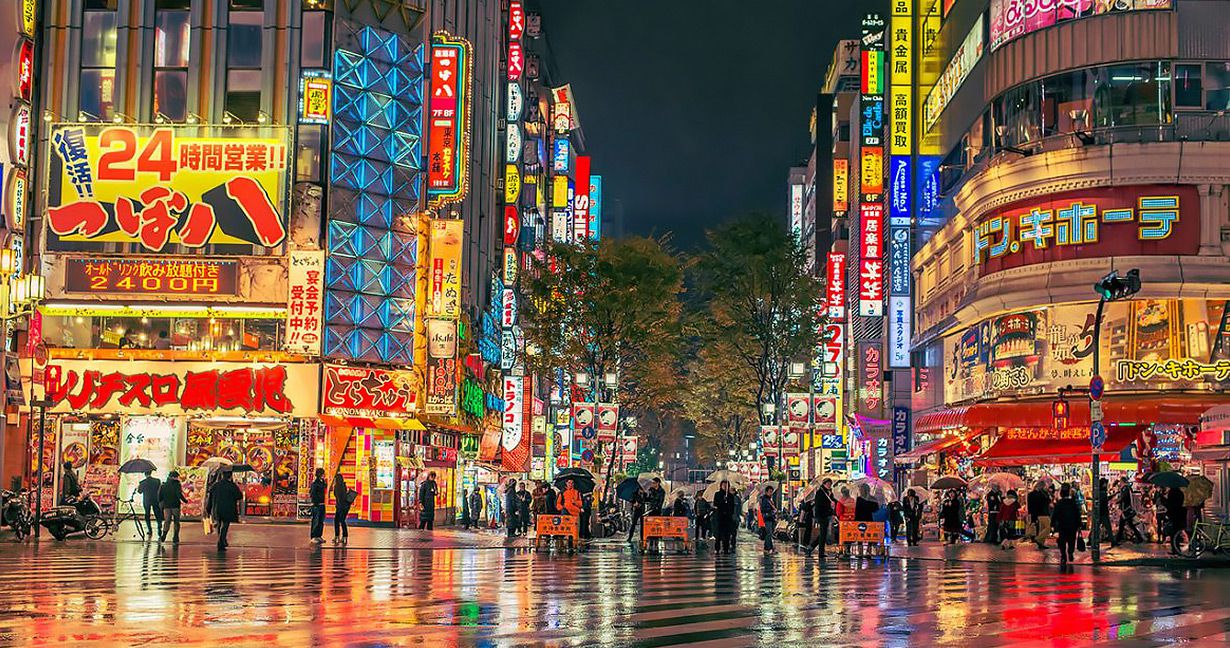
Japan still faces a tough task in passing the law in the current session of parliament, which runs to June 20, political sources said, potentially further delaying the opening of the first resorts. But despite the potential delays, U.S. and Macau-based casino operators competing for the first licenses into the untapped casino market told Reuters they were largely satisfied with the coalition deal.
“They are heading in the right direction, and we remain highly enthusiastic about the Japan opportunity,” said William Shen, managing director of Korea and Japan at Caesars Entertainment Corp.
The last major greenfields opportunity in Asia was Singapore more than a decade ago and has generated significant revenues for the two casino operators there.
Just two Japanese casinos could bring in more than $10 billion in annual revenue, analysts have forecast. That potential market has sparked intense interest from U.S.-based Las Vegas Sands Corp, MGM Resorts International and a host of other firms.
In the biggest win for casino operators, casino floor space in Japan will be capped at 3 percent of the total area of the resorts - large-scale projects hosting casinos, retail and conference space. An absolute upper limit of 15,000-square-metres had been floated by the junior Komeito party.
Casino executives last year lobbied against an absolute limit, arguing it would force them to lower their investments and neuter the economic impact of the resorts.
The coalition also opted for a flat tax rate of 30 percent on casino revenue instead of a sliding tax scale, which was seen as negative for larger operators.
However, a packed legislative agenda means the bill may not pass until the autumn session of parliament, political sources said.
“We’d have to extend the session for it to pass this time,” said one source, declining to be named given their proximity to the legislation. “Without doing so, it will be very difficult.”
Prime Minister Shinzo Abe, battling a suspected cronyism scandal, is seen as unlikely to push for an extension on legislation that remains unpopular with the public, analysts said.
THREE LOCATIONS
Japan will limit the initial number of casinos to three sites - lower than the five or six suggested by the LDP.
Osaka is seen as the frontrunner among major cities, which have attracted most attention from global operators.
Sites in Hokkaido in Japan’s north and Kyushu in the south are the leading hinterland candidates. The locations will be chosen in late 2019 at the earliest, industry insiders said.
“It’s appearing more likely that we just have one major urban resort, likely Osaka,” said Jay Defibaugh, an analyst at CLSA. “The early market might not be what we have envisioned.”
Residents of Japan will have to pay 6,000 yen ($56) to enter the casinos, lower than that suggested by the Komeito party. Foreign tourists will be able to enter for free.
Stiff entrance fees were planned to placate domestic opposition to casinos, centered on fears of a rise in gambling addiction. A poll by Kyodo news agency last month found 65 percent of Japanese opposed and only 26 percent in favor of casinos.
Operators have opposed entrance fees, with some saying privately that even a 6,000 yen fee will impact their business.
“The biggest challenge is the entrance fee,” an executive at a major operator said on the condition of anonymity. “People who aren’t crazy about gambling will become hesitant to go.”
Everi deploys Vi mobile gaming platform at Kansas' Prairie Band Casino & Resort


IGT brings Wheel of Fortune Cash on Reels slots to Mohegan Sun on RISE55 cabinet


Bally’s Intralot reaches $326 million deal to acquire William Hill and 888 owner Evoke

ReferOn lands two EGR B2B Awards 2026 shortlist nominations

Allwyn AG names Khalid Reede Jones as CEO of North America unit

FIRST.bet wins Sports Betting Supplier cateogyr at EGR B2B Awards


Pidiots and the future of slot engagement: Why Slotmatic is building the intelligence layer behind the next generation of slots

Hub Affiliations awarded at Le Fonti Awards 2026 as Excellence of the Year for Innovation & Leadership in iGaming

Plinko, lottery, online casino: how Europe searches for iGaming


NOVOMATIC draws industry interest with product portfolio at Belgrade Future Gaming 2026



