

West Virginia introduces sports betting legislation

As reported by Metro News, this past weekend, a sports betting bill was passed into law without the signature of West Virginia's Governor Jim Justice.
Governor Justice stated he hoped to move toward a greater partnership with major league sports franchises, and the National Basketball Association quickly followed up Justice’s statement Friday night by thanking him for a special session on the matter. One complication is the governor had not publicly specified a special session.
At the center of the continued public conversation is something the nation’s professional sports teams have wanted in every state considering the expansion of sports wagering — a one percent ‘integrity fee’. These fees would tax the total amount of bets taken at a one-percent rate, with the money going toward each league subject to sports wagering. That’s not the same as the revenue —how much sportsbooks hold from the total amount wagered.
Usually the revenue — what remains after payouts to winners — is about 5 percent of the handle. So an integrity fee of one percent of the handle might actually come in at about 20 percent of the handle for sportsbook operators.
Whether to opt in on an integrity fee is a decision other states have been facing, too, while many look toward a U.S. Supreme Court decision that could allow sports betting to expand to states that don’t have it now.
States so far have adopted a variety of approaches to that issue:
New York, the largest state to introduce sports betting legislation, may allow an integrity fee of one-quarter of one percent. Connecticut has notably resisted the integrity fee. Pennsylvania‘s passed legislation did not include integrity fees.
The deepest summary of what decisions states are facing is likely a white paper produced by the Massachusetts Gaming Commission.
That paper issues caution for states considering the integrity fees. Boiled down, it says the market may not allow embracing the fees:
“Simply stated, anything that reduces the limited profitability of sports betting will impact the odds and products that legal sports betting operators will offer. If the betting options are not attractive to bettors, there will be little incentive for bettors to leave the illegal market. “Therefore, a careful impact analysis should be conducted when considering the appropriate level of fees, taxes and other requirements that would have a direct impact on profitability.”
West Virginia already plans to take a share: It will charge $100,000 licensing fees to the state’s casinos and the state's bill would set a 10 percent tax on adjusted gross receipts.
Governor Justice, in his announcement that he’d let the gaming bill pass without his signature, cited potential but unspecified conflicts in the legislation and a desire to establish a closer relationship with professional sports leagues who lobbied for changes to the bill.
“After the U.S. Supreme Court issues its decision on sports wagering, to address any provisions of the legislation that might be in conflict, I will ask the Legislature to look at the advantages of partnering with the major sports leagues,” Justice stated in a Friday evening news release.
“I believe there could be real value to this partnership. I expect the Supreme Court to rule on this issue in the next few months. This approach will allow us to develop a relationship with all the major sports leagues so that it is beneficial to everyone.”
Although Justice’s comments did not specifically mention a possible special session, the NBA’s did.
“We appreciate the Governor’s commitment to call a special session to add necessary and critical safeguards to the law,” Bass stated. “We will work with all relevant parties on amendments that will protect consumers and the integrity of sports.”
The registered lobbyist for both the MLB and NBA in West Virginia, Larry Puccio, was the leader of Governor Justice’s transition team.
Puccio is also a lobbyist for The Greenbrier Resort, owned by Justice’s family.
West Virginia legislators who were involved with the sports betting bill during the regular session reacted coolly to continued calls for an integrity fee or to a special session.
“The integrity fee is essentially West Virginia money being sent out of West Virginia for these billionaire leagues for this so-called fee that they tax on a handle,” said Delegate Shawn Fluharty, D-Ohio, who advocated for the state to consider the opportunities of sports wagering way before the session began.
“As a result of that, essentially you could have many months where West Virginia would not even see revenue but yet we’d still send money to Major League Baseball, to the NBA, to the NFL to enforce this so-called integrity fee. It’s a complete joke on the basic premise.”
Once a major league team is established in West Virginia, then maybe state officials would have an incentive to talk, Fluharty suggested.
Senate Majority Leader Ryan Ferns, R-Ohio, offered a similar reaction. Ferns was skeptical of the integrity fee and of a special session to discuss it.
“I don’t think it’s realistic to say we will have a special session to make those changes,” Ferns said. “When major league sports proposed those changes to both houses of the Legislature, both House and Senate, it’s my understanding that it was pretty universally rejected.
“So to have a special session on a topic that there’s almost no support in either house for — and, quite frankly, this was a bipartisan piece of legislation I don’t think it makes good sense to call a special session with there being no support.”
Rhode Island to launch second online sports betting option as Bally’s wins license
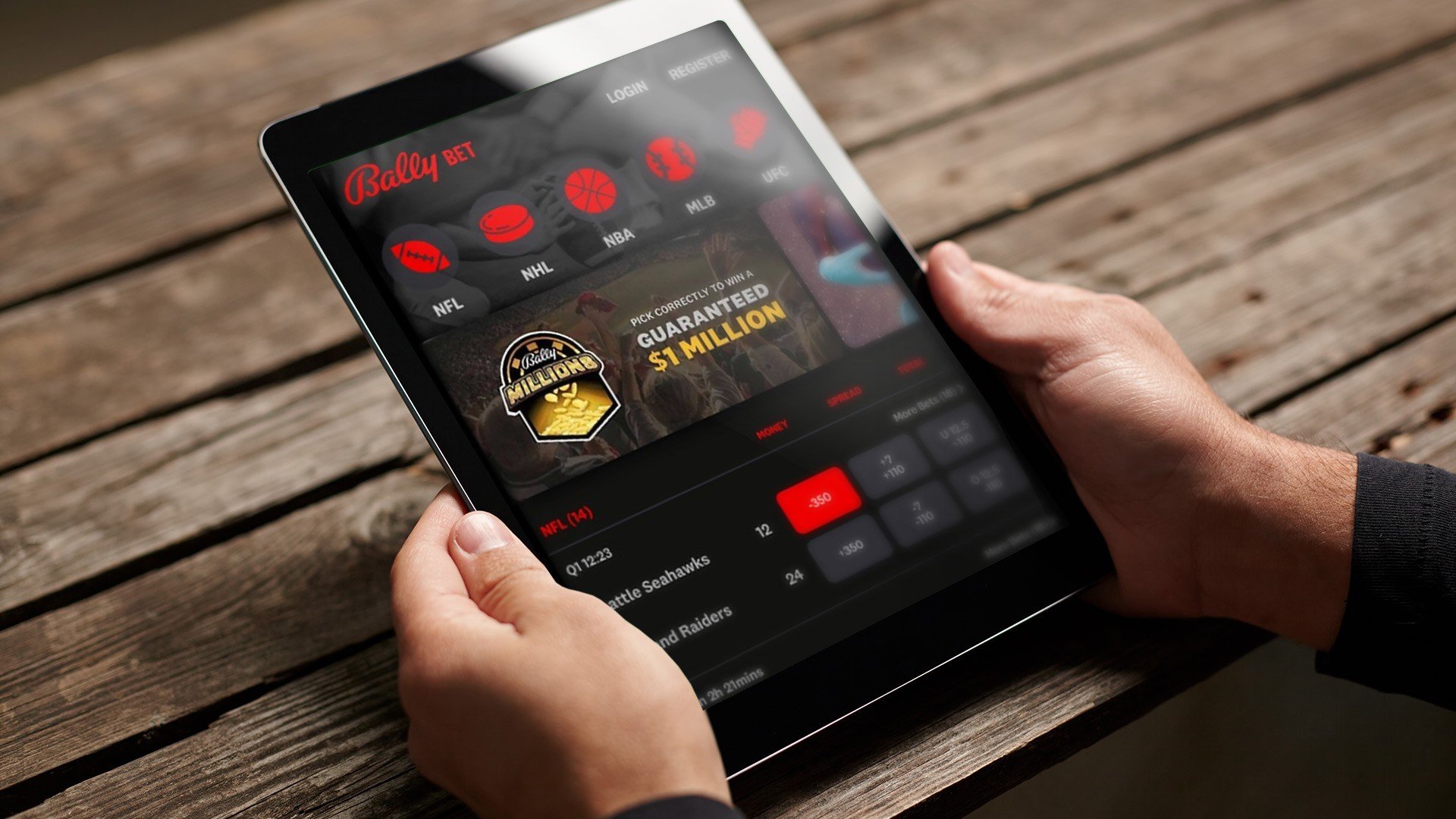
New York bill seeks to block online sports bets from college campuses

Timeless Tech: Why tournament leaderboards are becoming harder to sustain globally


Yolo Investments launches $250 million Fund III in Abu Dhabi

Infingame adds InOut Games portfolio to global aggregation platform

Scaling without losing control: a RedCore expert's view on automation

GR8_TECH's Bet It Drives wins Bronze at 18th Annual Shorty Awards for branded podcast

Pidiots and the future of slot engagement: Why Slotmatic is building the intelligence layer behind the next generation of slots

Hub Affiliations awarded at Le Fonti Awards 2026 as Excellence of the Year for Innovation & Leadership in iGaming

Plinko, lottery, online casino: how Europe searches for iGaming

The data stack isn't ready. Your competitors aren't waiting


22Bet crowned Best Sports Betting Operator at AffPapa iGaming Awards 2026

Casino Guru names 2026 winners across iGaming responsibility, transparency and leadership categories

Casino Guru won Casino Affiliate of the Year at the AffPapa iGaming Awards 2026 in Madrid


