

California tribe signs “landmark agreement” to expand Capay Valley property
The agreement replaces one enacted in 2002 that was the first of its kind between a county and a tribe, one County Counsel Phil Pogledich on Tuesday called “a landmark agreement.”
“I still get calls from other counties asking, ‘How was Yolo County able to negotiate a package like this that so comprehensively addresses impacts associated with a casino?’
“This is not normal relationship around the state,” Pogledich said.
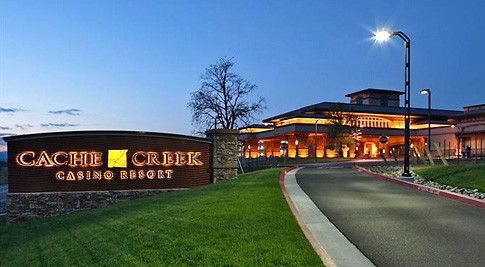
The agreement approved Tuesday by the Board of Supervisors extends the contract for another 22 years and includes enhancements for impacts created by the tribe’s planned expansion of the hotel at the Cache Creek Casino Resort in the Capay Valley.
Mitigation provided by the tribe will cover public safety, roads, public transit and more, while also bolstering the county’s general fund to the tune of more than $6 million a year.
Specifically, the agreement calls for the tribe to provide the following:
* A $1.5 million one-time payment to the county for the hotel expansion project;
* Funding for at least two additional sheriff’s deputies — as well as vehicles — to patrol the Capay Valley (a cost of $300,000 per year plus vehicle costs) as well as $20,000 paid annually to the California Highway Patrol;
* $6.16 million to be paid annually to the county (with a 2.53-percent cost escalator built in);
* $50,000 annually to local fire districts;
* $300,000 annually to the Capay Valley community for projects and programs;
* Up to $5 million in road improvements on Highway 16; and
* Funding for enhanced public transit, including the option of funding additional Yolo County Transportation District bus trips to the casino (on top of the $1.5 million the tribe already pays annually).
The agreement takes effect immediately, with hotel construction expected to begin in the next few weeks.
Pogledich told county supervisors the new agreement “is just as momentous as the 2002 intergovernmental agreement” and added that the tribe “went above and beyond any legal obligations it has.”
“I think this is much more momentous than the 2002 event,” said Supervisor Don Saylor of Davis, who called the new contract “a creative, long-standing agreement that will shape the relationship between the tribe and county government and the people we serve for years to come.”
Supervisor Jim Provenza of Davis also praised the agreement, saying, “It really does represent a true partnership. On both sides we have certainty going forward.”
Tribal leaders praised the agreement as well.
“We are very pleased and excited about the agreement because it will provide valuable resources focused specifically on important programs and concerns in the county and valley we share as our home,” said Yocha Dehe Tribal Chairman Leland Kinter.
“This shows how much we can achieve by working together, government-to-government, as partners,” Kinter added.
Kinter said the expansion at the Cache Creek Casino Resort, which is in Brooks off of Highway 16, will generate hundreds of construction and permanent jobs and will serve “as an important entertainment asset as our region grows as a tourist destination.”
The tribal chairman previously said the expansion would include up to 459 hotel rooms as well as a pool, restaurant, additional meeting space and a ballroom, all within the existing footprint of the resort, using part of the south parking lot.
“With this extra capacity, we will finally be able to welcome more overnight guests, saving them trips on the road,” Kinter has said. “We also look forward to offering more rooms and amenities for our neighbors and other local visitors, including those coming to our region as an agritourism destination.”
Of Tuesday’s agreement, Kinter said, “It is great to be starting with such a strong, cooperative agreement with the county, focused on delivering important benefits to the local community as well.
“Everyone wins under our new agreement.”
The agreement will remain in effect for 22 years with an optional five-year extension at the tribe’s discretion. The 2002 agreement was set to expire in 2020.
Hard Rock Bet rolls out Matthew Broderick-led campaign for sportsbook and casino

Wisconsin governor begins tribal talks to advance online sports betting rollout

Nevada casino net income falls 34.8% following 81.2% drop on Las Vegas Strip


Win Systems appoints Ana Aniceto to lead Country Manager & Sales in Peru

1spin4win launches charity initiative 'United for Impact' to support children's healthcare in Kenya

Flutter to delist from London on 3rd August as NYSE remains main trading venue

Comtrade Gaming partners with 7bet for Latvia, Estonia and Finland expansion

Ready Play Gaming content set to go live via Nirmata Play


Pidiots and the future of slot engagement: Why Slotmatic is building the intelligence layer behind the next generation of slots


Boomerang Partners launches second stage of Golden Boomerang Awards 2026

BetMGM, Kaizen Gaming and Sportradar lead winners at SBC Awards Americas 2026



