

Japan casinos off the table despite favorable cards
Domestically, Japan is again on the brink of a recession, amid a quarter century of economic stagnation. Regionally, the timing for casinos in Japan may never be better. IR fever appears to have faded in South Korea, which would be a major competitor to Japan for markets in northern China and the rest of Asia. In Taiwan, last month’s victory of the Democratic Progressive Party, an opponent of deepening ties to mainland China that Beijing views suspiciously for its support of the island’s independence, seems to derail another nearby potential Japan rival; Beijing previously declared it wouldn’t allow Chinese citizens to enter Taiwan to gamble and is now less likely to reverse itself. Declining in VIP play in Macau and rising Chinese middle class tourism – with Japan a favored destination – makes Japan’s domestic market and regional destination potential all the more attractive. But within Japan the stalemate remains, despite the boost IRs would bring to an economy that shrank 1.4% in the fourth quarter of last year.
““Legalizing gaming is not a major issue domestically, and there are more pressing matters currently facing the government,Spectrum Asia CEO Paul Bromberg says.
”
“It would appear that Japan has missed the boat when it comes to casino gaming,” Spectrum Asia CEO Paul Bromberg says. “Other political and economic issues have taken precedence. Legalizing gaming is not a major issue domestically, and there are more pressing matters currently facing the government.”
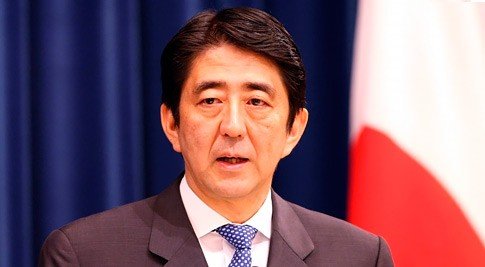
As casinos in Japan have receded from a virtual inevitability toward their longstanding place as a vivid but remote vision of sugar plums dancing the heads of casino operators over the past two years, Japan’s domestic politics and more pressing government priorities have torpedoed Prime Minister Shinzo Abe’s integrated resorts ambitions. LDP’s Buddhist based governing partner Komeito remains opposed to casinos, making legislative passage difficult.
This Diet session also has the shadow of upper house elections in midyear hanging over it. CLSA Japan analyst Jay Defibaugh says the casino issue remains a political “hot potato” that no party wants to touch ahead of voting. LDP says the IR bill could be introduced in an extraordinary session of the Diet likely in the fall, and Defibaugh says it’s unlikely but possible that LDP could win enough seats to pass it without Komeito’s votes. But Japan’s casino tale is full of good things that could happen, but don’t. IR legislation will be a private member bill, and government agencies’ bills always have precedence, Defibaugh explains. For example, in 2014, when IR bill passage seemed inevitable, Japan’s nation security agency’s needs took priority. The resulting delay let the intricate political coalitions favoring the bill unravel, and prospects have dwindled since.
“This fluid legislation status is disappointing to every stakeholder in Japan,” Deloitte Touche Tohmatsu’s Tsubasa Nishi says. He notes that local governments are moving ahead; DTT is working with Yokohama on its preparations to be considered as an IR site, but there’s they can only go so far without action at the national level.
Integrated resorts in Japan are likely to follow the Singapore model, with capital investment of up to US$10 billion, non-gaming attractions such as museums and an entry fee for domestic players. A survey last year by communications giant Dentsu found the more Tokyo residents learn about IRs, their economic benefits and range of facilities, the more accepting they are of them. Earlier surveys have shown similar results, indicating that a public education campaign could make casino legalization less of an electoral hot potato, perhaps even create a constituency for IRs. But casino supporters in and out of government haven’t acted on these findings.
Zitro’s FANTASY Cabinet debuts at Bingo Moreno in Argentina

Nevada casino net income falls 34.8% following 81.2% drop on Las Vegas Strip

Terrible's reaches deal to operate Primm casino properties following closure notice


Comtrade Gaming partners with 7bet for Latvia, Estonia and Finland expansion

Flutter to delist from London on 3rd August as NYSE remains main trading venue

1spin4win launches charity initiative 'United for Impact' to support children's healthcare in Kenya

Win Systems appoints Ana Aniceto to lead Country Manager & Sales in Peru

Ready Play Gaming content set to go live via Nirmata Play


Hub Affiliations awarded at Le Fonti Awards 2026 as Excellence of the Year for Innovation & Leadership in iGaming


Boomerang Partners launches second stage of Golden Boomerang Awards 2026

Day 1 of SBC Summit Americas spotlights prediction markets, AI and industry challenges



