

German’s JAXX calls for improvements in State Treaty on gaming

JAXX welcomes the resolution by the Prime Ministers only to initiate the ratification process for the State Treaty by the federal states' parliaments if the EU Commission's opinion is positive.
“The regulation has not been thought through. It is a political compromise that is not fit for purpose and is grossly out of step with other European countries,' remarked Mathias Dahms, Management Board spokesman of JAXX SE. 'We doubt whether these conditions will encourage a sufficient number of companies in Germany to apply for licences for the market to be regulated effectively. Most players will continue to operate from abroad, bolstering the grey or black market. Only operators which have shops might survive amid the conditions proposed. We will have to await further developments.”
JAXX SE therefore repeats its call to the state government in Schleswig-Holstein to hold fast to its chosen course. At the same time JAXX calls upon the other states to make improvements to ensure that Germany, too, finally achieves an EU-conform, legally viable set of regulations on gaming.
Over the past few days leading experts in constitutional and European law, including Professors Papier and Engelhart, have repeatedly pointed out that there are serious legal flaws in the 15-state treaty signed today compared with the legislation that Schleswig-Holstein has already passed. The legal experts agree that if the State Treaty takes effect in mid-2012 in its current form, as planned, it will very soon fail in court. The states already saw this happen with the current 'State Treaty on gaming', which was rejected by the ECJ in 2010.
The aspects criticised include the high tax rate of 5 percent on betting stakes, the limit of 20 licences, unworkable limits on betting stakes and the inconsistent rules applied to various different types of gaming, extending as far as a total ban on online casino and poker.
The subsidiaries of JAXX SE have therefore declared logically that they will definitely operate from Schleswig-Holstein in 2012 and apply for all the necessary licences there. 'We want to obtain licences in Germany and we want to pay taxes here,' declared Mathias Dahms. 'But the conditions have to stand up to comparison with other locations in Europe, otherwise they won't work. The states will then have no scope for protecting licensees in Germany.'
The federal states will have to overcome a number of hurdles before the State Treaty signed today can pass into law. The federal Racing Betting and Lottery Law and the federal gaming regulations for slot machine games will need to be amended. The EU Commission, too, will have to state its position on the current draft State Treaty.
The accounting firm PricewaterhouseCoopers (PwC) has moreover produced a study that reveals that the main objective of the regulation - to combat the grey and black market - cannot be achieved through the provisions of the 15-state treaty. The PwC study, based on an analysis of the various fiscal regulatory approaches in Europe, concludes that only moderate taxation of gross profit before additional costs is capable of bringing sports betting providers back into the fold of legality.
New York bill seeks to block online sports bets from college campuses

Bally’s Intralot signs new lottery technology contract with Hellenic Lotteries in Greece

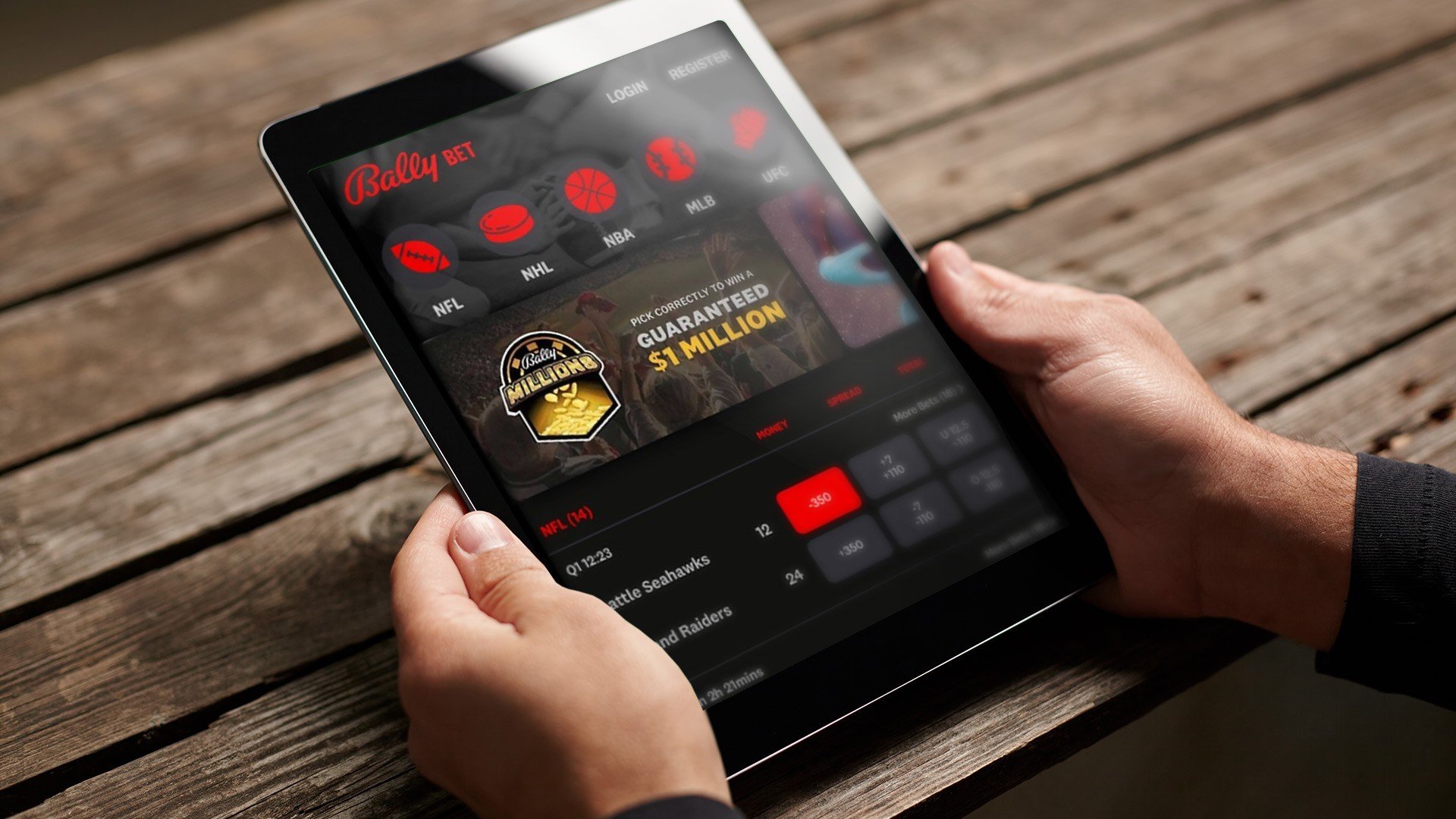
Rhode Island to launch second online sports betting option as Bally’s wins license

Infingame adds InOut Games portfolio to global aggregation platform

Yolo Investments launches $250 million Fund III in Abu Dhabi

Scaling without losing control: a RedCore expert's view on automation

GR8_TECH's Bet It Drives wins Bronze at 18th Annual Shorty Awards for branded podcast

Pidiots and the future of slot engagement: Why Slotmatic is building the intelligence layer behind the next generation of slots

Hub Affiliations awarded at Le Fonti Awards 2026 as Excellence of the Year for Innovation & Leadership in iGaming

Plinko, lottery, online casino: how Europe searches for iGaming

Smart Bash 2026: Where serious bettors meet real market insight


22Bet crowned Best Sports Betting Operator at AffPapa iGaming Awards 2026

Casino Guru names 2026 winners across iGaming responsibility, transparency and leadership categories

EGT Digital brings TNT Jack debut and full iGaming portfolio to SiGMA Asia 2026