

AGA will push new federal online poker bill next autumn

The bill would favour Nevada and New Jersey as licensing and regulatory authorities in a future US egaming market. The AGA-backed poker-only bill would also differ from the Barton draft on how resulting tax revenues would be split between federal and state level. “Taxes would be divided between the states where the bettor is, with the state where the regulator is. The federal government would only receive the income tax on winnings,” said Fahrenkopf.
Fahrenkopf said the AGA was “hopeful that after the summer break, a bill will be introduced” which would provide the following: “Number one, it would give oversight to the Congress department of the United States but they would delegate the licensing and regulatory authority to those states that have the longest history in gaming regulation, that have the law enforcement on staff and the financial wherewithal to do tough regulation. Probably, that only means Nevada and New Jersey.”
Second, added Fahrenkopf, in contrast to earlier bills such as that introduced last year by Barney Frank – re-introduced in March this year by Congressman John Campbell – states would have to opt in to any regulatory regime emerging from the AGA-backed poker-only bill. “States would not automatically be included as states where you can gamble online with online poker. State legislators and governors would have to take affirmative action to say, we want our people to game.”
Third, said Fahrenkopf: “[T]here would be delineation between those companies that got out of the market with UIGEA’s passage, and those that did not. I don’t know exactly what that would be, but assume there would be a ‘penalty box’”. Fahrenkopf said his understanding was that if a company had stayed in the US post-UIGEA, they would be barred from any federal licensing process for a minimum of two years.
According to egrmagazine.com, another stark contrast between Barton’s bill and what the AGA is set on pursuing is in regards to whether states are automatically opted into offering online poker, unless expressly stated otherwise. Fahrenkopf and the AGA say that state officials have to confirm that online poker is OK for their respective state.
Shortly after the introduction of Barton’s bill in late June, the AGA released a statement stating its support for the licensing and regulation of online poker in the U.S., but not explicitly for the Texan’s idea for online poker regulation. The AGA said that although it “has not endorsed any specific legislation on this issue, we are pleased that Rep. Barton wants to protect American consumers and understands the need for regulating online poker in our country.”
The AGA’s president and CEO said that a disagreement among US land-based casino groups over this issue is what caused the Reid/Kyl lame duck bill to fail. “Because of some deals that were made at the last minute by Full Tilt and PokerStars, primarily with Station Casinos and Wynn, the industry was split, and [this bill] didn’t go anywhere.
“Sheldon Adelson -Las Vegas Sands chairman and CEO- was personally offended by the fact there would not be a ‘penalty box’ by some. He called leaders in both houses, as did Steve Wynn at the time. That was before Steve had his epiphany with regard to internet gaming. A very substantial epiphany that he had."
Fahrenkopf was also dismissive of attempts by individual states or jurisdictions to establish their own gambling regimes as currently provided for under UIGEA, questioning the ability of Iowa and the District of Columbia to build sufficient poker liquidity.
He said of the District’s egaming legislation passed in April, now under review: “It’s even harder to believe the Congress of the United States would let that [online gaming] happen. The city council is now upset with the way that it was done. I don’t anticipate that is really going to go anywhere.
Hard Rock Bet rolls out Matthew Broderick-led campaign for sportsbook and casino

Wisconsin governor begins tribal talks to advance online sports betting rollout

Day 1 of SBC Summit Americas spotlights prediction markets, AI and industry challenges


Flutter to delist from London on 3rd August as NYSE remains main trading venue

Win Systems appoints Ana Aniceto to lead Country Manager & Sales in Peru

WagerWire receives Gibraltar approval in principle for prediction markets push
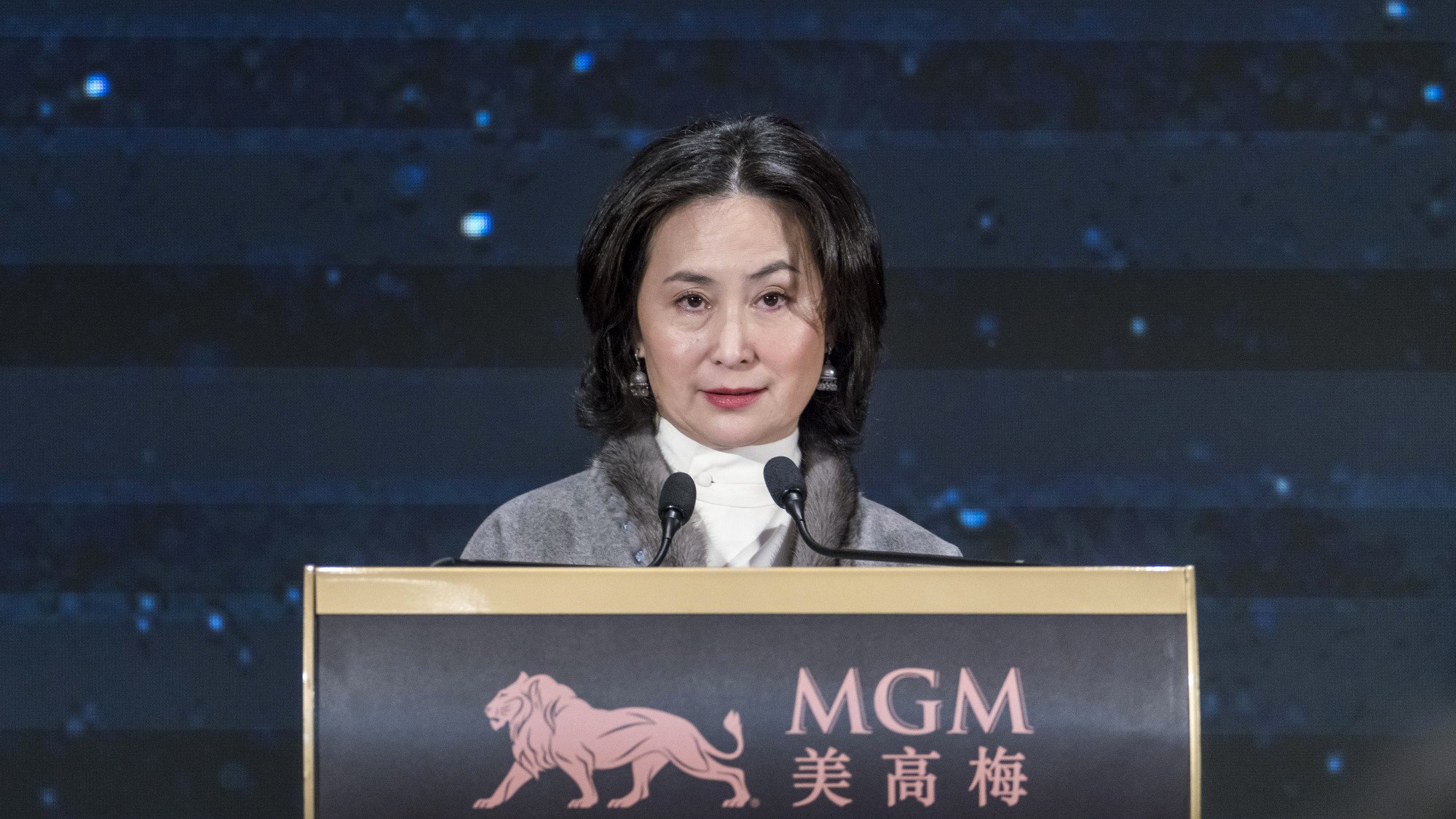
MGM China shares fall after Pansy Ho sells entire MGM Resorts stake

Ready Play Gaming content set to go live via Nirmata Play


Hub Affiliations awarded at Le Fonti Awards 2026 as Excellence of the Year for Innovation & Leadership in iGaming


Boomerang Partners launches second stage of Golden Boomerang Awards 2026
Day 1 of SBC Summit Americas spotlights prediction markets, AI and industry challenges

BetMGM, Kaizen Gaming and Sportradar lead winners at SBC Awards Americas 2026


